
Israel on Edge: Tensions Flare After Temple Mount Clashes
Introduction
The air in Jerusalem is thick. Not with humidity, though there’s plenty of that too, but with tension. Following the recent clashes at the Temple Mount/Haram al-Sharif during the last days of Ramadan, a palpable sense of unease has settled over Israel. While these sorts of incidents, sadly, aren’t entirely new, the intensity and timing of this particular flare-up have sent ripples of anxiety through the region, raising concerns about both the immediate and long-term consequences.
So, what happened? And, more importantly, where do we go from here?
A Powder Keg Ignited: What Triggered the Latest Unrest?
This recent escalation, as with many in this volatile region, is complex and multi-layered. It all started towards the end of Ramadan, a period already heightened with religious significance for Muslims. The presence of a large number of Palestinian worshippers at the Temple Mount/Haram al-Sharif, coupled with rising nationalist rhetoric on both sides, created a tinderbox. Israeli police actions, perceived by some as heavy-handed, further fueled the flames. Rocks and fireworks were reportedly hurled at officers, who responded with riot control measures.
The immediate aftermath saw injuries on both sides, condemnations from international bodies, and a surge in online rhetoric. But the real concern lies in the potential for a wider conflagration.
The Short-Term Pain: Immediate Fallout and Potential Escalation
In the short term, the clashes threaten to unravel the fragile peace that has held, however tenuously, in recent months.
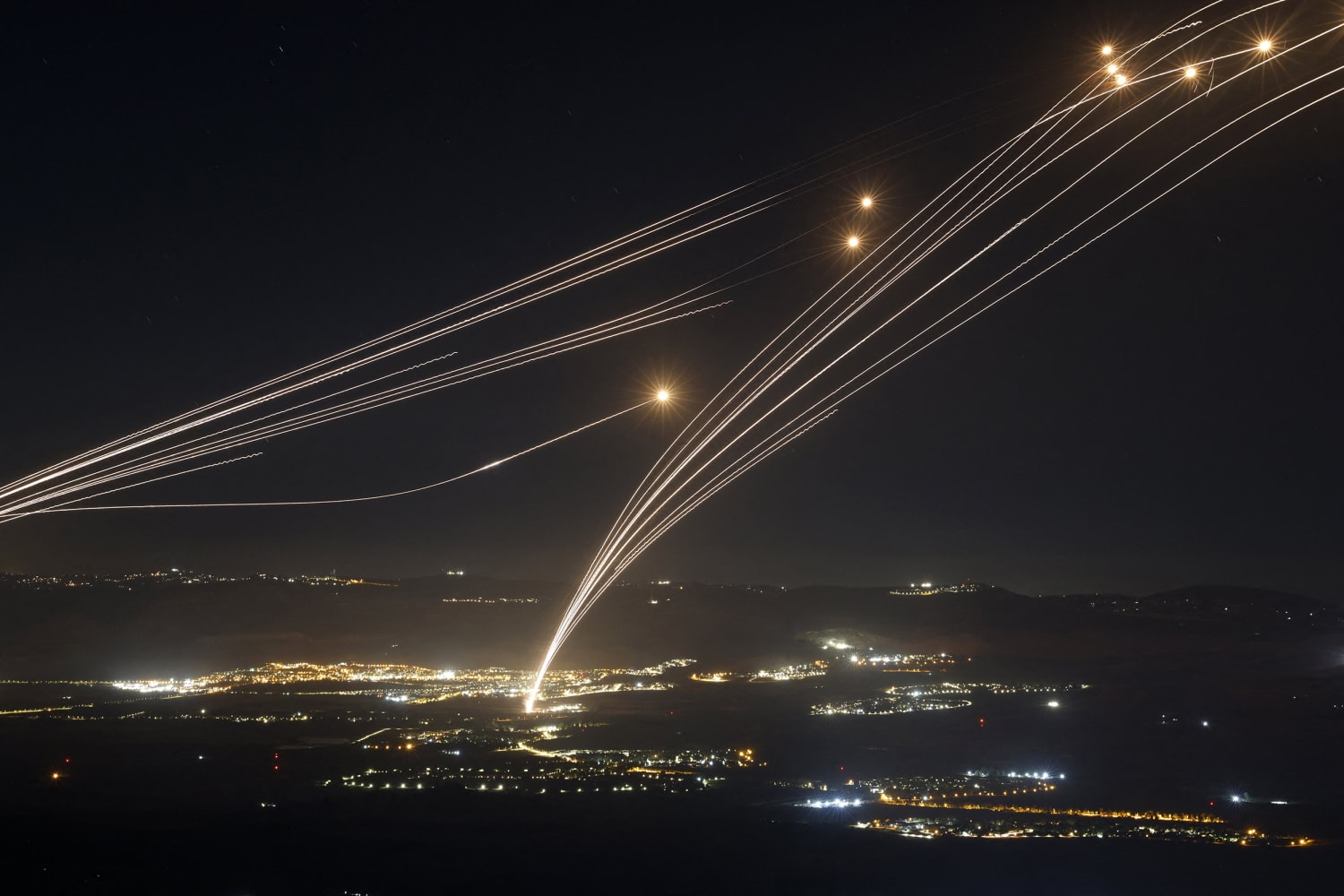
- Increased Violence: The immediate concern is a spike in retaliatory attacks. We’ve already seen increased rocket fire from Gaza, prompting Israeli airstrikes in response. This cycle of violence is precisely what everyone is trying to avoid, but breaking free from it requires a delicate and determined approach.
- Damaged Trust: These events erode the already-thin layer of trust between Israelis and Palestinians. When mutual respect is absent, dialogue becomes nearly impossible, and the path towards any lasting resolution becomes significantly harder.
- Political Instability: The clashes also exacerbate political instability within Israel. The fragile coalition government is facing increasing pressure from both the right and the left, making it difficult to enact policies aimed at de-escalation.
The Long-Term Shadow: Enduring Consequences and Systemic Issues
Beyond the immediate turmoil, the recent clashes shine a light on deeper, long-standing issues that threaten the long-term stability of the region.
- The Status Quo on the Temple Mount/Haram al-Sharif: The status quo agreement regarding religious worship at the Temple Mount/Haram al-Sharif is constantly tested. Any perceived alteration, whether real or imagined, can trigger a strong reaction. The current arrangement needs constant reaffirmation and clear communication to prevent misunderstandings and tensions from boiling over.
- The Israeli-Palestinian Conflict: The underlying issue, of course, is the unresolved Israeli-Palestinian conflict. Without a viable path towards a two-state solution, or some other mutually agreeable arrangement, the tensions will continue to fester, and incidents like this will remain a recurring threat.
- Radicalization: When people feel that their grievances are being ignored, and their rights are being violated, they become more susceptible to extremist ideologies. The clashes serve as recruitment material for radical groups on both sides, perpetuating the cycle of violence.
- International Image: The events damage Israel’s image internationally, potentially leading to increased diplomatic pressure and economic repercussions.
Turning the Tide: Practical Solutions for a More Peaceful Future
While the challenges are significant, they are not insurmountable. A path towards a more peaceful future requires a multi-pronged approach that addresses both the immediate crisis and the underlying issues. Here are a few practical solutions:
- Strengthening the Status Quo on the Temple Mount/Haram al-Sharif:
- Clear Communication: Clear and consistent communication between Israeli authorities and the Waqf (the Islamic trust that administers the site) is crucial. This includes pre-emptive dialogue before and during periods of heightened religious significance.
- Transparency: Increasing transparency regarding security protocols can help dispel rumors and allay fears among worshippers.
- Enforcement: Strict enforcement of the status quo, preventing any unilateral changes to worship practices, is essential.
Example: The “Jordanian model,” where Jordan plays a key role in the Waqf and maintains open communication with Israel, provides a framework for maintaining stability.
- De-escalation Strategies:
- Joint Security Coordination: Establishing joint security patrols with Palestinian officers in sensitive areas can help build trust and prevent future clashes.
- Dialogue Initiatives: Supporting grassroots dialogue initiatives between Israelis and Palestinians can help bridge the divide and foster empathy.
- Restraint by Security Forces: Emphasizing the importance of restraint by Israeli security forces when responding to protests can prevent escalation.
Example: In the past, local peace initiatives involving community leaders from both sides have successfully defused tensions in specific neighborhoods.
- Economic Opportunities:
- Investment in Palestinian Economy: Investing in the Palestinian economy can help create jobs and improve living standards, reducing frustration and despair.
- Cross-Border Trade: Facilitating cross-border trade and economic cooperation can foster interdependence and mutual benefit.
Example: Joint ventures between Israeli and Palestinian businesses have demonstrated the potential for economic cooperation, creating shared interests and reducing conflict.
- Political Progress:
- Renewed Negotiations: Restarting negotiations between Israel and the Palestinians, even if they seem difficult, is crucial. A viable political horizon offers hope for a better future.
- Confidence-Building Measures: Implementing confidence-building measures, such as prisoner releases and easing restrictions on movement, can help create a more conducive environment for negotiations.
Example: The Oslo Accords, despite their shortcomings, demonstrated the potential for progress through direct negotiations and mutual recognition.
Alternative Approaches
Recognizing that there is no one-size-fits-all solution, here are some alternative approaches that could be considered:
- Regional Initiatives: Engaging other countries in the region, such as Jordan and Egypt, in mediation efforts can bring additional pressure and perspectives to the table.
- International Guarantees: Seeking international guarantees for the security and religious freedom of both Israelis and Palestinians can provide a sense of security and stability.
- Bottom-Up Approach: Focusing on building relationships and trust at the grassroots level, empowering local communities to take ownership of the peace process.
The Road Ahead: A Reason for Hope
The situation in Israel is undoubtedly tense. But it’s crucial to remember that tension doesn’t have to lead to conflict. The solutions outlined above, while challenging, offer a practical path towards de-escalation and a more peaceful future.
The key is to move beyond rhetoric and embrace concrete actions that build trust, foster economic opportunity, and address the underlying political issues. It requires courage, compromise, and a willingness to listen to the other side.
This isn’t just the responsibility of governments and politicians. Every individual has a role to play. By promoting understanding, supporting peace initiatives, and refusing to fuel the flames of hatred, we can all contribute to a more hopeful future.
The path ahead may be long and winding, but it’s a path worth taking. Let’s choose to walk it together, with optimism and a commitment to building a better future for all. The future of Israel, and the region, depends on it.