
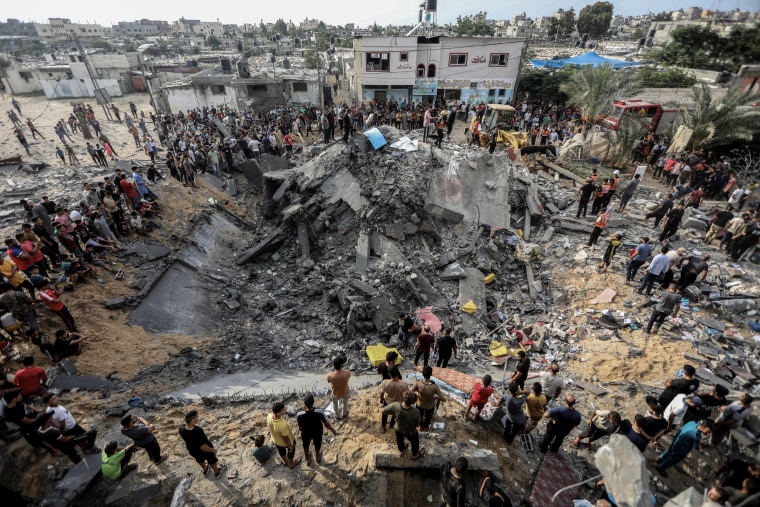
ISRAEL: SIEGE.
Introduction
The word itself conjures images of crumbling walls, desperate defenders, and unrelenting pressure. “Siege” – it’s a loaded term, heavy with historical weight. But in the context of Israel, it’s a reality far more nuanced and complex than ancient history textbooks suggest. It’s not just about physical barriers; it’s about a multifaceted siege impacting the economy, international relations, and the very spirit of a nation.
Forget the Hollywood depiction of a castle under attack. Think instead of an intricate network of economic pressures, political isolation, and security concerns, all converging to create a persistent sense of being surrounded, limited, and under constant scrutiny. This isn’t about romanticizing conflict; it’s about dissecting a complex situation and understanding the tangible impacts, both now and for the future.
So, what does this “siege” really look like in modern-day Israel? And, more importantly, what can be done to alleviate its effects? Let’s dive in.
Explanation of the Problem
The Short-Term Squeeze: From Trade to Travel
The most immediate impacts of Israel’s perceived siege are felt in its economy and security. Restricted access to certain markets, particularly in Europe and the Middle East, limits trade opportunities. While Israel boasts a thriving tech sector, it’s heavily reliant on exports. Trade restrictions, often fueled by political pressures, can stifle innovation and economic growth.
Imagine a small Israeli startup developing cutting-edge agricultural technology. Their target market is Europe, but repeated boycotts and import restrictions, driven by political disputes, make it nearly impossible to gain traction. This isn’t hypothetical; it’s the reality faced by many Israeli businesses.
Security concerns, understandably, are paramount. The constant threat of rocket attacks and terrorism necessitates substantial investment in defense. This diverts resources that could otherwise be channeled into education, healthcare, or infrastructure development. The security measures, while crucial, also contribute to a feeling of confinement and isolation, impacting daily life and hindering economic activity.
Think about the impact on tourism, a vital sector for Israel. Potential visitors, swayed by negative media coverage and security anxieties, may choose other destinations. This loss of revenue has a direct and immediate impact on businesses, from hotels and restaurants to tour operators and local artisans.
The Long Game: Erosion of Trust and Missed Opportunities
The long-term impacts of this perceived siege are perhaps even more concerning. Prolonged isolation and pressure can erode trust between communities, both within Israel and with its international partners. This can lead to increased polarization, making it harder to achieve lasting peace and stability.
Consider the impact on future generations. Constant exposure to conflict and a sense of being under siege can breed cynicism and resentment. This can stifle innovation and entrepreneurship, as young people may feel less motivated to invest in a future that seems uncertain.
Furthermore, the “siege mentality” can limit Israel’s ability to fully participate in regional and international collaborations. Missed opportunities for trade, cultural exchange, and scientific cooperation can hinder progress and development in various sectors. Imagine the potential benefits of closer collaboration with neighboring countries on issues like water management, renewable energy, and scientific research.
Solutions
Breaking the Walls Down: Practical Solutions
The good news is that this “siege” isn’t insurmountable. There are practical, actionable steps that can be taken to alleviate its effects and build a more secure and prosperous future for Israel. Here are a few alternatives:
- Economic Diversification: Relying less on a few key export markets can make Israel more resilient to political pressures. Investing in new industries, developing innovative products, and targeting emerging markets can create more diversified and sustainable economic growth.
- Example: Israel could focus on developing its renewable energy sector, becoming a leader in solar and wind technologies and exporting these solutions to developing nations.
- Proactive Diplomacy and Public Relations: Actively engaging with international audiences, addressing legitimate concerns, and promoting a more nuanced understanding of the Israeli perspective is crucial. Investing in public diplomacy initiatives and fostering cultural exchange programs can help counter negative narratives and build stronger relationships.
- Case Study: The success of the “Start-Up Nation” campaign, which showcased Israel’s technological innovation and entrepreneurial spirit, demonstrates the power of effective public relations in shaping international perceptions.
- Regional Cooperation: Seeking opportunities for collaboration with neighboring countries on shared challenges, such as water scarcity, environmental protection, and infrastructure development, can build trust and promote stability. Joint projects can demonstrate the mutual benefits of cooperation and pave the way for more comprehensive peace agreements.
- Example: Joint ventures in desalination technology could address water scarcity in the region, benefiting both Israel and its neighbors.
- Investing in Education and Innovation: Strengthening Israel’s education system and fostering a culture of innovation can create a more resilient and adaptable society. Supporting research and development in key sectors, such as cybersecurity, biotechnology, and artificial intelligence, can enhance Israel’s competitiveness in the global economy.
- Example: Funding programs that encourage young people to pursue STEM careers (science, technology, engineering, and mathematics) can help ensure Israel remains at the forefront of technological innovation.
- Building Bridges within Israeli Society: Fostering greater understanding and cooperation between different segments of Israeli society – religious and secular, Jewish and Arab – is essential for building a more united and resilient nation. Investing in programs that promote interfaith dialogue and intercultural understanding can help bridge divides and create a more inclusive society.
- Example: Implementing educational programs that teach about the history, culture, and traditions of all communities within Israel can help foster empathy and understanding.
Conclusion
A Future Beyond the Walls: Taking Action
The perception of being under siege can be a powerful force, shaping attitudes, behaviors, and ultimately, the future of a nation. But it doesn’t have to be a self-fulfilling prophecy. By taking proactive steps to diversify the economy, engage in proactive diplomacy, foster regional cooperation, invest in education and innovation, and build bridges within Israeli society, Israel can break down the walls of this perceived siege and build a more secure, prosperous, and interconnected future.
It’s not about ignoring the challenges; it’s about facing them with courage, creativity, and a commitment to building a better tomorrow. This isn’t just a task for politicians and policymakers; it’s a call to action for every individual, every business, and every community in Israel.
The future is not predetermined. It’s built brick by brick, opportunity by opportunity, connection by connection. Let’s work together to build a future for Israel that is defined not by siege, but by resilience, innovation, and a unwavering commitment to peace and prosperity. The choice, ultimately, is ours.