
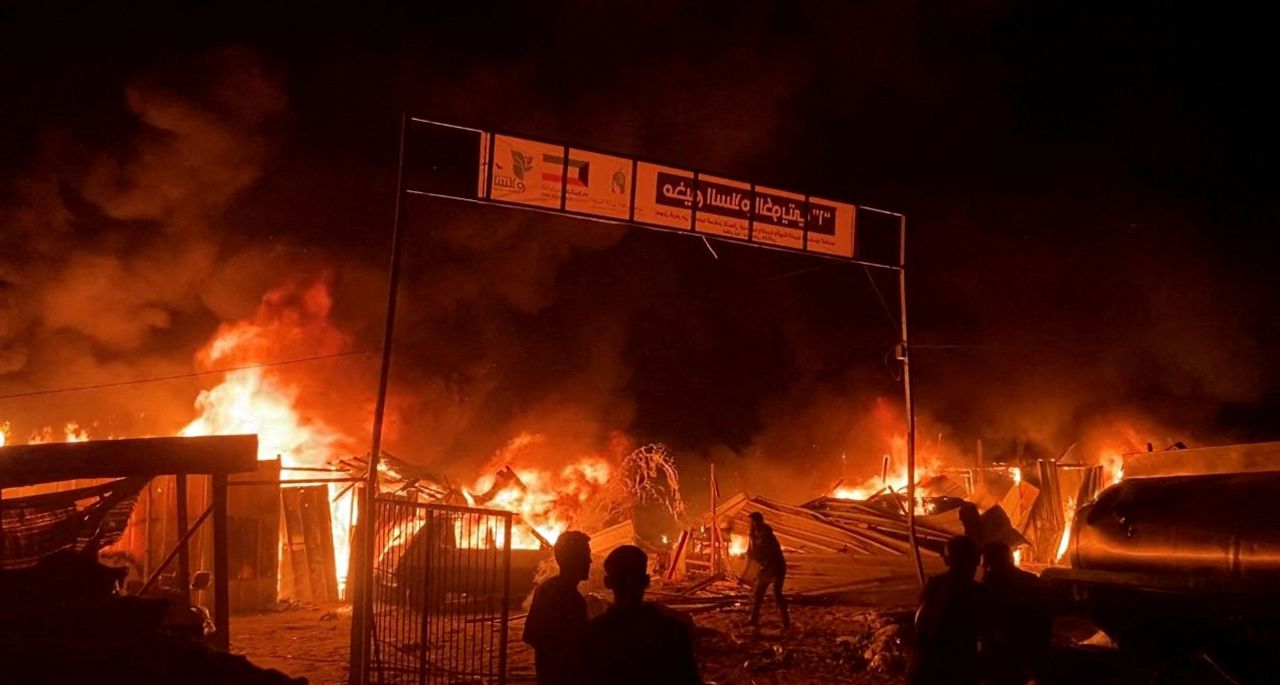
ISRAEL UNDER FIRE: ATTACK REPORTED
Introduction
The news crackled across screens and social media feeds: “Israel Under Fire: Attack Reported.” The words, stark and immediate, sent a familiar jolt of concern across the globe. But beyond the headlines, what does this actually mean, not just for Israel, but for the wider region and global stability? And perhaps more importantly, what can be done?
This isn’t just another blip on the radar of international affairs. It’s a complex situation with far-reaching consequences that demand more than just passive observation. Let’s unpack what’s happening, examine the ripple effects, and explore realistic pathways towards a more stable future.
The Immediate Aftermath: Beyond the Smoke and Sirens
Any attack on Israeli soil, regardless of its scale, triggers a cascade of immediate responses. First and foremost, there’s the urgent need to protect civilians. The Iron Dome missile defense system, a technological marvel and a constant source of both security and debate, springs into action, intercepting incoming rockets. Emergency services mobilize, tending to the injured and providing support to those displaced.
The psychological impact is equally profound. Israelis, accustomed to living with the threat of conflict, find their anxieties heightened. Schools and businesses close, disrupting daily life and creating a sense of unease. The initial hours and days are often marked by fear, uncertainty, and a desperate longing for normalcy.
Beyond the immediate physical and emotional toll, these attacks also have a significant impact on the Israeli economy. Tourism, a vital sector, suffers setbacks as travelers cancel plans. Businesses face disruptions, and investor confidence wavers. The cost of defense, already a significant burden, increases further, straining national resources.
The Long Game: A Region on Edge
The immediate consequences are just the tip of the iceberg. The long-term implications of these attacks are far more complex and potentially destabilizing.
- Escalation and Retaliation: Each attack risks triggering a cycle of escalation. Israeli responses, often aimed at deterring future attacks, can be seen as provocative by opposing factions, leading to further retaliatory actions. This tit-for-tat dynamic can quickly spiral out of control, dragging the region into wider conflict. Think of it like a seesaw, where each push on one side triggers a higher rise on the other.
- The Humanitarian Cost: Prolonged conflict inevitably leads to a worsening humanitarian crisis. Civilians, particularly those living in areas near the Gaza Strip or along the Lebanese border, often bear the brunt of the violence. Access to essential resources like food, water, and medical care becomes increasingly difficult, creating a desperate situation for vulnerable populations.
- Geopolitical Ramifications: The Israeli-Palestinian conflict is a powder keg that has the potential to ignite regional and even global instability. Attacks on Israel can embolden extremist groups, destabilize neighboring countries, and draw in international actors, further complicating the already delicate balance of power. The involvement of actors like Iran and Hezbollah adds another layer of complexity, making it difficult to de-escalate tensions.
- Erosion of Trust and Dialogue: Perhaps the most insidious long-term impact is the erosion of trust and the breakdown of communication between Israelis and Palestinians. Each attack deepens the sense of animosity and mistrust, making it harder to find common ground and work towards a peaceful resolution.
Building Bridges, Not Walls: Practical Solutions for a More Secure Future
So, what can be done? The path to a more peaceful future is CITA4D undoubtedly complex and multifaceted, but it’s not insurmountable. Here are some practical solutions, focusing on both short-term and long-term strategies:
- Strengthening Regional Diplomacy: International mediators need to play a more active role in facilitating dialogue between Israel and Palestinian factions. This requires engaging with all parties involved, including Hamas and other militant groups, to address their concerns and find ways to de-escalate tensions. A good example of this is the Egyptian brokered ceasefire that has, at times, managed to stall conflicts from going out of control.
- Investing in Economic Development: Poverty and desperation are breeding grounds for extremism. Investing in economic development in the Gaza Strip and the West Bank can help create opportunities for Palestinians and reduce the appeal of violence. This could include supporting small businesses, creating jobs, and improving access to education and healthcare.
- Enhancing Security Cooperation: Strengthening security cooperation between Israel and neighboring countries, particularly Egypt and Jordan, can help to prevent attacks and maintain stability. This could involve sharing intelligence, coordinating security operations, and working together to combat terrorism.
- Promoting People-to-People Initiatives: Building bridges between Israelis and Palestinians through people-to-people initiatives can help to foster understanding and empathy. These initiatives could include joint educational programs, cultural exchanges, and community-building projects. The Seeds of Peace program, for instance, brings together young people from conflict zones to promote dialogue and understanding.
- Addressing the Root Causes of Conflict: Ultimately, a lasting solution requires addressing the root causes of the conflict, including the Israeli occupation of Palestinian territories, the status of Jerusalem, and the refugee issue. This will require difficult compromises and a willingness to engage in meaningful negotiations. The Oslo Accords, while ultimately unsuccessful in achieving a lasting peace, offer a glimpse of the potential for progress through direct negotiations.
- Focus on De-escalation Strategies: Develop and implement clear de-escalation strategies that can be activated immediately following an attack. This includes clear communication channels, pre-negotiated cease-fire terms, and a commitment from all parties to exercise restraint.
- Promote Media Literacy: Combat the spread of misinformation and inflammatory rhetoric by promoting media literacy among both Israelis and Palestinians. This can help to prevent the escalation of tensions and promote a more balanced understanding of the conflict.
A Call to Action: From Despair to Determination
The situation in Israel and Palestine is undoubtedly challenging, but it’s not hopeless. The recent attacks are a stark reminder of the urgent need for action, not just from governments and international organizations, but from each and every one of us.
We can educate ourselves about the complexities of the conflict, support organizations working to promote peace and reconciliation, and advocate for policies that will lead to a more just and sustainable future.
It’s easy to feel overwhelmed by the seemingly intractable nature of the conflict, but we must remember that progress is possible. Every small step, every act of compassion, every voice raised in support of peace can make a difference.
Let’s not succumb to despair. Instead, let’s embrace a spirit of determination and work together to build a future where Israelis and Palestinians can live in peace and security. The time to act is now. The future depends on it.