
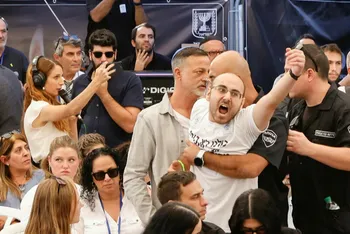
Introduction: Sparse Attendance Marks Memorial for Oct. 7 Attack
Israeli Prime Minister Benjamin Netanyahu recently delivered a speech at a sparsely attended memorial for the October 7 attacks, where he highlighted Israel’s recent military advances against Hamas. The event, intended to commemorate the victims and rally support for Israel’s ongoing military response, saw a surprisingly low turnout, suggesting mixed public sentiments and fatigue as the conflict continues.
The October 7 Attacks and the Aftermath
On October 7, Hamas launched a large-scale attack against Israel, leading to significant casualties and escalating violence. In response, Israel initiated a comprehensive military campaign targeting Hamas infrastructure in Gaza. The attacks have fueled intense military action, drawing international attention and sparking debates over regional stability and humanitarian concerns. Netanyahu has positioned the campaign as essential to national security, vowing to dismantle Hamas’s capabilities.
Netanyahu’s Speech: Emphasis on Military Successes
During his speech, Netanyahu detailed recent successes of the Israeli Defense Forces (IDF) in targeting Hamas assets and personnel, underscoring the importance of sustained military action. He presented these gains as victories for Israeli security, asserting that they demonstrate Israel’s strength and resolve. He pledged that the campaign would continue until Hamas’s operational capabilities are significantly diminished.
However, Netanyahu’s focus on military achievements drew criticism from some attendees, who felt the event should have placed greater emphasis on memorializing the victims rather than on military progress. Others have argued that the government’s handling of the situation has heightened internal tensions and intensified scrutiny over its approach to the conflict.
Sparse Attendance: A Reflection of Mixed Sentiments
The low turnout at the memorial event has sparked discussions about possible shifts in public sentiment. Analysts suggest that while many Israelis support defensive action against Hamas, there is growing unease about the government’s long-term strategy and the humanitarian impact of sustained military operations in Gaza. Additionally, criticism has mounted over Netanyahu’s focus on military rhetoric rather than on addressing domestic concerns and offering condolences to victims’ families.
Some have pointed out that the sparse attendance may reflect Israel’s internal divisions, with some citizens disillusioned by ongoing conflict and others concerned about the impact of prolonged hostilities on Israel’s international standing and humanitarian obligations.
Domestic and International Implications
Netanyahu’s emphasis on military gains and the relatively low engagement at the memorial come at a time when Israel faces international scrutiny. The intensification of its Gaza campaign has led to calls from the United Nations and human rights organizations for greater protections for civilians and adherence to international law. While Netanyahu argues that Israel’s actions are necessary to ensure security, the humanitarian toll has sparked both domestic and international calls for restraint.
The public’s reaction to the memorial may also signal broader concerns about the economic and social strains of the conflict. As Israel’s government allocates resources to the military campaign, there are growing calls from within Israel for greater transparency, accountability, and dialogue on what long-term peace might entail.
Conclusion: Balancing Military Gains with Public Sentiment and Humanitarian Concerns
Netanyahu’s speech at the October 7 memorial underscores the challenges Israel faces as it navigates complex security and humanitarian dynamics. The sparse attendance suggests that while the government pursues its military objectives, public sentiment may be shifting towards a desire for a balanced approach that addresses both security and the human cost of conflict. As Israel continues its campaign in Gaza, maintaining public trust and international support will likely depend on the government’s ability to integrate military strategy with diplomacy, humanitarian considerations, and a commitment to honoring those lost in the violence.