
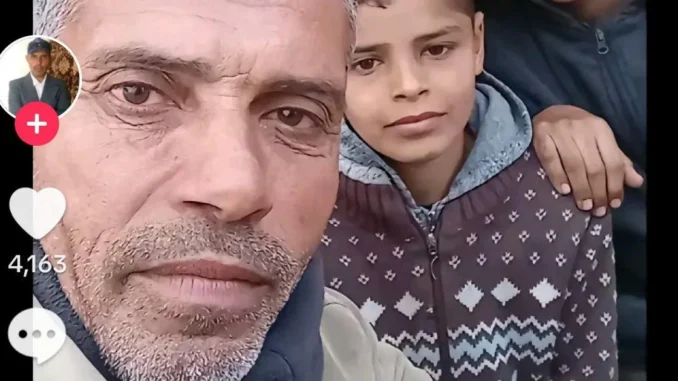
In an unexpected twist, Palestinians in Gaza are increasingly reaching out to Israelis through social media platforms like TikTok, delivering messages in Hebrew and sharing firsthand perspectives from one of the world’s most contentious regions. These posts—often tagged with hashtags in both Hebrew and Arabic—have caught the attention of Israeli users, offering them a rare glimpse into the lives of ordinary Gazans who want to bridge divides and engage in direct communication across the border.
As TikTok videos proliferate, featuring Gazans speaking fluent Hebrew, a question emerges: could these voices serve as informal ambassadors for peace, or even influence public opinion in Israel? And in a conflict defined by decades of political and cultural separation, what does it mean for Israelis and Palestinians to connect in such a personal, human way on social media?
A New Kind of Dialogue
In recent months, several Gazan content creators have been speaking directly to Israeli audiences, sharing insights about daily life under siege, opinions on the conflict, and calls for peace. Fluent Hebrew speakers, many of whom learned the language while working in Israel or through exposure to Israeli media, use platforms like TikTok to tell stories often missing from traditional media. Their videos cover everything from food shortages and power outages to personal dreams and messages of solidarity, sometimes challenging stereotypes on both sides.
One young Gazan man recently posted a video in Hebrew, saying, “We are not your enemies; we just want to live.” Another shared how his family copes during airstrikes and appealed for Israelis to consider their shared humanity. Such videos resonate with Israeli viewers, especially younger generations who may be more inclined to seek alternative perspectives on the conflict. These interactions are fostering what some call a “digital bridge”—a conduit of empathy that bypasses political leaders and official narratives.
Humanizing the Conflict
The reach of TikTok has enabled a more direct, human-centered perspective that can cut through decades of mistrust and media-filtered narratives. For Israelis, these videos provide a window into Gaza beyond the typical images of militancy and conflict. It’s one thing to read about hardships in Gaza; it’s another to see and hear them directly from someone living through it, in your own language. The candidness of the content often leaves a strong impact, challenging preconceived notions on both sides.
Hebrew-speaking Palestinians in Gaza are effectively “humanizing” the conflict for Israeli viewers, portraying themselves as individuals with everyday struggles and aspirations. This has led to surprising expressions of solidarity from Israeli viewers, with some even asking what they can do to help. In one video, a young Gazan woman recounts how she and her family spend nights huddling together to stay safe during airstrikes. The video received thousands of comments, many from Israeli users sending messages of hope or urging leaders on both sides to consider peaceful solutions.
Challenges and Risks
These creators face significant risks in speaking out, as both Palestinian and Israeli authorities carefully monitor social media for security concerns. In Gaza, dissent or engagement with Israel can be dangerous, with local authorities often discouraging or punishing communication with Israelis. Meanwhile, some Israelis question the intentions of these videos, concerned that they could be used to sway public opinion in favor of policies that don’t align with Israel’s security needs.
Additionally, not all responses are positive. Many users on both sides leave negative or politically charged comments, reminding creators of the limitations of social media to address the root causes of the conflict. However, the sheer volume of interactions suggests that these videos are at least prompting dialogue, with each comment—whether supportive or critical—serving as evidence that people are engaging with the content.
The Role of Social Media as a ‘Digital Peacebuilding’ Tool
Social media’s role in peacebuilding is still evolving, but platforms like TikTok demonstrate the potential for creating dialogue spaces where official channels fall short. While governments struggle to maintain a balance between security and diplomacy, individual voices on social media can reach across borders and boundaries, often speaking a language of empathy and shared experience that resonates at a grassroots level.
These videos also present an opportunity for Israeli and Palestinian civil society groups to rethink their approaches. Programs focused on dialogue and peacebuilding have historically relied on in-person interactions, which are increasingly difficult given current restrictions. Social media, particularly TikTok’s short-form content, enables broader participation and a more democratized approach to dialogue, allowing even those without formal education or resources to contribute to peace discourse.
What About Us? Bridging Divides, One Video at a Time
For Israelis, these messages raise a broader question: if Gazans are willing to reach out, what role can Israeli citizens play in bridging the divide? While official channels of diplomacy remain stalled, the onus may be shifting toward ordinary people to seek creative solutions for peace. This emerging TikTok trend suggests that, even amid deep-seated political tension, there exists a desire for mutual understanding.
Several grassroots Israeli organizations have taken note, advocating for policies that facilitate safe communication and provide platforms for people-to-people dialogue. They argue that these connections, however small, have the potential to gradually shift public opinion toward support for coexistence initiatives. For instance, a recent campaign encouraged Israelis to respond positively to Gazan TikTok videos and amplify messages that promote understanding.
While TikTok videos are not a replacement for formal negotiations, they represent an undercurrent of hope amid a highly polarized environment. In an era when many feel powerless to influence political decisions, these digital interactions provide a glimmer of agency—a way for individuals to shape their narratives and connect on a human level.
Looking Ahead: The Future of Digital Peacebuilding
As the conflict continues, the potential of platforms like TikTok to foster empathy and promote understanding remains uncertain but promising. For Hebrew-speaking Gazans, TikTok offers a rare platform to share their voices directly with Israelis, providing narratives often lost in the noise of political discourse.
In a region where face-to-face interaction is nearly impossible, TikTok’s videos hint at the possibility of dialogue, one that transcends politics and taps into shared human experience. For now, each message of solidarity, every comment of empathy, and every connection across the digital divide offers a reminder that, even in conflict, there are people willing to reach out to one another, speak each other’s language, and perhaps, one day, imagine a future of peace.