
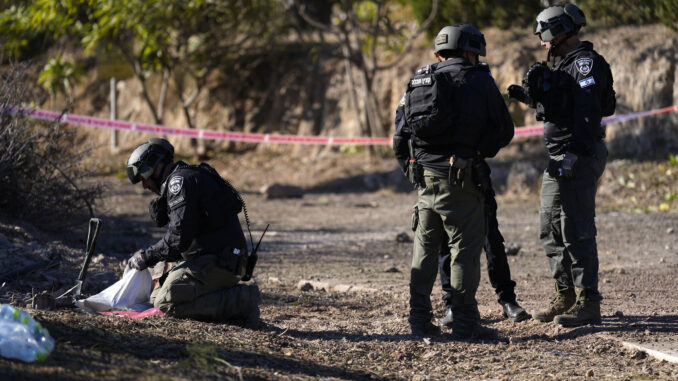
Jerusalem – Seven men from East Jerusalem have been arrested on suspicion of planning to carry out assassinations and terror attacks on behalf of Iran, according to Israeli authorities. The arrests, which took place following an extensive security investigation, have heightened concerns about Iran’s growing influence in the region and its alleged use of proxies to destabilize Israel.
The suspects, all residents of East Jerusalem and holding Israeli identification cards, are accused of conspiring to target prominent Israeli figures and government officials. Israeli officials claim the group was recruited by Iranian operatives and received instructions and financial support to carry out the attacks.
The Arrests and Alleged Plot
According to Israel’s Shin Bet internal security agency, the group was in advanced stages of planning attacks, including assassinations of high-profile Israeli figures. The suspects reportedly made contact with Iranian intelligence through intermediaries and had been gathering intelligence on their potential targets.
The investigation revealed that the men were also tasked with gathering sensitive information on Israeli military sites and key infrastructure, potentially for future attacks. They were allegedly offered significant sums of money by Iran for carrying out these operations.
“The suspects were planning very serious acts of terror, including assassination attempts on Israeli public figures, and they had already begun collecting intelligence,” a Shin Bet spokesperson said in a statement. “This is another example of Iran’s relentless efforts to spread terror and destabilize Israel through local operatives.”
Iran’s Growing Influence in Jerusalem
Iran has long been accused of using proxy groups such as Hezbollah and Palestinian factions like Hamas to carry out attacks against Israel. However, the arrests in East Jerusalem highlight a potentially new front in Iran’s efforts to influence the region. The suspects, all Israeli citizens, allegedly leveraged their access and mobility to facilitate the planning of attacks.
East Jerusalem, a predominantly Palestinian area, has long been a flashpoint in the Israeli-Palestinian conflict. Tensions over land, religious sites, and political control in the city have made it a target for outside actors seeking to inflame the situation. Iran has consistently positioned itself as a supporter of the Palestinian cause, and Israeli officials claim that the arrests demonstrate Tehran’s intention to exploit local grievances to its advantage.
Israeli-Iranian Tensions Escalating
The arrests come amid escalating tensions between Israel and Iran, particularly over Iran’s nuclear program and its support for militant groups in Lebanon, Syria, and Gaza. In recent years, Israel has accused Iran of attempting to establish a military presence in neighboring Syria and has launched multiple airstrikes targeting Iranian assets in the region.
Prime Minister Benjamin Netanyahu has repeatedly warned of Iran’s ambitions to carry out terror attacks inside Israel, and these recent arrests seem to confirm those concerns.
“We are witnessing a dangerous escalation in Iran’s efforts to undermine Israel’s security by recruiting citizens from within our own borders,” Netanyahu said in a statement following the arrests. “Israel will act decisively to prevent any such attacks and ensure the safety of our people.”
The Regional Context
This latest development adds to the broader regional context in which Israel and Iran are locked in a shadow war. While much of the focus has been on Iran’s nuclear ambitions, its use of proxies and covert operatives to carry out attacks on Israeli soil has become an increasing concern for Israeli intelligence agencies.
Iran’s influence in the West Bank and East Jerusalem has traditionally been less direct compared to its backing of Hamas in Gaza or Hezbollah in Lebanon, but the arrests of these seven men suggest that Tehran may be expanding its operational footprint in the region. The alleged plot, if proven, would represent a bold escalation of Iranian-backed activities within Israel’s borders.
Investigations and Potential Charges
The suspects are currently being held for interrogation, and charges are expected to include conspiracy to commit terror attacks, espionage, and aiding an enemy during wartime. Israeli authorities have indicated that more arrests could follow as the investigation continues to uncover the full extent of the alleged plot.
Israeli intelligence agencies are reportedly working to trace the financial and logistical support provided by Iran to local operatives and prevent future attacks. According to officials, the plot was uncovered in part through cyber intelligence operations, and further surveillance of Iranian contacts in East Jerusalem is ongoing.
International Implications
The arrests are likely to increase international attention on Iran’s activities in the region, particularly its alleged use of proxy groups to destabilize Israel. The United States, a close ally of Israel, has repeatedly condemned Iran’s support for terrorism and its efforts to expand its influence through covert operations. The U.S. State Department recently emphasized the need for stronger sanctions on Iran to prevent it from funding terrorist groups and destabilizing the Middle East.
These latest arrests may also complicate ongoing international negotiations over Iran’s nuclear program, with Israel continuing to push for a tougher stance against Tehran’s regional activities.
Conclusion
The arrests of the seven East Jerusalem men suspected of plotting assassinations on behalf of Iran mark a serious escalation in the covert conflict between Israel and Iran. As Israeli security forces intensify their efforts to counter these threats, the incident serves as a stark reminder of the far-reaching ambitions of Iran in the region and the ongoing challenges Israel faces in safeguarding its citizens from external threats.