
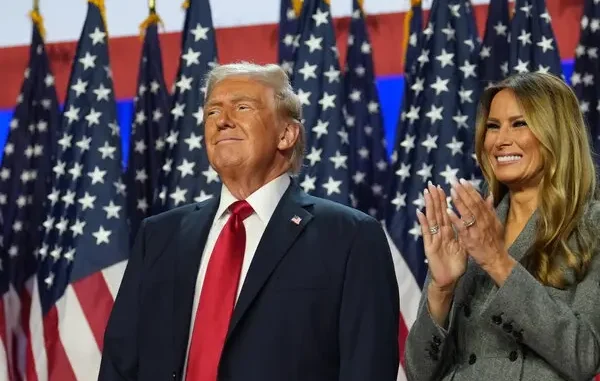
In a move that has stirred both support and criticism, former President Donald Trump has appointed a Fox News host known for advocating strong U.S.-Israel relations as the new acting Secretary of Defense. The appointee, who has openly voiced support for Israel and its alignment with American interests, is expected to bring a distinctly pro-Israel stance to the Pentagon, at a time when U.S. foreign policy and Middle Eastern alliances are under intense scrutiny.
A Background in Media and Foreign Policy Commentary
The newly appointed acting Secretary of Defense has spent years in broadcasting, using their platform on Fox News to comment on domestic and international issues. While lacking a traditional military or defense background, they have developed a prominent profile as a staunch supporter of U.S.-Israel relations and have consistently argued for policies aimed at strengthening security and defense cooperation with Israel. This appointment follows a series of top-level shakeups in the Trump administration and signals a possible shift in Pentagon priorities toward reinforcing alliances that align with Trump’s foreign policy vision.
In recent broadcasts, the appointee underscored their position by asserting that the United States must “stand by its strong ally,” referring to Israel as a crucial partner in the fight against terrorism and a stabilizing force in the Middle East. This stance aligns with Trump’s previous policies, which included recognizing Jerusalem as Israel’s capital and brokering the Abraham Accords—a set of normalization agreements between Israel and several Arab nations.
Reactions from Political and Military Circles
The appointment has provoked mixed responses. Supporters argue that the new acting Defense Secretary’s staunch advocacy for Israel aligns well with U.S. strategic interests, given Israel’s position as a major ally in a region facing security challenges from Iran and other adversarial states. Additionally, proponents suggest that the Secretary’s media experience could bring a fresh perspective to the Pentagon, as they are adept at communicating with the American public and galvanizing support for U.S. defense policies.
However, critics express concern over the appointee’s lack of direct military experience and traditional defense credentials, pointing out that the role of Secretary of Defense has typically been reserved for individuals with extensive backgrounds in military operations, defense policy, or diplomatic negotiations. Some military and defense experts worry that the appointment of a media personality could lead to a simplified or one-dimensional approach to complex global issues, particularly in the Middle East, where the dynamics between Israel, Palestine, and other regional players are deeply nuanced.
U.S.-Israel Relations in the Spotlight
With this appointment, the Trump administration has doubled down on its commitment to strengthening U.S.-Israel relations. This is particularly relevant as the Middle East faces growing tensions, and Iran’s nuclear ambitions continue to pose a significant threat to regional stability. The new acting Secretary of Defense is expected to prioritize military cooperation with Israel, including joint training exercises, intelligence sharing, and technology development.
The Pentagon, under their leadership, may place added emphasis on funding initiatives that bolster Israel’s defense capabilities, including the Iron Dome missile defense system. Additionally, this shift could reinforce deterrence against threats from Iranian-backed groups operating in Syria, Lebanon, and Gaza. Analysts suggest that with their public support for a strong U.S.-Israel alliance, the acting Secretary of Defense may also advocate for additional measures to counter Iran’s influence in the region.
Broader Implications for U.S. Defense Policy
Trump’s selection sends a clear message about the administration’s foreign policy direction, with potential implications beyond the Middle East. By appointing a well-known media figure with strong views on U.S.-Israel relations, Trump may be signaling an intention to make defense policy more visible and directly responsive to public sentiment. Some believe that this approach could help rally Trump’s base and solidify support among American voters who view Israel as a key ally.
However, the appointment also raises questions about the continuity of U.S. defense policies and potential impacts on the military’s nonpartisan stance. The Department of Defense, traditionally seen as an apolitical institution, may face internal challenges as it navigates a new leadership style focused on reinforcing Trump’s strategic alliances rather than fostering a broad-based defense policy. This could affect not only U.S. relations with Israel but also the balance of power within NATO and partnerships with other allies.
Looking Ahead: Challenges and Opportunities
As the new acting Defense Secretary steps into the Pentagon, they will be tasked with addressing pressing challenges, including overseeing U.S. military operations abroad, managing defense spending, and supporting counterterrorism efforts globally. With the appointment’s strong pro-Israel stance, the administration’s approach to the Middle East may see a renewed focus on deterrence against Iran and bolstering U.S.-Israel collaboration in defense technology and intelligence.
While the long-term impact of this appointment remains to be seen, it is clear that the Trump administration’s commitment to prioritizing key alliances—particularly with Israel—will continue to shape U.S. defense strategy in the immediate future. The new leadership at the Pentagon will likely prioritize policies that align closely with Trump’s foreign policy vision, reinforcing the U.S.-Israel alliance and reasserting America’s presence in a strategically significant region.