
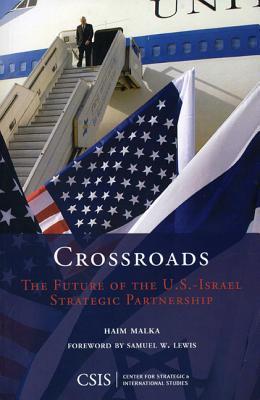
Israel’s Future: At a Crossroads?
Introduction
Israel. The very name conjures images of ancient history, technological innovation, and, let’s be honest, a good dose of complexity. This tiny nation, nestled in a historically turbulent region, has always faced challenges, but today, it stands at a particularly significant crossroads. The choices made now will profoundly shape its future, impacting not just its citizens, but also the wider Middle East and the global landscape.
Explanation of the Problem
So, what exactly is this crossroads all about? It’s a multifaceted issue, really. It’s about navigating a delicate geopolitical landscape, addressing internal societal divisions, and securing a sustainable economic future – all while staying true to the values and aspirations that define the Israeli identity.
Short-Term Storms, Long-Term Ripples
The immediate issues facing Israel are undeniable. The ongoing Israeli-Palestinian conflict remains a persistent source of tension and instability, impacting everything from security concerns to international relations. Domestically, deep societal divisions, often along religious, ethnic, and political lines, threaten to fracture the social fabric. These tensions are not new, but their recent escalation demands immediate attention.
The short-term impact of these issues is clear: continued security threats, heightened social unrest, and a potential erosion of Israel’s international standing. But the long-term ramifications are far more significant. Unresolved conflict with the Palestinians can perpetuate a cycle of violence and hinder regional cooperation, stifling economic growth and development. Internal divisions, if left unaddressed, can lead to political paralysis, further exacerbating societal inequalities and potentially fueling extremism.
Think of it like a weather system. A small storm today can cause a localized flood. But if the underlying infrastructure isn’t strong, that flood can weaken the foundations, leading to more significant damage down the line. The same principle applies to Israel’s current challenges.
Solutions
So, how can Israel navigate this complex crossroads and steer towards a brighter future? The good news is that there are several practical and applicable solutions that can be implemented, both in the short-term and the long-term.
- Fostering Dialogue and Reconciliation:
One of the most critical steps is to foster dialogue and reconciliation within Israeli society. This means creating spaces for open and honest conversations between different groups, addressing historical grievances, and promoting mutual understanding.
Example: The establishment of community-based dialogue groups that bring together Israelis from diverse backgrounds to discuss shared challenges and find common ground. Organizations like the Abraham Initiatives, which work to bridge the gap between Arab and Jewish citizens of Israel, offer a blueprint for this approach. Their programs demonstrate the power of creating spaces for meaningful interaction and collaboration.
- Investing in Education and Economic Opportunity:
Addressing socio-economic disparities is crucial for building a more cohesive and equitable society. This requires investing in education, particularly in disadvantaged communities, and creating economic opportunities for all citizens.
Example: Programs that provide vocational training and mentorship to young people from marginalized communities can help them acquire the skills and knowledge they need to succeed in the job market. Initiatives like the “Tech-Career” program, which provides training in high-tech fields to young adults from diverse backgrounds, are a testament to the transformative power of education and economic empowerment.
- Pursuing a Two-State Solution with Renewed Commitment:
While the path forward is complex, pursuing a two-state solution to the Israeli-Palestinian conflict remains the most viable option for achieving lasting peace and security. This requires both sides to engage in good-faith negotiations, addressing key issues such as borders, settlements, and Jerusalem.
Example: Learning from past attempts, a renewed focus on grassroots initiatives that promote people-to-people contact and build trust between Israelis and Palestinians can create a more conducive environment for negotiations. Organizations like “Combatants for Peace,” which brings together former combatants from both sides to work for peace, demonstrate the potential of these initiatives.
- Diversifying the Economy and Embracing Innovation:
To ensure a sustainable economic future, Israel needs to diversify its economy beyond high-tech and embrace innovation in other sectors, such as renewable energy, agriculture, and healthcare. This will create new jobs, attract foreign investment, and strengthen Israel’s competitiveness in the global market.
Example: Investing in research and development in areas like water technology and sustainable agriculture can not only address Israel’s own challenges but also position it as a global leader in these fields. Israel’s existing strength in high-tech can be leveraged to develop innovative solutions for these sectors, creating a virtuous cycle of growth and development.
- Strengthening Democratic Institutions and the Rule of Law:
Protecting democratic institutions and upholding the rule of law is essential for maintaining a stable and just society. This requires ensuring the independence of the judiciary, protecting freedom of speech and assembly, and promoting transparency and accountability in government.
Example: Strengthening oversight mechanisms and promoting civic education can help to safeguard democratic values and prevent abuses of power. Supporting organizations that work to promote good governance and protect civil liberties is crucial for ensuring that Israel remains a vibrant and democratic society.
Alternative Approaches: A Menu of Options
It’s important to remember that there’s no one-size-fits-all solution. Different approaches may be more suitable depending on the specific context and priorities. Here are a few alternative approaches to consider:
- Confederation: Exploring a confederation model with Palestine, allowing for shared sovereignty and cooperation on key issues.
- Regional Integration: Focusing on greater regional integration and cooperation, building economic and political ties with neighboring countries.
- Bottom-Up Peacebuilding: Prioritizing grassroots initiatives and people-to-people contact to build trust and lay the groundwork for a future peace agreement.
The key is to remain flexible, adaptable, and open to new ideas. The future of Israel will depend on its ability to embrace innovation, both technologically and politically.
Conclusion
The challenges facing Israel are significant, but they are not insurmountable. By embracing dialogue, investing in education, pursuing a two-state solution, diversifying the economy, and strengthening democratic institutions, Israel can overcome these challenges and build a brighter future for all its citizens.
The path forward will require courage, vision, and a willingness to compromise. But the rewards – a peaceful, prosperous, and just society – are well worth the effort. Israel has a rich history of resilience and innovation. It has overcome countless challenges in the past, and it can do so again.
So, let’s not dwell on the problems. Let’s focus on the solutions. Let’s work together to build a better future for Israel – a future where peace, prosperity, and justice prevail. The crossroads may be daunting, but the destination is worth striving for. It’s time to get involved, to lend your voice, and to be part of the solution. The future of Israel is not just a matter for politicians and policymakers. It’s a matter for all of us. Let’s make it a future we can all be proud of.