
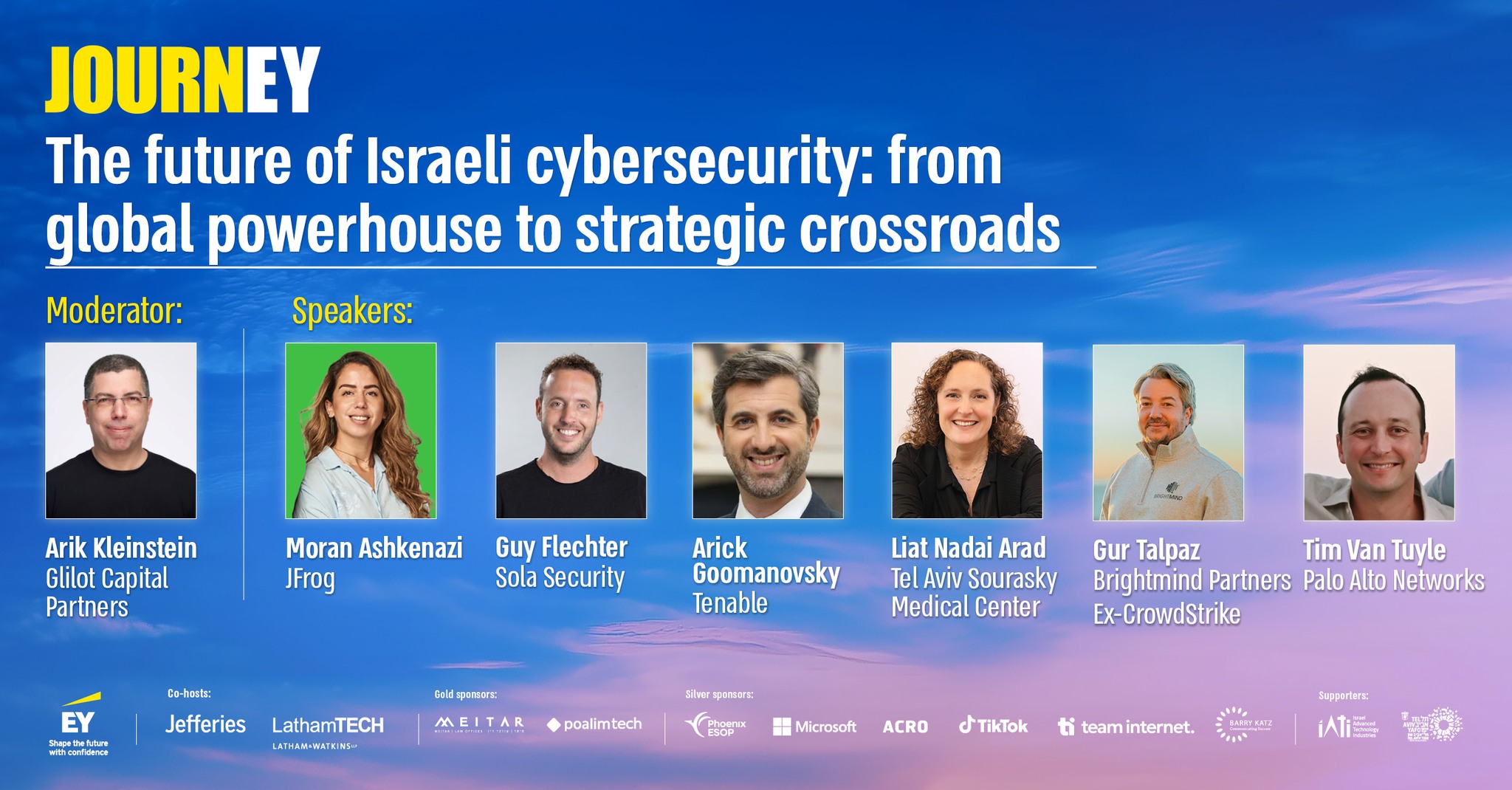
Israel’s Crossroads: Defining the Future
Introduction
Israel,a nation etched in history and brimming with innovation,stands at a pivotal crossroads.The decisions made today will reverberate through generations,shaping the very essence of this dynamic country.More than just political maneuvering,the challenges Israel faces demand thoughtful consideration and bold action.This isn’t just about headlines;it’s about the future of a nation,its people,and its role on the global stage.
The Crossroads Unveiled: Short-Term Pressures, Long-Term Impacts
The crossroads? They’re a complex intersection of political polarization,regional security concerns,economic inequalities,and social divisions.Each thread intricately woven into the tapestry of Israeli society.Ignoring these threads isn’t an option;understanding them is crucial.
The immediate pressures are evident.The ongoing political instability,manifested in frequent elections and shifting coalitions,creates uncertainty that stifles long-term planning.This has a ripple effect,impacting everything from attracting foreign investment to implementing much-needed social reforms.Think of it like trying to build a house on shifting sands – the foundation is never truly secure.
The regional security landscape remains volatile,with constant reminders of the complex web of conflicts and alliances surrounding Israel.The short-term implications are clear:heightened security measures,resource allocation towards defense,and the persistent threat of escalation.But the long-term impact is potentially more profound.It shapes national identity,influences social cohesion,and impacts diplomatic relations.A constant state of alert,however necessary,can subtly erode the sense of normalcy and progress.
Economic disparities further complicate the picture.While Israel boasts a thriving tech sector and a high GDP,the benefits aren’t evenly distributed.The gap between the wealthy and the less privileged continues to widen,leading to social unrest and fueling resentment.This isn’t just a matter of fairness;it’s an economic drag.Untapped potential languishes,and societal divisions hinder progress.
Social divisions,often along religious,ethnic,and ideological lines,add another layer of complexity.These divisions,sometimes subtle,sometimes overt,can impede constructive dialogue and foster mistrust.In the short term,this can manifest in political gridlock and social friction.Long-term,it threatens the very fabric of Israeli society.
These challenges are not isolated incidents;they are interconnected and self-reinforcing.Failing to address them proactively risks entrenching inequality,exacerbating political instability,and jeopardizing Israel’s long-term prosperity and security.The stakes are high,and the urgency is palpable.
Charting a New Course: Practical Solutions for a Brighter Future
While the challenges are significant,they are not insurmountable.Israel possesses the resilience,innovation,and human capital to navigate these crossroads successfully.The key lies in embracing practical,applicable solutions that address the root causes of these issues.
Here are a few alternative approaches,designed to offer different perspectives and potential pathways forward:
- Bridging the Political Divide: Electoral Reform and Inclusive Governance
The persistent political instability necessitates a serious look at electoral reform. Exploring alternative voting systems, such as mixed-member proportional representation, could foster greater stability and encourage coalition building based on shared policy goals rather than narrow political interests.
Example: Germany’s mixed-member proportional system ensures representation for smaller parties while also promoting stable government coalitions.
Beyond electoral reform, fostering inclusive governance is essential. This means actively engaging diverse voices in policymaking, ensuring representation for marginalized communities, and promoting cross-party dialogue. Think of it as building a diverse team – each member brings unique skills and perspectives, leading to more innovative and effective solutions.
- Strengthening Regional Security: Proactive Diplomacy and Economic Cooperation
While military strength remains crucial, a sustainable security strategy requires proactive diplomacy and economic cooperation. Investing in regional partnerships, fostering dialogue with neighboring countries, and promoting joint economic projects can help de-escalate tensions and build mutual trust.
Example: The Abraham Accords demonstrate the potential for forging new alliances and promoting economic cooperation, even amidst long-standing conflicts.
Another approach could involve investing heavily in cybersecurity and intelligence capabilities to counter emerging threats in the digital realm.
- Addressing Economic Inequality: Investing in Education and Skills Development
Closing the economic gap requires a multi-pronged approach, starting with investing in education and skills development. Providing equal access to quality education, regardless of socioeconomic background, is crucial for empowering individuals to succeed in the modern economy.
Example: Finland’s education system, renowned for its emphasis on equity and innovation, provides a model for creating a level playing field for all students.
This also includes promoting entrepreneurship and innovation, particularly in underserved communities, by providing access to capital, mentorship, and business training. Further, policy changes like increasing the minimum wage and strengthening social safety nets could help reduce income inequality.
- Fostering Social Cohesion: Promoting Dialogue and Cultural Exchange
Overcoming social divisions requires building bridges through dialogue and cultural exchange. Creating platforms for Israelis from different backgrounds to connect, share experiences, and build understanding is essential for fostering a sense of shared identity and belonging.
Example: Initiatives like “Seeds of Peace,” which brings together young people from conflict zones to engage in dialogue and build relationships, demonstrate the power of fostering empathy and understanding.
This also involves actively combating discrimination and promoting tolerance through education and awareness campaigns. In addition, government can also support programs promoting interfaith dialogue and cooperation.
The Path Forward: A Call to Action
Israel’s future hinges on the choices made today.These are not challenges to be feared,but opportunities to be embraced.By implementing practical,applicable solutions that address the root causes of political instability,regional security concerns,economic inequalities,and social divisions,Israel can pave the way for a brighter future.
This is not just the responsibility of policymakers;it requires the active participation of every citizen.Engage in constructive dialogue,support initiatives that promote social cohesion,and hold your elected officials accountable.
The journey will not be easy.There will be setbacks and challenges along the way.But with determination,innovation,and a commitment to building a more just and equitable society,Israel can emerge stronger and more resilient than ever before.Let us all contribute to shaping a future where Israel thrives,not just as a nation,but as a beacon of hope and inspiration for the world.The time for action is now.The future is in our hands.