
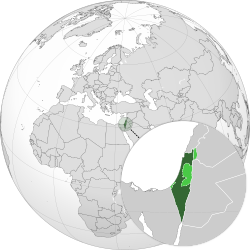
Israel Time: The World Revolves Around It
Introduction
Ever tried scheduling a global conference call? You navigate time zones, daylight savings, and a whole host of national holidays. It’s a calendar Tetris game, and invariably, one factor pops up, demanding respect and, let’s be honest, sometimes causing a bit of a headache: Israel Time.
It’s not just about knowing that Jerusalem is GMT+2 (or GMT+3 during Daylight Saving Time). It’s about the cultural and business rhythms that pulse distinctly in Israel, influencing everything from international finance to tech support availability. You might think, “Okay, just one country. How big of a deal can it be?” The truth is, because of Israel’s global connections and unique national observances, its time zone and business culture have a surprisingly significant impact on businesses, organizations, and individuals worldwide. Let’s delve into why Israel Time matters more than you might think, and what you can do to navigate it like a pro.
The Short-Term Impact: Missed Deadlines and Miscommunication
In the immediate term, misunderstanding Israel Time can lead to a whole host of problems. Imagine a European marketing team launching a global campaign. They schedule social media posts for what they believe is a strategic early morning slot. Unbeknownst to them, it’s a major Jewish holiday in Israel, and their tech support team – based in Tel Aviv – is offline. The campaign launches flawlessly everywhere except in a crucial market, resulting in lost engagement and potential revenue.
This scenario isn’t unique. Missed deadlines, delayed responses, and general communication breakdowns are frequent casualties of neglecting the nuances of Israel Time. We’re talking about companies struggling to coordinate project timelines, academic collaborations facing scheduling conflicts, and even simple things like booking calls with Israeli clients becoming a frustrating experience. The cost? Lost productivity, strained relationships, and, ultimately, financial losses.
Another short-term impact comes from unexpected holidays. Unlike many Western countries with fairly predictable public holidays, Israel’s calendar is filled with religious observances that shift dates each year based on the Hebrew calendar. This can create confusion, especially for those unfamiliar with the intricacies of Rosh Hashanah, Yom Kippur, Passover, and other significant dates. Imagine a crucial shipment held up at customs for several days due to a surprise holiday – the consequences can be detrimental.
The Long-Term Impact: Strained Relationships and Lost Opportunities
The consequences of disregarding Israel Time extend beyond immediate inconveniences. Over time, repeated scheduling mishaps and communication breakdowns can erode trust and damage business relationships. Israeli partners might perceive a lack of respect for their culture and traditions, leading to friction and a reluctance to collaborate.
Furthermore, companies that consistently fail to adapt to Israel Time can miss out on significant business opportunities. Imagine a venture capital firm based in Silicon Valley. If they consistently fail to schedule meetings effectively with Israeli startups, they risk losing out on investment opportunities in one of the world’s most innovative tech hubs. The long-term impact is a competitive disadvantage and a stunted growth potential.
On a broader scale, the failure to understand and respect Israel Time can contribute to cultural misunderstandings and reinforce negative stereotypes. This is particularly relevant in today’s interconnected world, where cultural sensitivity is paramount for successful global interactions.
Solutions: Mastering the Art of Israel Time Management
Fortunately, navigating Israel Time doesn’t require a degree in Hebrew studies. Here are some practical, applicable, and easy-to-understand solutions:
- The Double Calendar Approach: Implement a system where you maintain both your standard Gregorian calendar and a Hebrew calendar. Google Calendar allows you to add the Hebrew calendar alongside your standard calendar, providing a visual representation of Jewish holidays. This will provide a very clear picture of when these holidays are happening.
- Communicate, Communicate, Communicate: Don’t assume your Israeli colleagues or partners are aware of your local holidays. Openly discuss availability and scheduling constraints well in advance. Use phrases like, “We are closed for [Holiday] on [Date]. How does this impact our timeline?”
- Leverage Technology: Utilize time zone converters and scheduling tools like World Time Buddy or Every Time Zone. These tools allow you to easily visualize the time difference between your location and Israel, minimizing scheduling errors.
- Respect Shabbat: Remember that Shabbat (the Jewish Sabbath) runs from sundown on Friday to sundown on Saturday. Avoid scheduling meetings or expecting responses during this time. This demonstrates respect for religious practices and fosters goodwill.
- Embrace Flexibility: Be prepared to adjust your schedule to accommodate Israeli holidays or observances. This might involve working slightly different hours or being willing to reschedule meetings. Flexibility signals your commitment to a productive partnership.
Alternative Approaches: Tailoring Solutions to Your Needs
While the above solutions provide a solid foundation, consider these alternative approaches to further refine your Israel Time management strategy:
- Designated Point Person: Appoint a designated team member to be the “Israel Time Guru.” This person becomes the go-to resource for scheduling meetings, understanding cultural nuances, and managing communication with Israeli partners.
- Cross-Cultural Training: Invest in cross-cultural training for your team. This training can provide a deeper understanding of Israeli business culture, communication styles, and religious practices, fostering empathy and effective collaboration.
- Hybrid Work Schedules: Consider implementing flexible work schedules that allow team members in different time zones to overlap for crucial meetings or project deadlines. This approach can improve communication and collaboration.
- Build Local Relationships: If your organization frequently interacts with Israel, consider establishing a local presence or partnering with a local consultant. This can provide valuable insights into the Israeli market and facilitate smoother communication.
Case Study: A Tech Giant’s Success
A leading global technology company, facing frequent scheduling conflicts with their Israeli development team, implemented the “Double Calendar Approach” and provided cross-cultural training for their management team. They also designated a “Shabbat Contact” who would be available to handle urgent matters during the Sabbath, while respecting religious observance. Within six months, the company saw a significant improvement in communication efficiency, project delivery timelines, and overall team morale.
Conclusion: Embracing Time as a Bridge
Navigating Israel Time effectively is not just about avoiding scheduling errors; it’s about building stronger relationships, fostering cultural understanding, and unlocking new opportunities. By adopting the practical solutions and alternative approaches outlined above, you can transform the challenges of time zone differences into a competitive advantage.
The world doesn’t literally revolve around Israel Time, but its unique rhythm undoubtedly influences global business and collaboration. Instead of viewing it as a logistical hurdle, embrace it as a bridge to a vibrant and innovative nation. With a little planning, respect, and a willingness to adapt, you can harness the power of Israel Time to achieve your goals and build lasting partnerships. So, take action today, update your calendar, and start building bridges to a world of opportunities.