
“`html
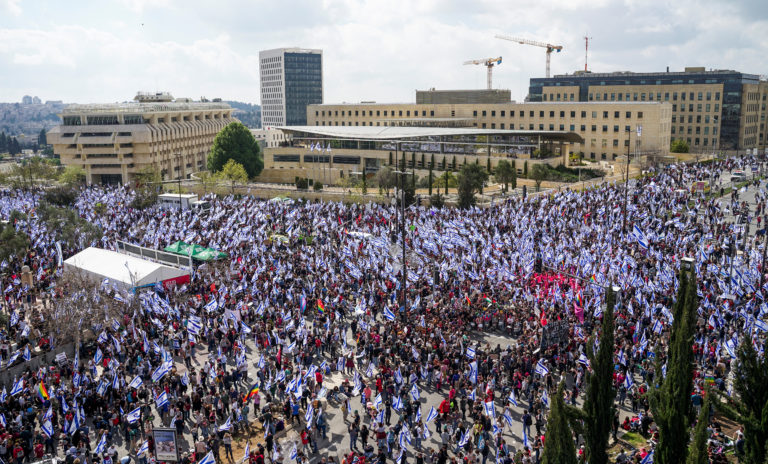
Israel on Edge: Unrest Grips Nation
Introduction
Israel, a land renowned for its historical significance, vibrant culture, and technological innovation, finds itself at a crossroads. A palpable sense of unease hangs in the air, a tension thick enough to cut with a knife. From bustling city centers to quiet rural communities, the nation is gripped by unrest, a complex tapestry woven from political division, economic anxieties, and deep-seated social fractures. But what exactly is fueling this turmoil, and what does it mean for the future of Israel?
Forget the idyllic postcards. The reality on the ground is far more nuanced and, frankly, worrying. The daily news cycle is a relentless barrage of protests, heated debates, and escalating tensions. This isn’t just about isolated incidents; it’s a systemic problem that threatens to unravel the very fabric of Israeli society. We’re talking about real people, real lives, and real anxieties that are shaping the country’s trajectory.
Explanation of the Problem
The Short-Term Sting: Daily Life Under Pressure
In the immediate term, the unrest is significantly impacting daily life. Imagine waking up to news of road blockades delaying your commute to work, or scrolling through social media feeds flooded with angry rhetoric and polarizing opinions. Businesses are facing disruptions, tourism is taking a hit, and the sense of personal security is dwindling. The constant tension seeps into everyday interactions, creating an atmosphere of suspicion and mistrust.
Economically, the short-term consequences are already visible. Foreign investment is becoming more cautious, and local businesses are struggling with uncertainty. The tourism industry, a vital source of revenue, is particularly vulnerable. Think about the ripple effect: fewer tourists mean fewer jobs, which translates to less income for families, ultimately affecting the overall economic stability.
Socially, the divisions are deepening. Families are finding themselves on opposite sides of heated political debates, friendships are strained, and the sense of national unity is eroding. This isn’t just about disagreeing on policy; it’s about questioning fundamental values and the future direction of the country.
Long-Term Shadows: A Future in the Balance
Looking beyond the immediate chaos, the long-term implications of this unrest are even more concerning. Imagine a future where political gridlock paralyzes decision-making, where economic inequality widens, and where social divisions become entrenched. This isn’t a dystopian fantasy; it’s a very real possibility if the underlying issues aren’t addressed.
The impact on Israel’s international standing is also significant. The unrest weakens its position on the global stage, making it more vulnerable to external pressures and potentially impacting its relationships with key allies. A nation divided is a nation weakened, and that has far-reaching consequences in a region as volatile as the Middle East.
Perhaps the most profound long-term impact is on the younger generation. Growing up in an environment of constant conflict and uncertainty can lead to feelings of disillusionment and hopelessness. If young Israelis lose faith in their country’s future, it could trigger a brain drain, with talented individuals seeking opportunities elsewhere, further weakening the nation’s potential.
Solutions
Turning the Tide: Practical Solutions for a Brighter Future
The good news is that it’s not too late to change course. While the challenges are significant, they are not insurmountable. The key lies in identifying practical, applicable solutions that address the root causes of the unrest and foster a sense of unity and shared purpose.
Here are a few approaches that could make a real difference:
- Inclusive Dialogue and Civic Engagement:
- The Idea: Create platforms for meaningful dialogue between different segments of Israeli society. This goes beyond superficial discussions and delves into understanding each other’s perspectives, addressing grievances, and building bridges of empathy.
- Practical Application: Organize town hall meetings, community workshops, and online forums that encourage open and respectful communication. Facilitate cross-cultural exchanges between different groups to promote understanding and break down stereotypes.
- Case Study: The “Givat Haviva International School” is a great example. Givat Haviva is an educational institution dedicated to advancing a shared society in Israel. It brings together Jewish and Arab students, educators, and community leaders to promote mutual understanding, respect, and cooperation.
- Economic Empowerment and Social Justice:
- The Idea: Address economic inequality and create opportunities for all Israelis to thrive. This means investing in education, job training, and entrepreneurship, particularly in underserved communities.
- Practical Application: Implement policies that promote fair wages, affordable housing, and access to quality healthcare. Provide support for small businesses and startups in marginalized areas.
- Case Study: Programs like “Kiva” can play a significant role. Kiva provides microloans to entrepreneurs, particularly in developing countries. A similar initiative focused on empowering small businesses in disadvantaged communities within Israel could have a significant impact.
- Strengthening Democratic Institutions and the Rule of Law:
- The Idea: Uphold the principles of democracy, transparency, and accountability. This means protecting freedom of speech, ensuring equal rights for all citizens, and combating corruption.
- Practical Application: Strengthen the independence of the judiciary, promote media literacy, and encourage civic participation in the political process. Implement reforms to ensure fair and transparent elections.
- Case Study: Look at countries with strong and independent judiciaries, like Canada or Germany. These nations provide examples of how a robust legal system can safeguard democratic values and protect individual rights.
- Investing in Education for Tolerance and Coexistence:
- The Idea: Integrate curricula that promote tolerance, understanding, and respect for diversity.
- Practical Application: Implement educational programs that teach students about different cultures, religions, and perspectives. Encourage critical thinking and media literacy to combat misinformation and prejudice.
- Case Study: Initiatives like “Seeds of Peace,” which brings together young people from conflict regions for dialogue and leadership training, demonstrate the power of education in fostering understanding and breaking down barriers.
- Collaborative Leadership and Compromise:
- The Idea: Encourage political leaders to prioritize the common good and seek compromise solutions that address the needs of all Israelis.
- Practical Application: Promote cross-party collaboration on key policy issues, create platforms for dialogue between political leaders from different backgrounds, and foster a culture of mutual respect and understanding.
- Case Study: The Good Friday Agreement in Northern Ireland serves as an example of how dialogue and compromise can lead to lasting peace, even in deeply divided societies.
These are just a few examples, and the specific solutions will need to be tailored to the unique context of Israeli society. The key is to adopt a holistic approach that addresses the underlying causes of the unrest and fosters a sense of shared purpose and responsibility.
Conclusion
A Call to Action: Building a Brighter Tomorrow
Israel is a nation with immense potential. Despite the current challenges, the spirit of innovation, resilience, and determination remains strong. The unrest gripping the nation is a wake-up call, a reminder that the future of Israel depends on its citizens’ ability to come together, address their differences, and build a society that is just, equitable, and inclusive.
The time for complacency is over. It’s time for action. Whether it’s participating in community dialogues, supporting organizations that promote social justice, or engaging in respectful political discourse, every individual has a role to play in shaping the future of Israel.
The road ahead won’t be easy, but the rewards are immeasurable. A unified, prosperous, and peaceful Israel is not just a dream; it’s an achievable goal. By embracing dialogue, promoting economic empowerment, strengthening democratic institutions, investing in education, and fostering collaborative leadership, Israelis can turn the tide and build a brighter future for generations to come. Let’s choose hope over despair, unity over division, and action over apathy. The future of Israel is in our hands.
“`