
Israel on Edge: Today’s Developments Threaten Fragile Peace
Introduction
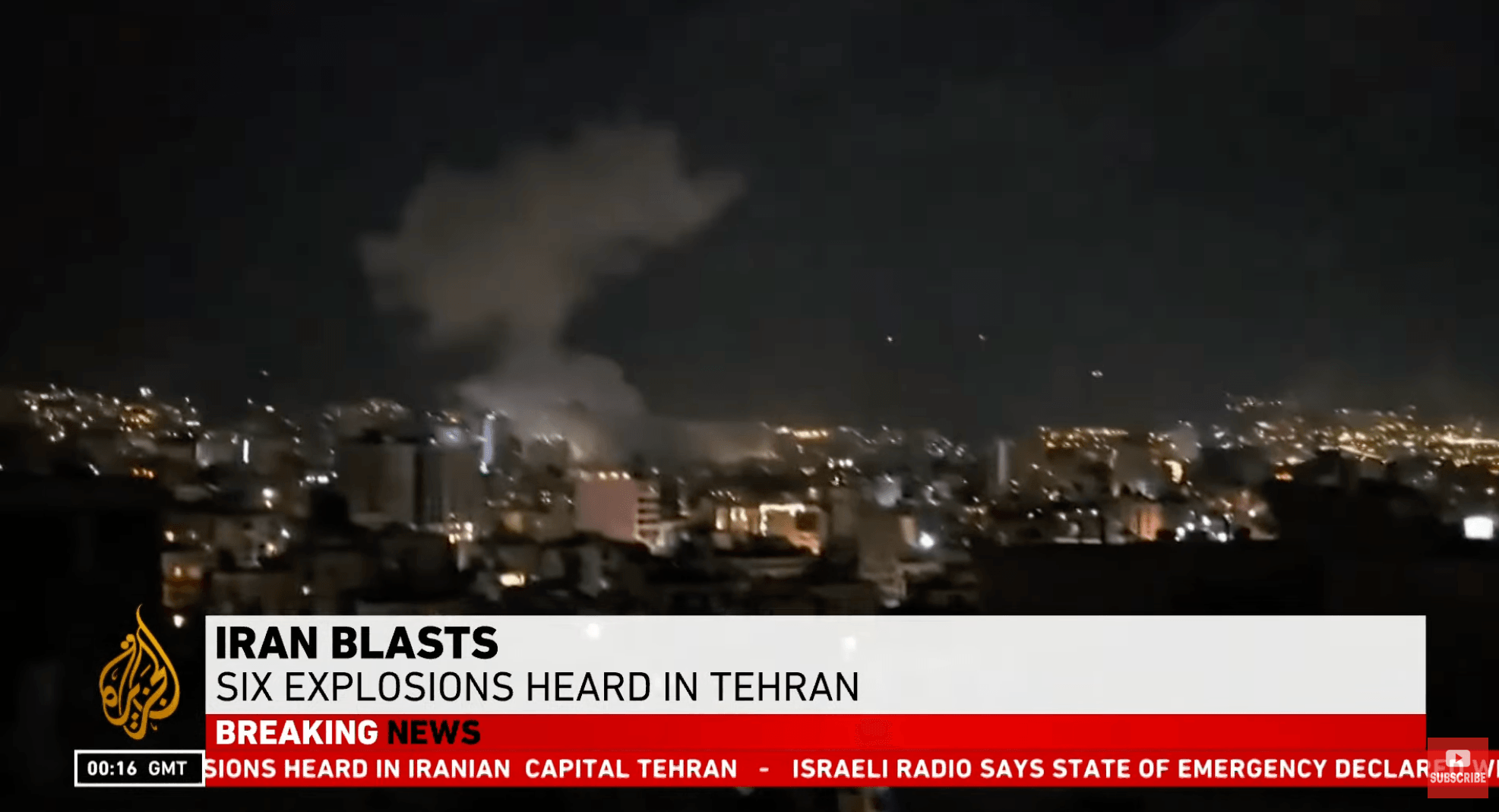
The air in Israel is thick with tension. It’s a tension many are sadly accustomed to, but that doesn’t make it any less unsettling. Recent events, from escalating skirmishes along the Gaza border to heightened rhetoric in political circles, have pushed the already delicate peace into precarious territory. It’s like a tightrope walker suddenly facing a gust of wind – the balance is threatened, and the stakes are incredibly high.
What exactly is happening, and why should you care? This isn’t just about headlines; it’s about the lives, livelihoods, and future of millions of people. More importantly, it touches on the global struggle for stability and understanding in a world that desperately needs both. Let’s break down what’s going on and, more importantly, what can be done to navigate these choppy waters.
The Tinderbox: A Look at the Immediate Flashpoints
Over the past few weeks, a series of incidents have contributed to the current crisis:
- Renewed Clashes at the Gaza Border: Increased activity by militant groups in Gaza, coupled with Israeli military responses, has led to a spike in violence. These aren’t just isolated incidents; they fuel a cycle of retaliation and distrust.
- Political Instability: The Israeli political landscape remains fractured, with a coalition government struggling to maintain unity. This internal division makes it harder to address external threats effectively and negotiate peace agreements.
- Settlement Expansion: Continued construction of settlements in the West Bank continues to be a significant point of contention, viewed by Palestinians and much of the international community as an obstacle to a two-state solution.
These are just the immediate sparks. Underneath, lies a complex web of historical grievances, economic disparities, and deeply entrenched ideological differences.
The Long Game: What’s at Stake for the Future?
The short-term consequences of this escalating tension are clear: more violence, more suffering, and more instability. But what about the long-term impact?
- Erosion of Trust: Each new conflict further erodes trust between Israelis and Palestinians, making future peace negotiations even more difficult.
- Radicalization: When people feel hopeless and unheard, they are more susceptible to radical ideologies. This can lead to a new generation embracing extremism and violence.
- Regional Instability: The Israeli-Palestinian conflict has always had a ripple effect throughout the Middle East. An escalation could destabilize the entire region, potentially drawing in other countries and exacerbating existing conflicts.
- Economic Stagnation: Constant conflict stifles economic growth, hindering opportunities for both Israelis and Palestinians. This creates a vicious cycle of poverty and despair, further fueling the conflict.
Building Bridges: Practical Solutions for a Lasting Peace
So, what can be done? It’s easy to feel overwhelmed, but inaction is not an option. Here are some practical solutions that can contribute to a more peaceful future:
- Economic Cooperation:
- Focus:Joint economic projects can create mutual benefits and foster cooperation.
- How:Develop initiatives that promote trade, investment, and job creation in both Israel and Palestine.
- Example:The Rawabi project, a planned Palestinian city in the West Bank, has created jobs for Palestinians and Israelis, demonstrating that economic cooperation is possible even in a conflict zone.
- People-to-People Initiatives:
- Focus:Building trust and understanding through direct interaction.
- How:Support programs that bring Israelis and Palestinians together for dialogue, education, and cultural exchange.
- Example:Programs like “Seeds of Peace” bring young Israelis and Palestinians together for summer camps and leadership training, fostering empathy and understanding.
- Educational Reform:
- Focus:Challenging stereotypes and promoting tolerance in schools.
- How:Develop curricula that teach about the history, culture, and perspectives of both Israelis and Palestinians.
- Example:Create educational materials that highlight shared values and common goals, while also acknowledging the historical injustices and grievances on both sides.
- Community-Based Peacebuilding:
- Focus:Empowering local communities to resolve conflicts and promote reconciliation.
- How:Support grassroots organizations that work to build relationships between Israelis and Palestinians at the local level.
- Example:Organizations like the Parents Circle-Families Forum, which brings together bereaved Israeli and Palestinian families, demonstrate the power of shared grief to foster empathy and reconciliation.
- Sustainable Development and Environmental Cooperation:
- Focus:Addressing shared environmental challenges through joint projects.
- How:Develop initiatives that focus on water management, renewable energy, and conservation.
- Example:Joint projects to develop sustainable water resources, as water scarcity is a significant issue affecting both Israelis and Palestinians, could create mutual benefits and foster cooperation.
- Investing in Civil Society:
- Focus:Supporting organizations that promote human rights, democracy, and the rule of law.
- How:Provide financial and technical assistance to organizations that work to protect the rights of both Israelis and Palestinians.
- Example:Support organizations that advocate for equal rights and justice for all, regardless of their nationality or ethnicity.
- Media Literacy and Responsible Reporting:
- Focus:Promoting balanced and accurate reporting to counter misinformation and propaganda.
- How:Support media organizations that provide objective coverage of the conflict and promote dialogue and understanding.
- Example:Encourage media outlets to provide context and perspective on the issues, rather than sensationalizing events or promoting biased narratives.
- Digital Diplomacy and Online Engagement:
- Focus:Utilizing social media and online platforms to promote dialogue and understanding.
- How:Encourage online discussions and exchanges between Israelis and Palestinians, and use digital platforms to share stories of hope and reconciliation.
- Example:Create online forums where Israelis and Palestinians can share their experiences and perspectives, and use social media to promote initiatives that bring people together.
Choosing the Right Path: Tailoring Solutions to Your Role
Not every solution will be right for everyone. Consider these options based on your own capacity and influence:
- For Individuals:Support organizations working on the ground. Educate yourself and others about the conflict. Engage in respectful dialogue with people who have different perspectives.
- For Businesses:Invest in joint ventures that create economic opportunities for both Israelis and Palestinians. Promote ethical and responsible business practices.
- For Policymakers:Advocate for policies that promote peace, justice, and equality. Support international efforts to mediate the conflict.
- For Educators:Incorporate balanced perspectives on the conflict into curricula. Facilitate discussions that encourage critical thinking and empathy.
A Reason for Hope: Embracing Action and Building a Better Future
The situation in Israel is undoubtedly complex and challenging. But it’s not hopeless. By understanding the root causes of the conflict, exploring practical solutions, and taking action in our own spheres of influence, we can contribute to a more peaceful and just future.
The path to peace may be long and arduous, but it is a path worth traveling. It requires courage, commitment, and a willingness to challenge our own biases and assumptions. But the rewards are immeasurable: a future where Israelis and Palestinians can live together in peace, security, and prosperity.
Don’t let the headlines discourage you. Let them inspire you to take action. Every small step contributes to a larger movement for peace. The future of Israel, and indeed the entire region, depends on it. Let’s get to work.