
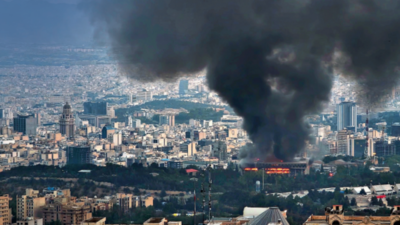
Israel on Edge: Tensions Flare
Introduction
The air in Israel feels thick these days. Not just with the desert heat, but with a palpable tension that hums beneath the surface of everyday life. It’s a feeling anyone who’s spent time in the region can recognize – a low-grade anxiety fueled by a complex mix of political instability, security concerns, and deeply rooted historical grievances. It’s a feeling that, unfortunately, seems to be spiking again.
We’re not talking about a sudden, cataclysmic event, but a slow burn. A series of escalating incidents, inflammatory rhetoric, and a general sense of unease that’s leaving many Israelis feeling, well, on edge. From the ever-present threat of rocket fire from Gaza to simmering unrest in the West Bank and the ongoing political gridlock within the country, the challenges facing Israel are multifaceted and interconnected.
So, what’s really going on, and more importantly, what can be done about it? Let’s unpack the current situation, explore the potential consequences, and, crucially, look at some practical pathways toward a more stable and peaceful future.
A Perfect Storm of Instability
Several factors are contributing to the current climate of tension. Firstly, the political landscape within Israel remains fractured. The country has seen multiple elections in recent years, each yielding inconclusive results and leading to fragile coalition governments. This political uncertainty makes it difficult to address critical issues effectively, from economic reforms to long-term security strategies. The absence of a strong, stable government creates a vacuum that can be exploited by extremist elements on all sides.
Secondly, the security situation in the West Bank continues to be a major source of friction. Increased settlement activity, coupled with the daily realities of occupation, fuels resentment among Palestinians and leads to frequent clashes. Recent raids by Israeli security forces, often targeting suspected militants, have further inflamed tensions. The lack of progress towards a two-state solution, and the persistent expansion of settlements, only exacerbates the problem, leaving many Palestinians feeling hopeless and disenfranchised.
Thirdly, the situation in Gaza remains volatile. While large-scale conflicts have been less frequent in recent years, the underlying issues – the blockade imposed by Israel and Egypt, the dire economic conditions, and the presence of Hamas – continue to simmer. Periodic rocket fire from Gaza into Israel, and retaliatory airstrikes by Israel, serve as a constant reminder of the fragility of the ceasefire agreements.
These three factors – political instability, security concerns in the West Bank, and the volatile situation in Gaza – are interconnected and mutually reinforcing. They create a complex and challenging environment that requires a comprehensive and nuanced approach.
Short-Term Pain, Long-Term Consequences
The short-term consequences of the current tensions are already evident. Increased security measures, heightened anxiety among the population, and the disruption of daily life are all taking a toll. Businesses suffer, tourism declines, and the overall sense of security deteriorates. Perhaps even more damaging is the erosion of trust between Israelis and Palestinians, making future cooperation even more difficult.
Looking further ahead, the long-term consequences could be even more severe. Continued instability could lead to a full-scale conflict, with devastating consequences for both Israelis and Palestinians. The erosion of democratic institutions, the radicalization of populations, and the deepening of regional divisions are all potential risks. A failure to address the underlying issues could lead to a future of perpetual conflict, with little hope for a peaceful resolution.
Beyond the immediate region, the instability in Israel-Palestine also has wider geopolitical implications. It can be exploited by regional actors seeking to destabilize the region, and it undermines efforts to promote peace and security in the Middle East. The conflict also has a significant impact on international relations, dividing nations and hindering efforts to address other pressing global challenges.
Pathways to Peace: Practical Solutions
So, what can be done? The challenges are immense, but not insurmountable. The key lies in adopting a multi-pronged approach that addresses the root causes of the conflict and creates a more stable and equitable environment. Here are some practical solutions:
- Reinvigorate the Peace Process: This may sound like a cliché, but there’s no escaping the fact that a viable two-state solution remains the best path towards a lasting peace. This requires a renewed commitment from both sides, as well as active engagement from the international community. This means returning to the negotiating table, addressing core issues such as borders, settlements, and the status of Jerusalem, and working towards a fair and just agreement that respects the rights of both Israelis and Palestinians.
- Example: The Oslo Accords, despite their ultimate failure, demonstrated the potential for direct negotiations between Israelis and Palestinians. A renewed effort, based on lessons learned from the past, could yield more positive results.
- Economic Development: Addressing the economic disparities between Israelis and Palestinians is crucial for building a more stable and equitable society. This requires investing in infrastructure, creating jobs, and promoting economic growth in the West Bank and Gaza. Improving the living conditions of Palestinians will help reduce resentment and create a more positive environment for peace.
- Example: The establishment of joint Israeli-Palestinian economic zones could create jobs and foster cooperation, benefiting both sides.
- Confidence-Building Measures: Small, practical steps can go a long way towards building trust between Israelis and Palestinians. This includes easing restrictions on movement, releasing prisoners, and promoting people-to-people exchanges. These measures can help humanize the “other side” and create a more positive environment for negotiations.
- Example: Initiatives that bring together Israeli and Palestinian youth to learn about each other’s cultures and perspectives can help break down stereotypes and build bridges of understanding.
- Strengthening Civil Society: Supporting civil society organizations working to promote peace, human rights, and reconciliation is essential. These organizations play a vital role in building bridges between Israelis and Palestinians, advocating for policy changes, and holding leaders accountable.
- Example: Organizations like “Combatants for Peace,” which brings together former Israeli soldiers and Palestinian fighters to work for peace, demonstrate the power of grassroots activism.
- Regional Cooperation: Engaging with other countries in the region can help create a more supportive environment for peace. This includes working with Arab states to promote dialogue and cooperation, and engaging with international organizations to address the underlying causes of the conflict.
- Example: The Abraham Accords, while controversial, demonstrate the potential for normalization agreements between Israel and Arab states to create new opportunities for cooperation and trade.
Alternative Approaches: Thinking Outside the Box
While the traditional two-state solution remains the most widely discussed framework, it’s worth exploring alternative approaches that could potentially break the deadlock. These include:
- Confederation: A confederation would involve two independent states – Israel and Palestine – linked by a shared set of institutions and agreements. This could allow for greater cooperation on issues such as security, infrastructure, and economic development, while preserving the sovereignty of both states.
- One-State Solution: This controversial approach would involve the creation of a single, bi-national state encompassing Israel, the West Bank, and Gaza. However, this model raises concerns about the protection of minority rights, the demographic balance, and the potential for ongoing conflict.
- Incremental Steps: Rather than attempting to achieve a comprehensive peace agreement all at once, this approach focuses on taking small, incremental steps towards a more peaceful future. This could involve improving economic conditions, easing restrictions on movement, and promoting cooperation on specific issues.
A Call to Action: Moving Forward with Hope
The situation in Israel-Palestine is undoubtedly complex and challenging, but it is not hopeless. By adopting a multi-pronged approach that addresses the root causes of the conflict, and by exploring alternative solutions, we can create a more stable and equitable future for both Israelis and Palestinians.
This requires a renewed commitment from leaders on both sides, as well as active engagement from the international community. But it also requires a change in mindset – a willingness to listen to the other side, to understand their concerns, and to work together towards a common goal.
The path to peace will not be easy, but it is a path worth pursuing. By embracing dialogue, promoting cooperation, and working towards a more just and equitable future, we can create a region where Israelis and Palestinians can live side by side in peace and security. The time to act is now. Let’s not allow the current tensions to define the future. Let’s choose a path of hope, a path of peace, and a path of shared prosperity. The future of Israel, and the future of Palestine, depends on it.