
“`html
Israel on Edge: Latest Developments Demand Global Attention
Introduction
Okay, let’s be real. The news coming out of Israel lately hasn’t exactly been a walk in the park. It feels like every other day there’s another headline flashing across our screens – another flare-up, another tension point ratcheting up the pressure. It’s enough to make anyone feel a little overwhelmed, and maybe even a little helpless.
But here’s the thing: turning a blind eye isn’t an option. What’s happening in Israel has ripple effects that stretch far beyond its borders. It impacts global politics, the economy, and even our own sense of security. That’s why understanding the current situation – the underlying tensions, the potential consequences, and, most importantly, what we can *do* about it – is more crucial than ever.
So, grab a coffee, settle in, and let’s break down what’s happening, why it matters, and what constructive solutions we can explore. We’ll try to keep it straightforward and jargon-free, because frankly, we could all use a little clarity right now.
The Tinderbox Situation: A Quick Overview
The situation in Israel, and the surrounding region, is…complex. That’s the understatement of the century, right? But let’s cut through the noise and identify some of the core issues driving the current tensions:
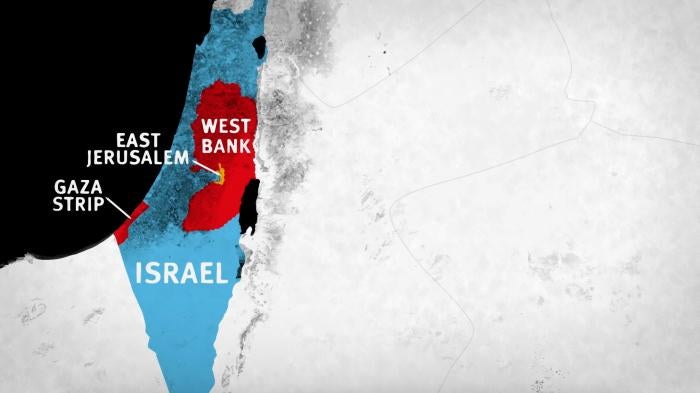
- The Israeli-Palestinian Conflict: This is the elephant in the room, the decades-long struggle over land, self-determination, and security. Recent escalations in violence in the West Bank, coupled with ongoing political gridlock, have only deepened the divide.
- Regional Power Dynamics: Israel isn’t operating in a vacuum. The influence of Iran, the shifting alliances in the Middle East, and the involvement of global powers all play a significant role in shaping the landscape.
- Internal Political Instability: Israel’s own internal political struggles have created a volatile environment. Shifting coalitions and persistent political divides can make it difficult to address these issues effectively.
These factors intertwine, creating a situation that’s volatile and unpredictable. It’s like a pressure cooker, and recent events have only turned up the heat.
Short-Term Pain, Long-Term Consequences
So why should you, sitting wherever you are in the world, care about what’s happening in Israel? Here’s the thing. The short-term impacts of escalating tensions are immediately visible:
- Humanitarian Crisis: Increased violence leads to casualties, displacement, and a strain on resources. The impact on civilians, especially women and children, is devastating. We’ve seen this play out time and again in recent years.
- Regional Instability: Conflicts rarely stay contained. Escalation can draw in neighboring countries, leading to a wider regional crisis. Remember the Arab Spring? These things can quickly spiral out of control.
But the long-term consequences are just as worrying, if not more so:
- Erosion of Trust: Continued conflict deepens the mistrust between Israelis and Palestinians, making a future peace agreement even harder to achieve. This perpetuates a cycle of violence that’s difficult to break.
- Radicalization: Frustration and despair can lead to increased support for extremist groups, both within Israel and the Palestinian territories. This poses a threat not only to the region but also to global security.
- Economic Impact: Instability discourages investment and disrupts trade, hindering economic growth and development in the region. This has ripple effects on the global economy, particularly in the energy sector.
- Damage to International Relations: The conflict can strain relationships between countries, particularly those with strong ties to either Israel or the Palestinian territories. This can complicate efforts to address other global challenges.
Turning the Tide: Practical Solutions We Can Explore
Okay, so the picture isn’t pretty. But here’s the good news: we’re not powerless. There are concrete steps that can be taken to de-escalate tensions and move towards a more peaceful future. Here are a few practical solutions, and how they could work:
- Revitalizing Diplomacy and Dialogue: This might seem obvious, but it’s crucial. We need to get all parties back to the negotiating table, and that means involving not just Israel and the Palestinian Authority, but also key regional and international players.
- Example: The Oslo Accords, despite their shortcomings, demonstrated the power of direct dialogue. We need to build on those lessons and create a new framework for negotiations.
- Economic Development and Empowerment: Poverty and lack of opportunity fuel resentment and despair. Investing in economic development in both Israel and the Palestinian territories can create jobs, improve living standards, and offer hope for a better future.
- Example: The USAID’s work in supporting Palestinian businesses has shown that targeted investments can make a real difference in people’s lives.
- Security Cooperation and De-escalation: Improving security cooperation between Israeli and Palestinian security forces can help prevent violence and build trust. This includes sharing intelligence, coordinating patrols, and establishing clear lines of communication.
- Example: Joint security operations in the past have shown that cooperation is possible, even in times of tension.
- Grassroots Peacebuilding Initiatives: Peace isn’t just made at the negotiating table. It’s also built on the ground, through people-to-people initiatives that promote understanding and empathy.
- Example: Organizations like Seeds of Peace bring together young people from different backgrounds to build relationships and challenge stereotypes.
- Accountability and Justice: Holding perpetrators of violence accountable, regardless of their background, is essential for restoring trust and preventing future abuses. This includes investigating allegations of human rights violations and ensuring that victims have access to justice.
- Example: The International Criminal Court’s investigation into alleged war crimes in the Palestinian territories could play a role in promoting accountability.
Choosing Your Path: Alternative Approaches
There’s no one-size-fits-all solution to this complex problem. Different approaches will appeal to different people, and that’s okay. Here are a few alternative approaches to consider:
- Top-Down vs. Bottom-Up: Some believe that a comprehensive peace agreement is the only way to resolve the conflict. Others argue that progress must be made at the grassroots level, through building trust and fostering cooperation. Both approaches have merit, and they can complement each other.
- Incremental vs. Transformative Change: Some advocate for incremental steps, such as improving economic conditions or easing restrictions on movement. Others believe that a fundamental shift in the political landscape is needed, such as a two-state solution or a confederation. Again, both approaches can be valuable, depending on the context.
- Focus on Security vs. Focus on Justice: Some prioritize security for Israelis, while others prioritize justice for Palestinians. Finding a balance between these two competing needs is essential for achieving a sustainable peace.
A Call to Action: From Awareness to Engagement
Okay, we’ve covered a lot of ground. But knowledge without action is just information. So, what can *you* do to make a difference?
- Stay Informed: Keep up-to-date on the latest developments in Israel and the Palestinian territories. Read news from a variety of sources, and be critical of the information you consume.
- Support Organizations Working for Peace: There are many organizations, both in Israel and internationally, that are working to promote peace and justice. Donate your time or money to support their efforts.
- Advocate for Change: Contact your elected officials and let them know that you care about this issue. Urge them to support policies that promote peace, justice, and human rights.
- Engage in Dialogue: Talk to people who have different perspectives on the conflict. Listen to their stories, and try to understand their point of view.
- Challenge Hate Speech and Discrimination: Speak out against anti-Semitism, Islamophobia, and other forms of hate speech. Promote tolerance and understanding in your community.
The situation in Israel is undoubtedly challenging, but it’s not hopeless. By staying informed, getting involved, and advocating for change, we can all play a role in building a more peaceful future. It’s a long road, but every step counts. The world is watching, and our actions matter. Let’s choose to act with hope, with determination, and with a commitment to building a better tomorrow.
“`