
Israel: Between Resilience and Reckoning
Introduction
Israel. The name itself conjures a whirlwind of images: ancient history echoing through sun-baked streets, bustling markets overflowing with spices and chatter, and a society constantly navigating the complexities of the modern world. It’s a nation forged in resilience, a testament to the human spirit’s ability to thrive against seemingly insurmountable odds. Yet, beneath the surface of innovation and dynamism lies a reckoning – a persistent struggle to reconcile its past, navigate its present, and secure its future. This isn’t just a political analysis; it’s a glimpse into the heart of a nation grappling with challenges that resonate far beyond its borders.
The Immediate Aftermath and Lingering Wounds
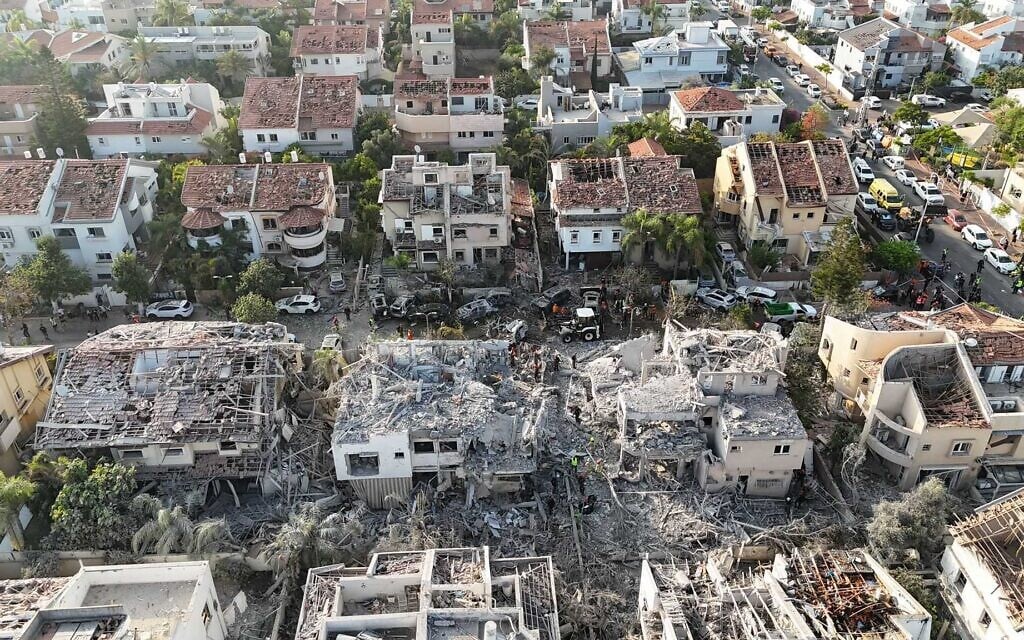
The recent surge in conflict has thrown Israel into a period of intense introspection and uncertainty. The immediate impacts are devastatingly clear: lives lost, families shattered, and a deep-seated sense of vulnerability permeating the nation. Beyond the immediate human cost, the economy is reeling. Tourism, a vital sector, has plummeted. Businesses, already struggling with global economic headwinds, face further disruption. The ripple effects extend to everyday life, impacting everything from consumer confidence to investment decisions.
But the short-term consequences are only the tip of the iceberg. The long-term implications are far more insidious. Trauma lingers, particularly among those who have witnessed violence firsthand. Mental health services are stretched thin, and the psychological scars of conflict can take generations to heal.
Perhaps the most significant long-term impact is the deepening divide within Israeli society itself. The conflict has exacerbated existing tensions between different ethnic and religious groups, creating a climate of mistrust and animosity. This internal fragmentation weakens the social fabric and makes it harder to forge a unified national identity. Consider the challenges faced by families with loved ones serving in the military, constantly living with the fear of the unknown. Or the emotional toll on healthcare workers, witnessing unimaginable suffering day after day. These experiences leave lasting marks, shaping perspectives and influencing future generations.
Navigating the Path Forward: Practical Solutions
So, where does Israel go from here? The challenges are daunting, but not insurmountable. The key lies in a multi-pronged approach that addresses both the immediate needs and the long-term structural issues.
- Prioritizing Trauma-Informed Care: This is not just about providing therapy; it’s about creating a society that understands and responds to trauma. This includes training educators, healthcare professionals, and community leaders to recognize and address the signs of trauma. For example, schools could implement programs that focus on emotional regulation and conflict resolution. Workplaces can offer employee assistance programs that provide access to mental health services.
- Investing in Inclusive Economic Growth: Inequality fuels resentment and contributes to social unrest. Investing in education, job training, and affordable housing in marginalized communities can help bridge the gap between the haves and have-nots. Programs like micro-lending initiatives can empower small businesses and create economic opportunities in underserved areas.
- Fostering Dialogue and Reconciliation: This is perhaps the most challenging, but also the most crucial step. Creating platforms for open and honest dialogue between different groups can help break down stereotypes and build trust. This could involve community-based initiatives, interfaith dialogues, and educational programs that promote understanding and empathy.
- Strengthening Democratic Institutions: A strong and independent judiciary, a free press, and a vibrant civil society are essential for holding power accountable and ensuring that all voices are heard. Reforms to the electoral system can promote fairer representation and encourage greater participation in the political process.
Alternative Approaches: A Menu of Options
There is no one-size-fits-all solution. Israel needs to explore a range of approaches to find what works best for its unique circumstances.
- Track Two Diplomacy: These informal, off-the-record discussions between influential individuals can help build bridges and identify potential areas of compromise.
- Economic Incentives for Peace: Creating joint economic projects that benefit both Israelis and Palestinians can help foster cooperation and reduce incentives for conflict.
- Grassroots Peacebuilding Initiatives: Supporting local organizations that are working to build relationships and promote understanding at the community level can create a foundation for lasting peace.
The Road Ahead: Optimism and Action
The challenges facing Israel are immense, but so is its potential. By embracing a spirit of resilience, reckoning with its past, and committing to a future of inclusivity and justice, Israel can emerge from this period of turmoil stronger than ever.
This requires more than just political solutions; it requires a fundamental shift in mindset. It requires a willingness to listen to different perspectives, to empathize with those who have suffered, and to work together to build a better future for all.
The path forward will not be easy. There will be setbacks and disappointments along the way. But by staying focused on the long-term goal of a just and sustainable peace, and by empowering individuals and communities to take action, Israel can navigate the complexities of the present and build a future worthy of its name.
Don’t be a passive observer. Educate yourself on the issues, support organizations that are working for peace and justice, and use your voice to advocate for change. The future of Israel is not predetermined. It is shaped by the choices we make today. Let us choose a path of resilience, reconciliation, and hope.