
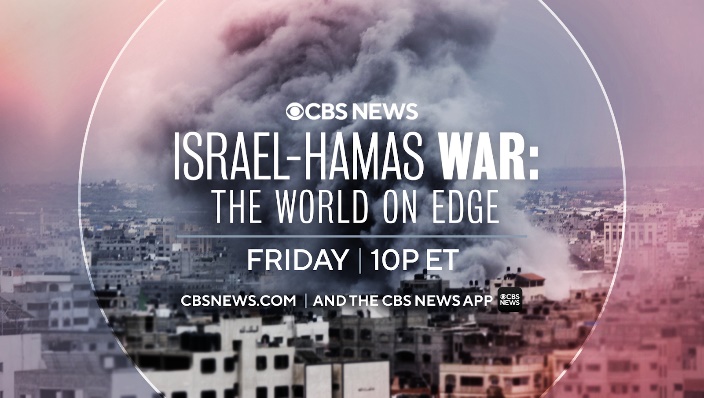
Israel at War: A World on Edge
Introduction
The air crackles with tension. Not just over Israel and Gaza, but globally. When rockets fly and borders are breached, the tremors reach far beyond the immediate conflict zone. We’re not just witnessing a regional crisis; we’re seeing a world holding its breath, wondering what comes next. This isn’t just another news headline; it’s a complex situation with deep roots and potentially far-reaching consequences for all of us. So, let’s unpack this, shall we? Let’s look at what’s happening, why it matters to you (even if you live thousands of miles away), and what, if anything, can be done.
The Immediate Fallout: A Humanitarian Crisis and Global Security Concerns
In the short term, the human cost is devastatingly clear. We’re talking about lives lost, families torn apart, and a humanitarian crisis unfolding in real-time. The images and stories are heartbreaking, and it’s impossible to ignore the suffering on both sides. Beyond the immediate tragedy, however, the conflict sparks concerns about global security. The potential for escalation is ever-present. Think about it: this conflict acts as a flashpoint, potentially drawing in other actors and destabilizing the entire region.
We’ve already seen increased tensions and protests in various countries, highlighting the deep divisions and sensitivities surrounding the Israeli-Palestinian conflict. This isn’t just about two sides fighting; it’s about a deeply entrenched narrative clash resonating across the globe. Governments worldwide are scrambling to navigate this complex situation, trying to balance diplomatic relations, manage domestic public opinion, and prevent further escalation.
The economic impact is also already being felt. The conflict has disrupted trade routes, impacted energy prices, and increased uncertainty in global markets. Investors are nervous, and businesses are reassessing their risk exposure in the region. This ripple effect can eventually touch everyone, from the price of gas at the pump to the stability of your investment portfolio.
Long-Term Implications: A Shifting Global Landscape
Looking beyond the immediate crisis, the long-term implications are even more profound. This conflict could reshape the political landscape of the Middle East, potentially leading to new alliances and rivalries. It could also further fuel extremism and radicalization, creating a breeding ground for future conflicts.
The Israeli-Palestinian conflict has always been a major obstacle to peace and stability in the region. This latest escalation only exacerbates the existing challenges. It undermines efforts to find a lasting solution and further entrenches the positions of hardliners on both sides. The longer the conflict persists, the harder it becomes to break the cycle of violence.
Furthermore, the conflict impacts international relations. It strains alliances, exposes divisions within international organizations like the UN, and raises questions about the effectiveness of international diplomacy. The world is watching to see how different countries respond, and these responses will shape future geopolitical dynamics. Think about how countries choose to condemn or support each side – it has a lasting impact.
Finding a Path Forward: Practical Solutions for a Complex Problem
So, what can be done? The solutions aren’t simple, and there’s no magic wand to wave. But there are practical steps that can be taken to de-escalate the conflict and create a path towards a more peaceful future. Here are a few options:
- Diplomatic Engagement: This may seem obvious, but it’s crucial. We need sustained diplomatic efforts from international mediators to bring the parties together for negotiations. This means engaging with all relevant actors, including those who may be perceived as difficult or unwilling to compromise. The key is to create a space for dialogue and find common ground.
- Example: The Oslo Accords in the 1990s, while ultimately unsuccessful in achieving a lasting peace, demonstrated the potential of direct negotiations between Israelis and Palestinians.
- Humanitarian Aid and Support: Addressing the immediate humanitarian crisis is paramount. Providing food, water, medical supplies, and shelter to those affected by the conflict is not only a moral imperative but also a crucial step in building trust and preventing further suffering. International organizations and NGOs play a vital role in delivering this aid.
- Example: The work of organizations like Doctors Without Borders and the International Red Cross in providing medical assistance to those injured in the conflict.
- Economic Development: Investing in economic development in both Israel and Palestine can help create opportunities, reduce poverty, and foster a sense of hope. This can involve supporting small businesses, promoting job creation, and improving infrastructure. Economic prosperity can help create a more stable and peaceful environment.
- Example: Initiatives like the USAID’s Middle East Partnership Initiative, which supports economic, political, and educational reforms in the region.
- Strengthening Civil Society: Supporting civil society organizations that promote peace, reconciliation, and human rights is essential. These organizations can play a crucial role in bridging divides, fostering dialogue, and advocating for peaceful solutions. They can also help hold governments accountable and promote good governance.
- Example: Groups like Seeds of Peace, which brings together young people from different backgrounds to build understanding and promote coexistence.
- Addressing Root Causes: This is perhaps the most challenging but also the most important step. We need to address the root causes of the conflict, including issues related to land, security, and self-determination. This requires a comprehensive and long-term approach that addresses the legitimate grievances of both sides.
- Example: Initiatives aimed at resolving the refugee issue, addressing the status of Jerusalem, and establishing clear borders for a future Palestinian state.
Alternative Approaches: Thinking Outside the Box
Beyond these traditional solutions, it’s also worth exploring alternative approaches that could potentially break the deadlock.
- Regional Security Framework: Creating a regional security framework involving countries like Egypt, Jordan, and Saudi Arabia could help stabilize the region and provide security guarantees to both Israel and Palestine.
- International Trusteeship: In the short term, an international trusteeship over certain disputed territories could help ensure security and prevent further escalation.
- Grassroots Peacebuilding: Focusing on grassroots peacebuilding initiatives that bring together ordinary Israelis and Palestinians can help build bridges and foster understanding at the community level.
A Call to Action: Hope for a Better Future
The situation is undoubtedly complex and challenging, but it’s not hopeless. We can’t just stand by and watch. Every voice matters, and every action counts.
Here are a few things you can do:
- Stay informed: Educate yourself about the conflict and its complexities. Don’t rely on biased or sensationalized news sources.
- Support humanitarian organizations: Donate to organizations that are providing aid to those affected by the conflict.
- Advocate for peace: Contact your elected officials and urge them to support diplomatic efforts to resolve the conflict.
- Engage in dialogue: Talk to people with different perspectives and try to understand their viewpoints.
- Promote empathy and understanding: Use your voice to promote empathy and understanding for all those affected by the conflict.
The path to peace is long and arduous, but it’s a path worth pursuing. By taking action, we can all contribute to a more just and peaceful future for Israel, Palestine, and the world. The world is watching. Let’s show them that even in the face of seemingly insurmountable challenges, hope and progress are always possible. The future isn’t written in stone; it’s being written now, by all of us. Let’s write a future of peace, understanding, and cooperation.