
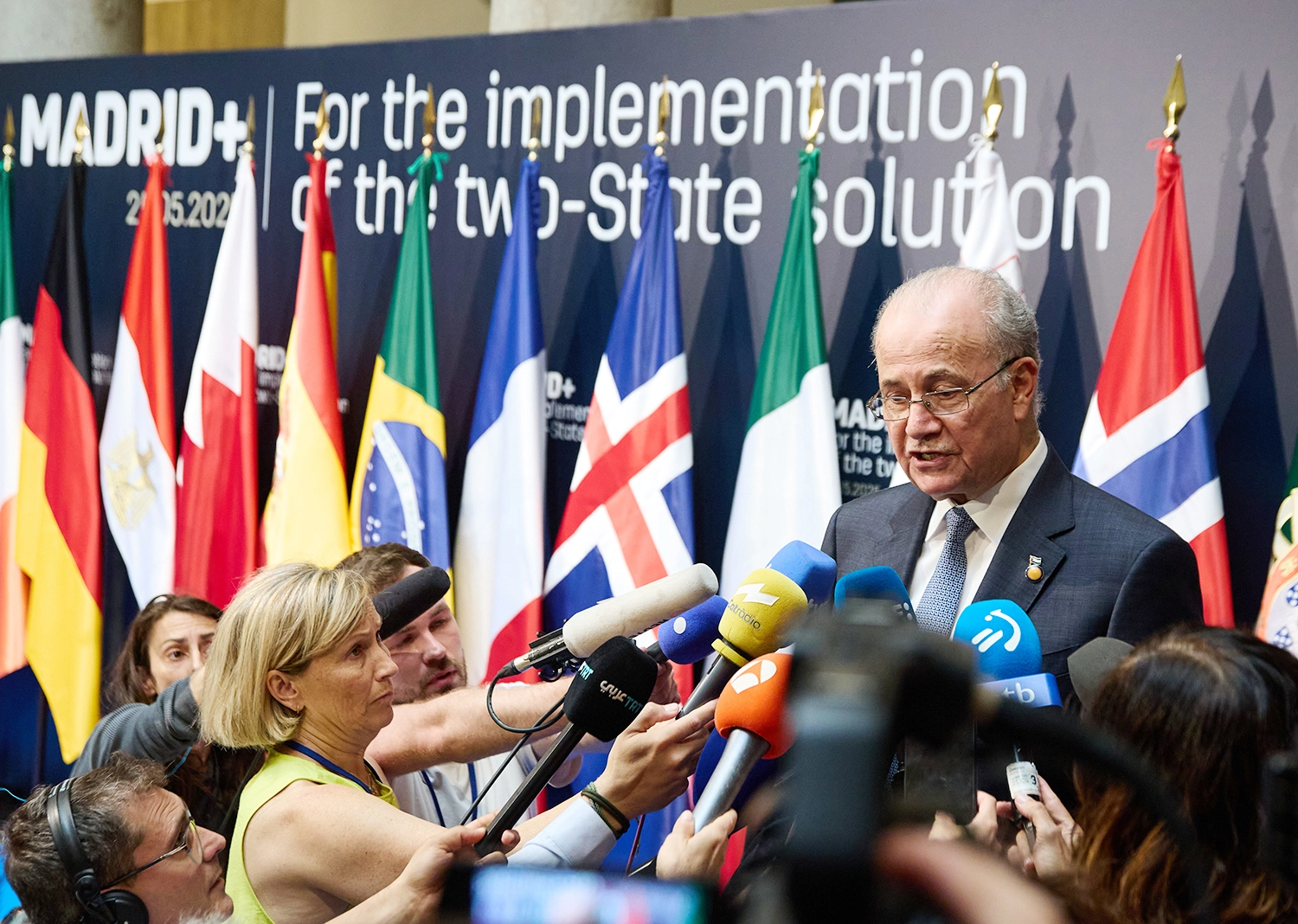
Israel at a Crossroads: Nation Faces Existential Choices
Introduction
Israel, a nation born from the ashes of history and forged in the crucible of conflict, stands at a precipice. It’s a nation brimming with innovation, a global leader in technology, and a beacon of resilience. But beneath the surface of its vibrant society, a series of complex and interwoven challenges threaten to unravel the delicate tapestry of its future. It’s not hyperbole to say that the coming years will define the Israel that future generations inherit. So, what exactly is putting Israel at this crossroads, and more importantly, what can be done about it?
We’re not talking about a single, looming catastrophe. Instead, it’s a confluence of factors: internal divisions, the ongoing Israeli-Palestinian conflict, shifting geopolitical landscapes, and a rapidly evolving societal identity. Imagine a skilled tightrope walker navigating a turbulent windstorm – that’s a fitting analogy for Israel today. The wind represents these interconnected pressures, and the consequences of a misstep are, frankly, existential.
The Short-Term Pain, Long-Term Consequences
In the short term, these challenges manifest in familiar ways: political gridlock, cycles of violence, and a growing sense of unease about the future. The highly polarized political landscape, characterized by deep divisions on issues of security, religion, and socio-economic policy, makes it difficult to forge consensus and enact meaningful reforms. We see this play out in the frequent shifts in government and the struggles to maintain stable coalitions.
The Israeli-Palestinian conflict remains a persistent source of instability. Even without large-scale escalations, the daily realities of occupation, displacement, and limited opportunities fuel resentment and make a lasting peace seem ever more elusive. This constant state of tension saps resources, diverts attention from other pressing issues, and impacts Israel’s international standing.
But these short-term pains are merely symptoms of deeper, more fundamental challenges that will have profound long-term consequences.
Explanation of the Problem
Long-Term Impacts:
- Erosion of Democratic Values: The increasing polarization of Israeli society and the persistent unresolved conflict could lead to a gradual erosion of democratic principles. We might see increased restrictions on freedom of speech, assembly, and association, particularly for those critical of government policies.
- Demographic Shifts: The demographic balance within Israel and the occupied territories is constantly shifting. Without a resolution to the Israeli-Palestinian conflict, the prospect of a one-state reality with an Arab majority becomes increasingly plausible. This raises profound questions about Israel’s identity as a Jewish and democratic state.
- Economic Strain: The ongoing security situation and the associated military expenditures place a significant burden on the Israeli economy. This could lead to reduced investment in education, healthcare, and other essential services, hindering long-term economic growth and widening social inequalities.
- International Isolation: Israel’s actions in the occupied territories and its perceived unwillingness to engage in meaningful peace negotiations have led to increasing international criticism and calls for sanctions. This isolation could damage Israel’s diplomatic relations, limit its access to international markets, and undermine its strategic alliances.
- Brain Drain: A sense of unease about the future and limited opportunities in a conflict-ridden environment could lead to a “brain drain,” with talented Israelis emigrating to other countries in search of a more stable and prosperous life. This would deprive Israel of its most valuable asset: its human capital.
Solutions
Practical Solutions: A Multi-Pronged Approach
Addressing these existential challenges requires a multi-pronged approach that tackles both the immediate symptoms and the underlying causes. There’s no silver bullet, but a combination of strategic initiatives can create a more sustainable and equitable future for Israel.
1. Fostering Internal Unity and Dialogue:
- Civic Education Programs: Investing in comprehensive civic education programs that promote tolerance, mutual understanding, and democratic values is crucial. These programs should target young people and adults from diverse backgrounds, fostering a sense of shared citizenship and responsibility.
- Example: Initiatives like “Givat Haviva,” which brings together Jewish and Arab students for dialogue and joint projects, can serve as a model for expanding civic engagement across the country.
- Promoting Inclusive Economic Growth: Addressing socio-economic disparities and creating equal opportunities for all citizens is essential for building a more cohesive society. This requires investing in education, vocational training, and affordable housing in underserved communities.
- Reform the Electoral System: Consider electoral reforms that promote coalition building and encourage broader representation of different political viewpoints. This could lead to more stable governments and a greater sense of inclusivity in the political process.
2. Revitalizing the Peace Process:
- Confidence-Building Measures: Implementing confidence-building measures, such as easing restrictions on Palestinian movement and trade, can help create a more positive environment for negotiations.
- Exploring Alternative Solutions: Re-evaluating traditional peace frameworks and exploring alternative solutions, such as confederation or regional partnerships, may be necessary to break the current deadlock.
- International Mediation: Engaging international mediators with a proven track record of success can help facilitate constructive dialogue and bridge the gaps between the parties. Norway’s role in brokering the Oslo Accords offers a valuable example.
3. Strengthening Democratic Institutions:
- Protecting Freedom of Speech and Assembly: Upholding the principles of freedom of speech and assembly is essential for maintaining a vibrant and democratic society. Laws and policies that restrict these freedoms should be carefully scrutinized and reformed.
- Ensuring Judicial Independence: Protecting the independence of the judiciary from political interference is crucial for ensuring the rule of law and safeguarding the rights of all citizens.
- Promoting Transparency and Accountability: Enhancing transparency and accountability in government operations can help build public trust and reduce corruption.
4. Investing in Sustainable Development:
- Promoting Renewable Energy: Investing in renewable energy sources can reduce Israel’s dependence on fossil fuels and create new economic opportunities.
- Addressing Water Scarcity: Implementing innovative water management strategies, such as desalination and water conservation, is crucial for ensuring a sustainable water supply for future generations.
- Promoting Green Technologies: Investing in green technologies can help create new jobs, reduce pollution, and improve the quality of life for all citizens.
Alternative Approaches:
Beyond these core strategies, there are several alternative approaches that could be explored:
- Regional Economic Integration: Fostering greater economic integration with neighboring countries, including Jordan, Egypt, and the Palestinian territories, could create new opportunities for trade, investment, and job creation.
- A “Marshall Plan” for the Palestinian Territories: Launching a comprehensive economic development plan for the Palestinian territories, similar to the Marshall Plan after World War II, could help alleviate poverty, create jobs, and reduce resentment.
- Unilateral Initiatives: While ideally, a negotiated solution is the goal, carefully considered unilateral initiatives, focused on improving the daily lives of Palestinians, could foster goodwill and pave the way for future negotiations.
Conclusion
Israel stands at a crossroads, facing complex and intertwined challenges that demand urgent attention. But this is not a cause for despair. On the contrary, it’s an opportunity for Israel to demonstrate its resilience, its creativity, and its commitment to building a more just and sustainable future. The solutions outlined above are not easy, but they are achievable.
It requires a fundamental shift in mindset: from focusing on narrow self-interests to prioritizing the common good; from perpetuating cycles of conflict to embracing opportunities for peace; from clinging to the status quo to embracing bold and innovative solutions.
The future of Israel is not predetermined. It is being shaped by the choices that are made today. By embracing dialogue, fostering unity, revitalizing the peace process, and investing in sustainable development, Israel can navigate this critical juncture and emerge stronger, more prosperous, and more secure than ever before. The time for action is now. Let’s work together to build an Israel that future generations will be proud to inherit.