
Israel: A Tinderbox Nation
Introduction
Israel. The name itself conjures images of ancient history, religious significance, and… well, let’s be honest, persistent conflict. It’s a place brimming with innovation, breathtaking landscapes, and a vibrant culture, yet perpetually teetering on the edge. Calling it a “tinderbox nation” isn’t sensationalism; it’s an acknowledgment of the complex and deeply rooted tensions that simmer beneath the surface, threatening to ignite at any moment.
So, what makes Israel such a volatile place? Is it simply a matter of ongoing disputes over land? Or are there deeper, more intricate layers fueling the flames? Let’s dive in, not to point fingers or assign blame, but to understand the core issues and, more importantly, explore potential paths towards a more sustainable peace.
The Immediate Sparks: Short-Term Impacts
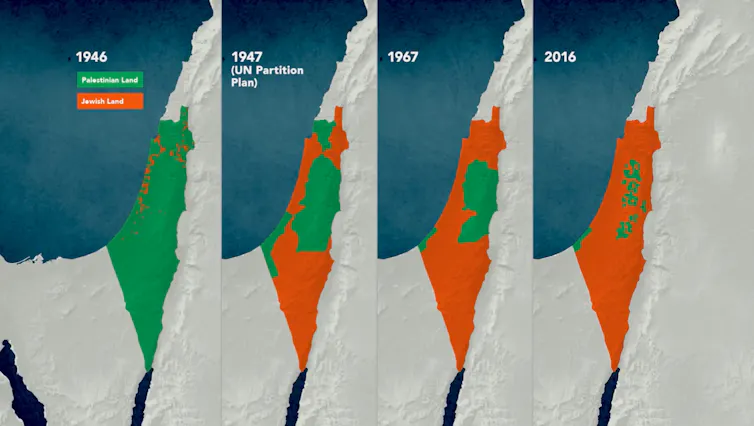
The most obvious trigger for flare-ups is the Israeli-Palestinian conflict. This isn’t just about borders. It’s about daily life, dignity, and the fundamental right to self-determination. The short-term impacts are painfully visible:
- Escalating Violence: Rockets fired from Gaza, retaliatory airstrikes, and clashes in the West Bank become all-too-familiar news cycles. These events lead to tragic loss of life, injuries, and widespread fear, impacting both Israeli and Palestinian communities.
- Economic Instability: Conflict disrupts daily routines, hindering economic activity. Businesses suffer, tourism plummets, and unemployment rises, further exacerbating existing socio-economic disparities.
- Erosion of Trust: Each cycle of violence deepens the chasm of distrust between Israelis and Palestinians, making it even harder to find common ground and engage in meaningful dialogue.
Think about the impact on a small business owner in Gaza whose shop is damaged in an airstrike, or an Israeli family living near the Gaza border constantly running for bomb shelters. These are the real, human consequences of the ongoing conflict.
Beyond the Israeli-Palestinian issue, internal political dynamics also contribute to the volatility. The frequent changes in government, often based on fragile coalitions, create instability and make it difficult to implement long-term policy solutions. This political fragmentation weakens the country’s ability to address critical issues like social inequality and religious extremism, further adding fuel to the fire.
The Slow Burn: Long-Term Impacts
While the immediate sparks are devastating, the long-term consequences of Israel’s volatile environment are even more profound. They subtly, yet relentlessly, shape the future of the nation.
- Generational Trauma: Constant exposure to conflict and insecurity leaves deep scars on both Israeli and Palestinian societies. Children grow up with trauma that can lead to long-term mental health issues, impacting their ability to build a stable and peaceful future.
- Brain Drain: The ongoing instability and uncertainty can push highly skilled professionals and entrepreneurs to seek opportunities elsewhere, leading to a loss of talent and innovation. This “brain drain” weakens Israel’s long-term economic prospects.
- Entrenched Polarization: Decades of conflict have created deeply entrenched divisions within Israeli society. These divisions manifest along religious, political, and ethnic lines, making it harder to build a shared national identity and address common challenges.
Consider the long-term impact on a Palestinian child growing up in a refugee camp, or an Israeli teenager conscripted into the army. Their experiences will shape their worldviews, potentially perpetuating cycles of violence and mistrust.
Extinguishing the Flames: Practical Solutions
So, how do we transform this tinderbox into a more stable and peaceful environment? The solutions are multifaceted and require a commitment from all stakeholders. It won’t be easy, but it is essential.
Here are some practical approaches:
- Economic Cooperation: Building bridges through joint economic initiatives.
- Example: The “Two States for Sustainability” program promotes joint Israeli-Palestinian projects in renewable energy, water management, and agriculture. This fosters collaboration and mutual dependence, creating economic incentives for peace.
- Impact: The program generates thousands of jobs, improves infrastructure, and builds trust between communities.
- How: Governments and international organizations should provide funding and technical assistance for such initiatives. Businesses can invest in joint ventures and create opportunities for cross-border trade.
- Example: The “Two States for Sustainability” program promotes joint Israeli-Palestinian projects in renewable energy, water management, and agriculture. This fosters collaboration and mutual dependence, creating economic incentives for peace.
- Grassroots Peacebuilding: Focusing on people-to-people initiatives that build empathy and understanding.
- Example: The “Parents Circle – Families Forum” brings together Israeli and Palestinian families who have lost loved ones in the conflict. They share their stories, offer support to each other, and advocate for peace.
- Impact: These interactions help humanize the “other side,” breaking down stereotypes and fostering empathy.
- How: Support organizations that facilitate dialogue between Israelis and Palestinians. Participate in online forums and social media groups that promote understanding and mutual respect.
- Example: The “Parents Circle – Families Forum” brings together Israeli and Palestinian families who have lost loved ones in the conflict. They share their stories, offer support to each other, and advocate for peace.
- Security Cooperation: Enhancing security coordination to prevent violence and build confidence.
- Example: The “Gaza Envelope Regional Cooperation” initiative promotes cooperation between Israeli and Palestinian security forces in managing border crossings, combating smuggling, and responding to emergencies.
- Impact: Improved security cooperation reduces the risk of violence and builds trust between security forces.
- How: Governments and international organizations should invest in training and equipment for security forces. Promote joint patrols and intelligence sharing to prevent attacks and maintain stability.
- Example: The “Gaza Envelope Regional Cooperation” initiative promotes cooperation between Israeli and Palestinian security forces in managing border crossings, combating smuggling, and responding to emergencies.
- Political Negotiation: Revitalizing the peace process through renewed negotiations.
- Example: The “Oslo Accords” in the 1990s offered a framework for resolving the conflict. Though ultimately unsuccessful, they demonstrated the possibility of achieving progress through negotiation.
- Impact: Negotiations can lead to a comprehensive peace agreement that addresses the core issues of the conflict.
- How: Governments and international organizations should facilitate dialogue between Israelis and Palestinians. Establish clear parameters for negotiations and ensure that all parties are committed to finding a peaceful solution.
- Example: The “Oslo Accords” in the 1990s offered a framework for resolving the conflict. Though ultimately unsuccessful, they demonstrated the possibility of achieving progress through negotiation.
- Addressing Internal Divisions: Promoting inclusivity and social cohesion within Israeli society.
- Example: The “Hand in Hand” network of bilingual schools brings together Jewish and Arab students in a shared learning environment.
- Impact: These schools foster intercultural understanding and break down barriers between communities.
- How: Support organizations that promote diversity and inclusion. Encourage dialogue between different religious and ethnic groups.
- Example: The “Hand in Hand” network of bilingual schools brings together Jewish and Arab students in a shared learning environment.
Alternative Approaches:
- Confidence-Building Measures: Small, incremental steps that build trust and create a more conducive environment for negotiations. This could include releasing prisoners, easing restrictions on movement, and halting settlement construction.
- International Mediation: Engaging a neutral third party to facilitate dialogue and broker a peace agreement. This could involve the United Nations, the European Union, or a respected individual with a track record of peacemaking.
- Bottom-Up Approach: Empowering local communities to take the lead in peacebuilding efforts. This involves supporting grassroots initiatives and creating opportunities for dialogue at the local level.
From Tinderbox to Seedbed: A Call to Action
Israel’s current situation is undoubtedly challenging. But it’s not insurmountable. By focusing on practical solutions, fostering cooperation, and prioritizing human dignity, we can transform this “tinderbox nation” into a seedbed for peace and prosperity.
The key is to move beyond simplistic narratives and engage with the complexities of the situation. Every individual has a role to play, from supporting peace organizations to engaging in constructive dialogue. Change will not occur overnight, but with persistence, dedication, and a shared commitment to a better future, we can create a more stable and just society for all.
Don’t let despair paralyze you. Let hope be your compass, and action your guide. The future of Israel, and the entire region, depends on it.