
Israel: A Nation Forged in Conflict, Defining the Future
Introduction
Ever heard a story so captivating, so full of twists and turns, that you just couldn’t put it down? That’s Israel’s story in a nutshell. It’s a tale of resilience, innovation, and constant reinvention – a nation born from the ashes of history and determined to shape its own destiny, even amidst persistent challenges. But understanding Israel requires more than just a history lesson. It means grappling with its present complexities and envisioning its potential for the future. This isn’t just about politics; it’s about people, innovation, and a nation striving for stability in a volatile world.
A Legacy of Resilience: The Short and Long Game of Conflict
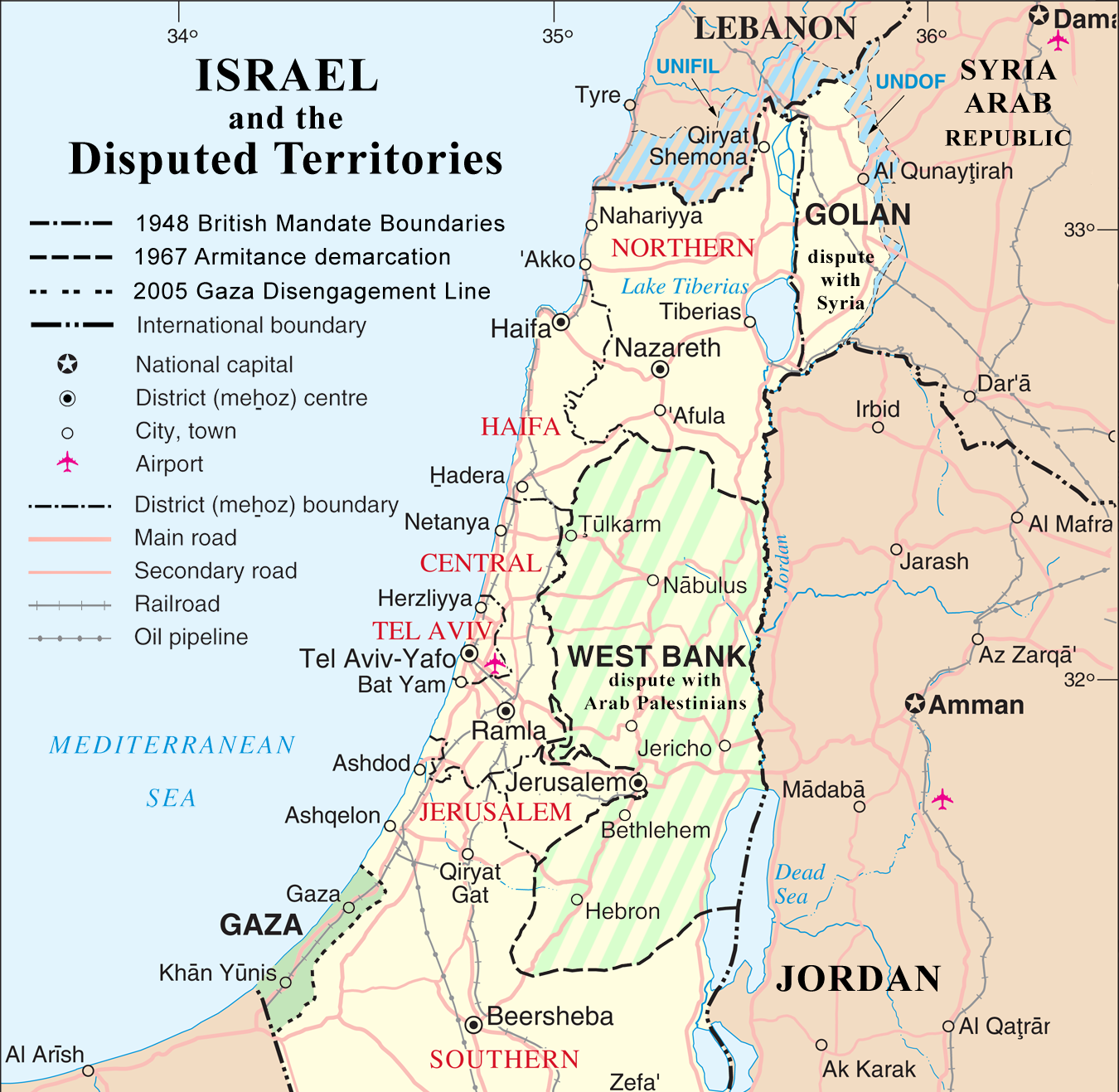
Let’s be honest, you can’t talk about Israel without acknowledging the elephant in the room: conflict. For decades, the Israeli-Palestinian conflict has cast a long shadow, impacting everything from daily life to international relations. The short-term effects are visible: security measures, political tensions, and the human cost of ongoing disputes. These immediate consequences are hard to ignore, impacting communities, economies, and the overall sense of stability.
But what about the long game? Decades of conflict have also shaped Israel’s national identity, fostering a sense of unity and determination. It’s driven innovation in defense technology, cybersecurity, and even agriculture, as the nation has been forced to find solutions to unique challenges. However, the long-term impacts also include deep-seated mistrust, cycles of violence, and a constant drain on resources that could be invested in other areas, like education and healthcare. The ongoing uncertainty also affects foreign investment and tourism, impacting economic growth.
The conflict also has a psychological impact on the population, leading to stress, anxiety, and a sense of vulnerability. This can affect mental health and social cohesion, creating a need for comprehensive support systems.
Beyond the Headlines: Israel’s Strengths and Opportunities
Now, let’s shift gears. Beyond the headlines and political debates lies a nation teeming with innovation and entrepreneurial spirit. Israel has become a global hub for technology, particularly in areas like cybersecurity, artificial intelligence, and medical devices. This “Start-Up Nation” thrives on a culture of risk-taking and collaboration, attracting investment and talent from around the world.
But it’s not just about tech. Israel has also made remarkable strides in agriculture, developing innovative solutions for water conservation and desert farming. This expertise is increasingly valuable in a world facing climate change and food security challenges. Furthermore, its vibrant cultural scene, from its world-class museums to its thriving music and culinary scenes, showcases a different side of the nation, one that’s often overlooked in the news.
Forging a Path Forward: Practical Solutions for a Brighter Future
So, how can Israel navigate its complex present and build a more secure and prosperous future? Here are a few practical solutions:
- Economic Cooperation: Focus on joint economic projects with neighboring countries. This could involve investments in infrastructure, renewable energy, or tourism. The goal is to create shared interests and interdependence, making conflict less appealing. For example, joint solar energy projects between Israel and Jordan could provide clean energy for both countries and create economic opportunities.
- Investing in Education: Prioritize education reform to promote critical thinking, empathy, and cross-cultural understanding. This can help bridge divides and foster a more inclusive society. Educational programs that bring together Israeli and Palestinian youth can help build trust and break down stereotypes.
- Technological Solutions: Leverage Israel’s tech prowess to address regional challenges like water scarcity and environmental degradation. Sharing technologies and expertise can build goodwill and promote cooperation. For instance, Israel’s water desalination technology could be used to address water shortages in neighboring countries, creating a win-win situation.
- Grassroots Initiatives: Support and empower grassroots organizations working to promote peace and reconciliation. These groups often operate under the radar, building relationships and fostering dialogue at the community level. Examples include organizations that bring together Israeli and Palestinian families who have lost loved ones in the conflict, allowing them to share their experiences and build empathy.
- Diplomatic Innovation: Explore new approaches to diplomacy, focusing on incremental steps and confidence-building measures. This could involve informal channels of communication and creative solutions to specific issues. For example, using a third-party mediator to facilitate discussions on specific issues like water rights or access to religious sites.
Alternative Approaches: Diversifying the Path to Peace
No single solution is a silver bullet. That’s why it’s essential to explore alternative approaches:
- Regional Security Framework: Building a regional security framework that involves Israel, its neighbors, and international partners. This could provide a platform for addressing security concerns and promoting stability.
- Bottom-Up Peacebuilding: Focus on empowering local communities and civil society organizations to build peace from the ground up. This approach recognizes that lasting peace requires the active participation of ordinary citizens.
- International Guarantees: Seeking international guarantees for any peace agreement, ensuring that both sides have the support and protection they need to implement the agreement.
- Cultural Exchange Programs: Expanding cultural exchange programs between Israel and its neighbors to promote understanding and break down stereotypes.
- Digital Diplomacy: Using digital platforms and social media to foster dialogue and promote understanding between different communities.
A Future Worth Fighting For
Israel’s journey is far from over. The challenges are real, and the path forward is not always clear. But the nation’s history of resilience, innovation, and determination offers reason for optimism. By embracing practical solutions, exploring alternative approaches, and fostering a culture of dialogue and understanding, Israel can forge a brighter future for itself and its neighbors.
This isn’t just about politics or policies. It’s about people, communities, and a shared desire for a better future. It’s about creating a region where everyone can thrive, where innovation flourishes, and where peace is not just a dream, but a reality.
The task ahead is daunting, but not impossible. Each step, no matter how small, contributes to building a more peaceful and prosperous future. So, let’s stay informed, engaged, and hopeful. Let’s support those working towards peace and reconciliation. Let’s believe in the power of dialogue and understanding. Because the future of Israel, and the entire region, is a future worth fighting for.