
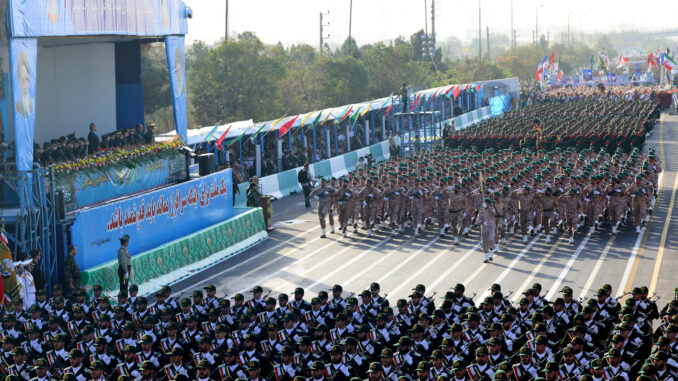
Recent developments in the Middle East have escalated tensions between Iran and Israel, with reports indicating that Iran is preparing for a potential military confrontation. Following a missile attack attributed to Iranian forces, Tehran is bracing for an anticipated response from Israel, raising concerns about a broader conflict in the region.
The Current Situation
The situation between Iran and Israel has reached a critical juncture, with both nations engaged in escalating rhetoric and military posturing. The recent missile attack, which reportedly targeted Israeli interests, has intensified fears of retaliation and broader hostilities.
- Missile Attack Details: According to reports, the missile attack originated from Iranian-controlled territory and was aimed at military installations associated with Israel. This incident marks a significant escalation in the ongoing conflict, as Iran seeks to demonstrate its military capabilities and resolve in the face of perceived threats.
- Iran’s Military Preparations: In response to the missile attack, Iranian officials have indicated a readiness for potential military conflict. The Iranian military has reportedly increased its operational readiness, conducting exercises and mobilizing forces to ensure they are prepared for any Israeli counteraction.
Israel’s Response and Regional Implications
Israel has historically taken a hardline stance against Iranian military activities, viewing them as a direct threat to its national security. The missile attack has prompted Israeli leaders to discuss their strategic options in response.
- Heightened Security Measures: In anticipation of potential retaliation, Israel has heightened its security measures. This includes increasing military readiness along its northern borders and bolstering air defense systems to intercept any incoming threats.
- Diplomatic Maneuvers: Israeli officials are also engaging in diplomatic efforts to garner international support against Iranian aggression. There are concerns that the conflict could escalate beyond the borders of Iran and Israel, potentially drawing in regional allies and affecting the delicate balance of power in the Middle East.
The Broader Context of Iran-Israel Relations
The relationship between Iran and Israel has long been fraught with tension, rooted in ideological differences and geopolitical rivalries. The current escalation is part of a broader pattern of conflict that has characterized the region for decades.
- Proxy Conflicts: Iran’s support for proxy groups throughout the Middle East, including Hezbollah in Lebanon and various militias in Syria, has heightened Israeli fears of encirclement and increased the likelihood of military confrontation. Israel has repeatedly targeted Iranian assets in these areas to prevent them from establishing a foothold near its borders.
- Nuclear Concerns: The ongoing concerns about Iran’s nuclear program further complicate the relationship. Israel views a nuclear-armed Iran as an existential threat, leading to increased tensions and military posturing. The recent missile attack may also be interpreted as a signal of Iran’s growing capabilities, prompting Israel to reassess its strategic calculations.
International Reactions and Concerns
The international community is closely monitoring the situation, with fears that a conflict between Iran and Israel could have far-reaching implications for regional stability and global security.
- Calls for Restraint: Various countries and international organizations have called for restraint on both sides, emphasizing the need for dialogue and diplomatic solutions to prevent an escalation of hostilities.
- Impact on Global Oil Markets: Any military confrontation in the Middle East could disrupt oil supply chains and lead to increased volatility in global markets. The potential for rising oil prices has drawn attention from economic analysts and policymakers worldwide.
Conclusion: A Tenuous Balance
As Iran prepares for potential conflict with Israel following the recent missile attack, the situation remains precarious. Both nations are poised for military action, and the risk of escalation is high. The international community must engage in proactive diplomacy to de-escalate tensions and foster dialogue, as the consequences of war in this volatile region could be catastrophic.
The path forward requires careful navigation to ensure that diplomatic solutions are prioritized over military confrontations. The stakes are incredibly high, and the world watches closely as the situation unfolds.