
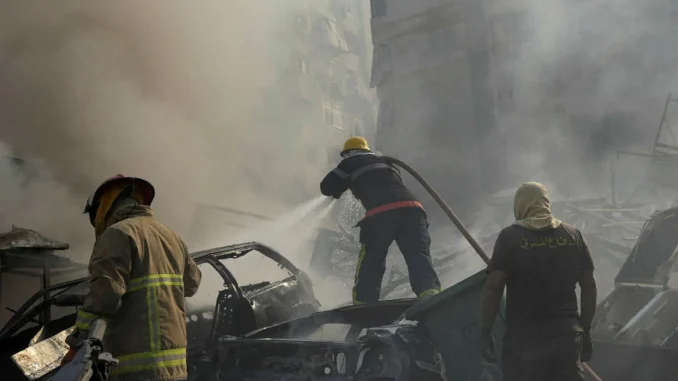
In a rapidly escalating conflict, Israel launched a series of airstrikes across Gaza and Lebanon in the past 24 hours, resulting in significant casualties. These strikes are part of an intensified Israeli response to ongoing hostilities with Hamas and Hezbollah, with death tolls climbing as civilian areas are increasingly caught in the crossfire. The situation has added further complexity to an already tense region, raising concerns about the broader humanitarian impact and drawing international attention and calls for de-escalation.
Growing Casualties and Impact on Civilians
In Gaza, the bombardment targeted several densely populated neighborhoods, leaving dozens of civilians dead or injured, according to health officials. The scale of the destruction has been substantial, with entire buildings reduced to rubble and local hospitals overwhelmed with casualties. The loss of life has been particularly severe among families sheltering in what they believed were safe zones. Gaza’s healthcare infrastructure, already fragile from years of blockade, is on the verge of collapse as medical personnel face shortages of essential supplies.
In Lebanon, Israeli airstrikes targeted locations identified by the Israeli Defense Forces (IDF) as Hezbollah strongholds. These strikes have also resulted in fatalities and displaced many civilians in the affected areas, heightening fears that Lebanon could be dragged further into the conflict. Lebanese authorities condemned the strikes, stating that they violate the country’s sovereignty and put civilians at risk. Many Lebanese residents, particularly in southern regions, have begun evacuating to avoid further escalation.
Background and Trigger of the Recent Escalations
The recent escalation follows weeks of high tension between Israel and militant groups, with Hamas and Hezbollah both intensifying their attacks on Israel. Hamas, which controls Gaza, has launched a series of rocket barrages toward Israeli cities, prompting swift Israeli retaliation. Hezbollah has expressed solidarity with Hamas, with intermittent attacks across the Lebanese border. Both groups claim their actions are responses to what they describe as Israeli aggression, while Israel asserts its right to defend itself.
This escalation is part of a longer-standing conflict marked by deep political, religious, and territorial tensions that date back decades. However, the recent wave of violence has been particularly intense, with fears that it could lead to a full-scale war affecting multiple countries in the region.
Humanitarian Crisis and International Response
The humanitarian crisis in Gaza, already severe due to years of blockade, has worsened drastically. International organizations, including the United Nations, have raised alarms about the situation, urging both sides to adhere to international laws aimed at protecting civilians during armed conflict. The UN and Red Cross have both called for a temporary ceasefire to allow humanitarian aid to reach affected areas.
The international community remains divided on the issue. While some nations have called for an immediate cessation of hostilities and a return to negotiations, others have expressed support for Israel’s right to defend itself against terrorist threats. Diplomatic channels are being explored to reach a ceasefire agreement, but deep-seated mistrust on all sides has so far hindered progress.
Potential Ramifications and Calls for Peace
The ongoing violence poses significant risks to regional stability. Analysts fear that if the conflict continues unabated, it could pull in more regional players, leading to a broader confrontation. The displacement of civilians in Gaza and Lebanon adds to the regional refugee crisis, straining resources and increasing tensions.
There have been renewed calls from peace advocates for a sustainable resolution to the Israeli-Palestinian conflict, emphasizing the need for diplomatic measures over military solutions. However, achieving peace remains a complex challenge, as both sides remain entrenched in their positions, and the cycle of retaliation shows no immediate sign of stopping.
Conclusion
The recent Israeli strikes in Gaza and Lebanon mark a tragic continuation of violence in a region already deeply affected by conflict. As the death toll rises and the humanitarian situation deteriorates, there are urgent calls for an end to hostilities. The coming days will be crucial as both international and regional players attempt to navigate this volatile situation, hoping to prevent further loss of life and suffering.