
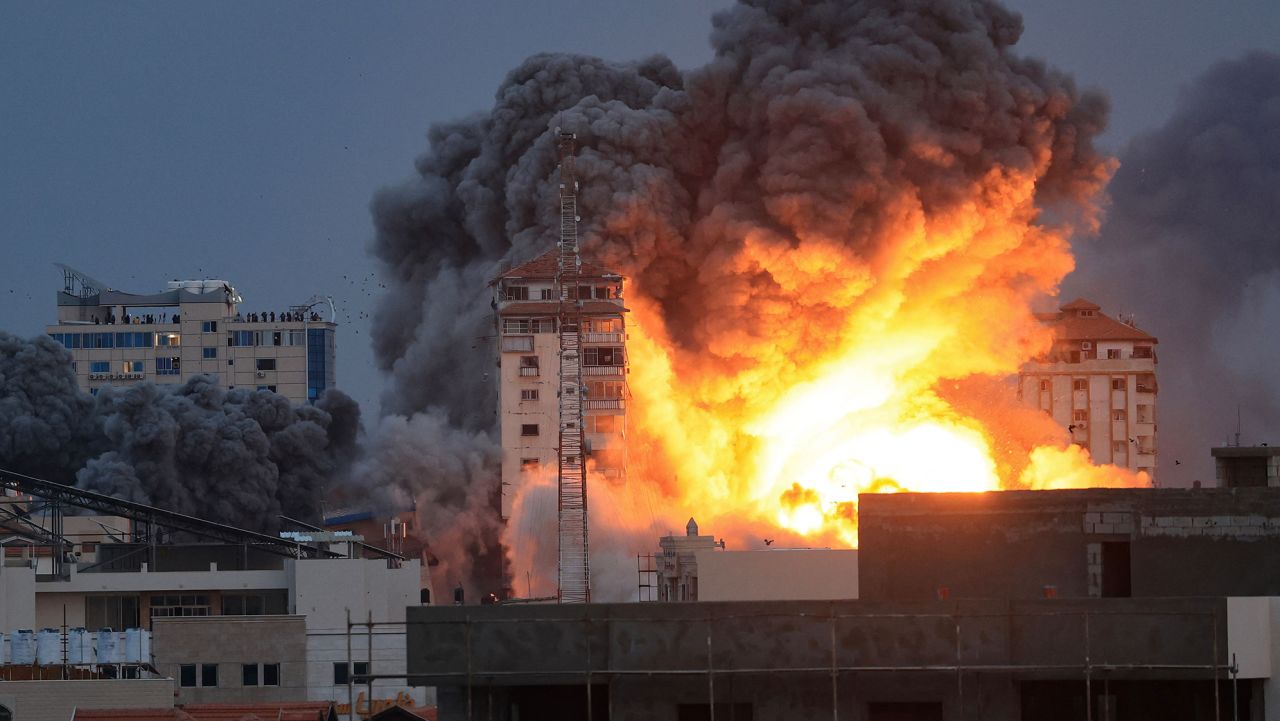
Israel Under Fire: Rockets Strike, Nation Responds
Introduction
The wail of sirens. A frantic scramble for shelter. The gut-wrenching thud of impact. These are sounds, and experiences, etched into the collective consciousness of Israelis living near the Gaza Strip and, increasingly, in more central locations. When rockets rain down, life as usual grinds to a halt, replaced by a tense waiting game, punctuated by the fear of the unknown. But beyond the immediate danger, the recurring barrages leave deep scars – on the economy, the psyche, and the very fabric of Israeli society. What are the short-term and long-term impacts of this relentless threat, and what can be done to mitigate them? Let’s dive in.
The Immediate Impact: Disruption and Fear
The most obvious and immediate impact of rocket fire is the disruption it causes. Schools close, businesses shutter, and public events are cancelled. Life grinds to a halt as people prioritize safety above all else. This isn’t just an inconvenience; it has real economic consequences. Think of the small business owner forced to close their shop for days, or the farmer unable to harvest their crops. This lost productivity takes a significant toll on local economies, especially in regions closest to the source of the attacks.
Beyond the economic impact, there’s the profound psychological toll. Constant exposure to the threat of rocket attacks leads to chronic stress, anxiety, and even PTSD. Children, in particular, are vulnerable, with studies showing increased rates of anxiety disorders and behavioral problems. The constant vigilance, the fear of sudden sirens, and the uncertainty of what tomorrow may bring create a climate of unease that is difficult to shake. This isn’t just about individual anxieties; it’s about the erosion of community well-being. When people are constantly living in fear, it’s harder to build trust, foster cooperation, and create a thriving society.
The Long-Term Scars: Economic Instability and Social Cohesion
The short-term disruptions ultimately translate into long-term challenges. Businesses are hesitant to invest in areas prone to rocket attacks, hindering economic growth and job creation. Tourism, a vital sector for Israel, suffers as visitors are deterred by the perceived instability. This creates a vicious cycle: insecurity leads to economic stagnation, which in turn exacerbates social tensions and makes it harder to build a resilient community.
Furthermore, the constant threat of violence can erode social cohesion. It can fuel division and distrust between different communities, making it harder to find common ground and build a shared future. The emotional toll of repeated attacks can lead to feelings of helplessness and despair, which can further contribute to social fragmentation.
Beyond Defense: Practical Solutions for a More Secure Future
While Israel has invested heavily in defensive measures like the Iron Dome, a system designed to intercept incoming rockets, these solutions are not foolproof and are not the only answer. A multi-pronged approach is needed to address both the immediate threat and the underlying causes of the conflict. Here are several practical solutions that can be implemented:
- Strengthening Local Economies: One of the most effective ways to build resilience is to invest in the economic development of communities vulnerable to rocket attacks. This includes providing grants and loans to small businesses, supporting local agriculture, and creating educational and training programs to equip residents with the skills they need to succeed in a rapidly changing economy.
- Example: The “Startup Negev” initiative provides funding and mentorship to entrepreneurs in the Negev region, helping to create new businesses and jobs. This strengthens the local economy and creates opportunities for residents, making them less vulnerable to the negative impacts of rocket attacks.
- Investing in Mental Health Services: Addressing the psychological toll of rocket attacks is crucial. This requires expanding access to mental health services, particularly for children and families. Schools should have trained counselors and psychologists to help students cope with trauma and anxiety. Community centers can offer support groups and workshops to help residents develop coping mechanisms and build resilience.
- Case Study: The “NATAL” trauma center provides psychological support to Israelis affected by terror and war. They offer a range of services, including individual therapy, group therapy, and crisis intervention. Their work is vital in helping people heal and rebuild their lives after experiencing traumatic events.
- Promoting Dialogue and Understanding: Addressing the root causes of the conflict requires fostering dialogue and understanding between different communities. This includes supporting educational programs that promote cross-cultural understanding, facilitating people-to-people exchanges, and creating opportunities for Israelis and Palestinians to interact and build relationships.
- Example: Organizations like “Seeds of Peace” bring together young people from conflict regions to participate in dialogue and leadership training programs. These programs help to break down stereotypes, build trust, and create a generation of leaders committed to peace.
- Improving Early Warning Systems and Shelter Infrastructure: While not a complete solution, enhancing early warning systems and ensuring access to adequate shelter remains crucial. This includes upgrading existing systems to provide more accurate and timely warnings, building more public shelters, and providing financial assistance to homeowners to reinforce their homes.
- Actionable Step: Advocate for increased funding for early warning systems and shelter construction in your community. Participate in local initiatives to improve emergency preparedness and ensure that you and your family know what to do in the event of a rocket attack.
- Leveraging Technology for Community Resilience: Technology can play a crucial role in enhancing community resilience. Consider developing mobile apps that provide real-time information on rocket alerts, connect residents with support services, and facilitate communication during emergencies.
- Practical Application: Develop a community-based WhatsApp group for sharing information and offering support to neighbors during emergencies. This can help to foster a sense of community and ensure that everyone has access to the resources they need.
- Diversifying Economic Activities: Areas heavily reliant on a single industry, like tourism near Gaza, are particularly vulnerable. Promoting diversification through investments in technology, agriculture, and renewable energy can create a more stable and resilient economy less susceptible to shocks from security incidents.
- Example: Encouraging the development of agricultural technologies that can thrive in arid conditions, reducing reliance on water-intensive crops, and making the region more self-sufficient.
- Promoting Cultural and Creative Industries: Supporting artists, musicians, and cultural organizations can help to revitalize communities affected by conflict. Cultural events can bring people together, foster a sense of belonging, and provide a positive outlet for expression and healing.
- Actionable Step: Attend local cultural events and support artists in your community. This can help to boost morale and create a more vibrant and resilient community.
The Path Forward: A Call to Action
The challenges facing Israel in the face of ongoing rocket attacks are complex and multifaceted. There’s no single, simple solution. But by adopting a multi-pronged approach that addresses both the immediate threat and the underlying causes of the conflict, it is possible to build a more secure, resilient, and prosperous future for all. This requires a commitment from governments, civil society organizations, and individuals to work together to create positive change.
Don’t underestimate the power of individual action. Whether it’s supporting local businesses, volunteering for community organizations, or engaging in dialogue with people from different backgrounds, every effort counts. The journey towards a more peaceful and secure future may be long and arduous, but with determination, innovation, and a commitment to collaboration, it is a journey worth taking. Let’s not just react to the fire; let’s build a fire of resilience and hope that burns brighter than any rocket.