
Israel: A Nation Forged in Conflict, Defining the Future
Israel. The name itself conjures a whirlwind of emotions, images, and opinions. From ancient history lessons to modern-day headlines, the story of this small nation is anything but simple. It’s a story of resilience, innovation, and yes, enduring conflict. But beyond the complexities, lies a compelling narrative of a nation constantly striving to define its future, a future that holds promise and possibility. So, buckle up, because we’re about to dive into the heart of it all.
A Legacy Etched in Fire: Understanding the Present
Let’s be honest, the “conflict” part of the title isn’t just there for dramatic effect. It’s woven into the very fabric of Israel’s existence. The short-term impacts are obvious: the cyclical outbreaks of violence, the constant security concerns, the deep divisions within society, and the ever-present cloud of political instability. These daily realities affect everything from economic growth to personal well-being.
But the long-term repercussions are arguably even more profound. Generations have grown up under the shadow of conflict, shaping their perspectives, limiting their opportunities, and fueling a cycle of distrust. The ongoing struggle over land and resources creates barriers to cooperation and sustainable development. Furthermore, the international perception of Israel is often dominated by the conflict, overshadowing its many achievements and contributions in other fields.
Think about it: every child growing up in Israel or Palestine is inheriting a legacy of trauma and unresolved grievances. This isn’t just a political issue; it’s a human one. The deep-seated animosity and lack of understanding can perpetuate cycles of violence and hinder the path towards peaceful coexistence.
Beyond the Battlefield: Israel’s Defining Strengths
However, focusing solely on the conflict would be a disservice to the multifaceted reality of Israel. Despite the challenges, the nation has consistently defied expectations, emerging as a global leader in technology, medicine, and agriculture. This resilience and innovation are not just accidental; they are a direct result of the very pressures it faces.
Israel’s “Start-Up Nation” reputation is well-earned. Faced with limited natural resources and constant security threats, the country has fostered a culture of creativity and problem-solving. This is evident in its groundbreaking advancements in water conservation, cybersecurity, and medical technology. These innovations not only benefit Israel but also offer solutions to global challenges.
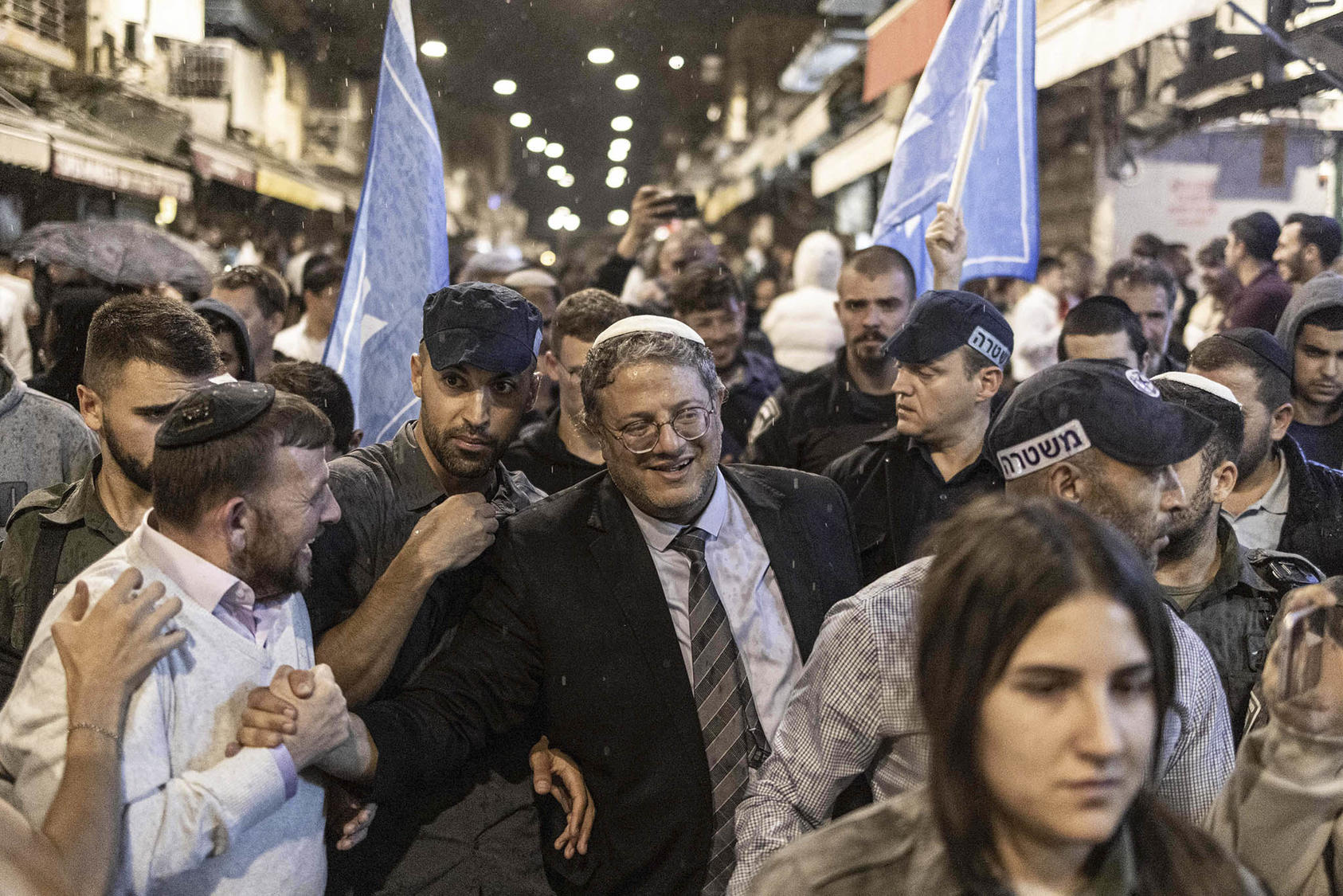
Furthermore, Israel boasts a vibrant and diverse society, with a rich tapestry of cultures and traditions. From the bustling markets of Jerusalem to the modern skyscrapers of Tel Aviv, the country is a melting pot of ideas and perspectives. This diversity, while sometimes a source of tension, also fuels innovation and creativity.
Charting a New Course: Practical Solutions for a Brighter Future
So, how can Israel leverage its strengths to overcome the challenges and define a more positive future? Here are some practical solutions that focus on fostering understanding, promoting economic cooperation, and building a more inclusive society:
- Investing in People-to-People Initiatives:
This might sound simplistic, but fostering genuine connections between Israelis and Palestinians is crucial. This can be achieved through joint educational programs, cultural exchange initiatives, and collaborative projects that address shared challenges like water scarcity or environmental concerns.
Example: Several NGOs already facilitate dialogue programs between young Israelis and Palestinians, providing a safe space for them to share their experiences, challenge their assumptions, and build relationships. Expanding these initiatives and making them more accessible can have a significant impact on breaking down stereotypes and fostering empathy.
- Promoting Economic Cooperation and Shared Prosperity:
Economic interdependence can be a powerful force for peace. Creating opportunities for joint ventures, trade, and investment between Israeli and Palestinian businesses can help build mutual prosperity and reduce economic disparities.
Example: The Israeli-Palestinian Chamber of Commerce has been instrumental in facilitating cross-border trade and investment. Expanding its reach and supporting initiatives that provide training and resources to Palestinian entrepreneurs can help create a more level playing field and foster economic cooperation.
- Embracing Inclusive Governance and Social Justice:
Building a truly inclusive society requires addressing the systemic inequalities that affect marginalized communities within Israel itself, including Arab citizens and ultra-Orthodox Jews. This means ensuring equal access to education, healthcare, and employment opportunities.
Example: Programs that promote cultural understanding and diversity training within government institutions and schools can help combat prejudice and discrimination. Investing in initiatives that support the integration of marginalized communities into the workforce can also help create a more equitable and just society.
- Leveraging Technology for Peacebuilding:
Israel’s technological prowess can be harnessed for peacebuilding efforts. This includes developing tools for conflict resolution, promoting online dialogue, and creating platforms for sharing information and countering misinformation.
Example: Several initiatives are using social media and online platforms to promote dialogue and understanding between Israelis and Palestinians. These platforms can be used to share personal stories, challenge stereotypes, and foster empathy.
- Strengthening Regional Diplomacy and Cooperation:
Israel’s growing relationships with Arab nations through the Abraham Accords offer a unique opportunity to foster regional cooperation and build bridges with its neighbors. These relationships can be leveraged to promote dialogue, facilitate economic cooperation, and address shared challenges like climate change and security.
Example: Initiatives that promote cultural exchange and joint projects between Israeli and Arab scientists, artists, and entrepreneurs can help build trust and understanding between different communities.
These solutions are not mutually exclusive; in fact, they are interconnected and mutually reinforcing. The path forward for Israel is not predetermined. It’s a series of choices that its leaders and citizens make every day. The choice to prioritize dialogue over division, cooperation over conflict, and inclusion over exclusion.
The truth is, there’s no single “magic bullet” solution. Building a lasting peace and a brighter future requires a multifaceted approach that addresses the root causes of the conflict and fosters a culture of understanding and respect.
A Call to Action: Shaping a Future of Hope
The story of Israel is far from over. It’s a story still being written, a story that can be shaped by the choices we make today. It’s a story that can be filled with hope, progress, and the promise of a more peaceful future.
Whether you’re a student, a business leader, a policymaker, or simply a concerned citizen, you have a role to play. Engage in constructive dialogue, support organizations that are working for peace and reconciliation, and advocate for policies that promote justice and equality.
The challenges are real, and the road ahead may be long, but the potential for a brighter future is within reach. By embracing innovation, fostering understanding, and committing to a vision of shared prosperity, Israel can truly define its future as a nation not just forged in conflict, but dedicated to building a better world for all. Let’s choose to be part of that story.