
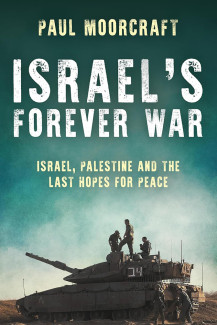
Israel War: The Precipice of Forever
The air crackles with tension. It’s not just in the Middle East; you can feel it simmering in conversations around the globe. The Israel-Hamas conflict, a decades-old wound reopened with brutal force, feels different this time. It feels…bigger. It feels like we’re standing on the precipice of forever, a point from which there may be no easy return.
We’ve seen conflicts flare up in the region before. Tragedies, ceasefires, broken promises – a wearying cycle that lulls many into a dangerous sense of complacency. But the scale of this current violence, the unwavering rhetoric, and the global repercussions that are already unfolding suggest something profoundly changed. Are we simply witnessing another iteration of a familiar struggle, or are we teetering on the edge of a new, more volatile era?
The Immediate Fallout: A World Gripped by Uncertainty
Let’s be clear: the immediate impacts are devastating. The loss of life, the displacement of families, the sheer human suffering – these are tragedies that demand our empathy and action. But beyond the immediate humanitarian crisis, the conflict is sending shockwaves throughout the world.
- Fueling Extremism: Sadly, conflict is fertile ground for radicalization. The narratives of victimhood and injustice, fueled by the horrors of war, can be easily manipulated to recruit new members to extremist groups on both sides. This is not just a regional problem; it’s a global security threat.
- Economic Instability: Oil prices are already fluctuating wildly, a direct consequence of the conflict’s potential impact on energy supplies. Beyond oil, global trade routes are being disrupted, potentially leading to inflation and economic slowdown. Think about the cost of everyday goods potentially rising – that’s a direct impact on your wallet.
- Social Division: The conflict is exacerbating existing divisions within societies worldwide. From university campuses to social media platforms, the debate surrounding the conflict is often fraught with misinformation, hate speech, and a disturbing lack of empathy. This polarization threatens the very fabric of our communities.
These are just the immediate consequences. The long-term impacts could be even more profound.
The Long Shadow: A Future Haunted by Conflict
Imagine a future where trust between nations is eroded beyond repair, where regional power dynamics are permanently destabilized, and where the cycle of violence becomes even more entrenched. This is not some dystopian fantasy; it’s a very real possibility.
- A Regional Arms Race: The conflict could trigger a new arms race in the Middle East, as nations scramble to bolster their defenses and project power. This would not only divert resources away from vital social programs but also increase the risk of future conflicts.
- Failed Peace Processes: The already fragile peace process between Israel and Palestine could be effectively dead, replaced by a climate of distrust and animosity that makes any future negotiations nearly impossible. This would condemn future generations to a life of conflict and despair.
- Geopolitical Realignment: The conflict could reshape the geopolitical landscape, leading to new alliances and rivalries that further destabilize the region and the world. We could see nations like Russia and China playing an increasingly assertive role, further complicating the already complex dynamics.
The picture painted above is not intended to be bleak, but brutally honest. So, what can be done? How do we step back from this precipice of forever?
Bridging the Divide: Solutions for a More Peaceful Future
There are no easy answers, no silver bullets that can magically solve this deeply entrenched conflict. But that doesn’t mean we should despair. There are practical, actionable steps we can take to mitigate the damage and pave the way for a more peaceful future.
- Promoting Dialogue: We need to create spaces for respectful dialogue, even – and especially – with those with whom we vehemently disagree. This means listening to each other’s perspectives, understanding each other’s fears, and finding common ground where possible. Organizations like Seeds of Peace, which bring together young people from conflict regions, are excellent examples of how dialogue can foster empathy and understanding.
- Combating Misinformation: Misinformation is a dangerous weapon in this conflict, fueling hatred and division. We all have a responsibility to critically evaluate the information we consume and share, and to challenge narratives that promote violence and intolerance. Supporting fact-checking organizations and media literacy initiatives can help combat the spread of false information.
- Supporting Humanitarian Aid: The immediate priority is to provide humanitarian aid to those affected by the conflict. This includes food, water, medical supplies, and shelter. Organizations like the Red Cross, Doctors Without Borders, and UNRWA are on the ground providing vital assistance. Donating to these organizations can make a tangible difference in the lives of those suffering.
- Investing in Education: Education is the key to breaking the cycle of violence. By investing in education that promotes critical thinking, empathy, and tolerance, we can help create a generation of leaders who are committed to peace. Organizations like UNESCO are working to promote education in conflict-affected areas.
- Empowering Grassroots Movements: Change often comes from the ground up. Supporting grassroots movements that are working for peace, justice, and equality can be a powerful way to make a difference. These movements are often led by local activists who have a deep understanding of the challenges and opportunities in their communities.
Alternative Approaches: A Multi-Faceted Solution
It is crucial to understand that no single solution will resolve the complexities of the Israeli-Palestinian conflict. A multi-faceted approach is required, incorporating various strategies that address the root causes of the conflict and promote a sustainable peace. Here are some alternative approaches that can be considered:
- Economic Development: Investing in economic development in both Israel and Palestine can create opportunities for employment, reduce poverty, and foster cooperation. Joint economic projects can help build trust and interdependence between the two sides.
- Security Cooperation: Strengthening security cooperation between Israel and Palestine can help prevent violence and build confidence. This could involve joint patrols, intelligence sharing, and coordinated efforts to combat terrorism.
- International Mediation: Engaging international mediators with credibility and impartiality can help facilitate negotiations between Israel and Palestine. The involvement of regional and global powers can create a conducive environment for dialogue and compromise.
- Track II Diplomacy: Supporting Track II diplomacy initiatives, which involve informal discussions between academics, civil society leaders, and former officials, can help generate new ideas and build relationships. These initiatives can complement official negotiations and promote a deeper understanding of the issues at stake.
A Call to Action: From Despair to Determination
The challenges we face are immense, but they are not insurmountable. We must resist the temptation to succumb to despair and instead embrace a spirit of determination. Each of us has a role to play in building a more peaceful future.
Start by educating yourself about the conflict and its complexities. Engage in respectful dialogue with those who hold different views. Support organizations that are working for peace and justice. And most importantly, never lose hope.
The path ahead will be long and difficult, but it is a path we must walk together. The future of the region, and indeed the world, depends on it. Let us step back from the precipice of forever and build a future where peace, justice, and equality prevail. Let’s ensure that instead of being a reminder of conflict, this moment becomes a catalyst for enduring positive change.