
The United States has announced it will not withhold military support to Israel, reaffirming its commitment to providing defense assistance even as international calls grow to address the humanitarian aid crisis in Gaza. The decision comes as a deadline set by aid organizations and diplomats to address worsening conditions in the Palestinian territories has passed, highlighting the urgent need for more resources to support civilians affected by the conflict.
U.S. Stance on Military Support to Israel
Top U.S. officials have clarified that military assistance to Israel will continue unabated, underscoring Israel’s right to defend itself amid rising tensions in the region. The decision reflects the U.S. stance that Israel remains a key security partner in the Middle East, and American officials have pointed to Israel’s strategic importance and defense needs, particularly against escalating threats from regional adversaries.
The White House emphasized that while humanitarian concerns are urgent, they would not compromise the flow of arms and military equipment to Israel. The U.S. has recently accelerated the delivery of various military supplies, including interceptors for Israel’s Iron Dome system, as well as munitions and other defense assets.
Growing Humanitarian Crisis in Gaza
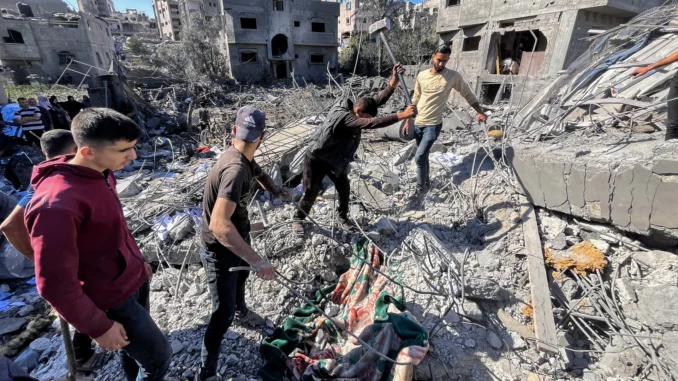
Meanwhile, the humanitarian situation in Gaza continues to deteriorate. Blockades and ongoing airstrikes have left hospitals, schools, and civilian infrastructure in dire condition. Aid groups, including the United Nations, have issued repeated warnings that basic resources, including medical supplies, food, and water, are reaching critical shortages. The conflict has led to significant casualties and displacement, with thousands of civilians in desperate need of shelter and relief.
A coalition of aid organizations recently set a deadline urging all parties to allow unhindered access for humanitarian relief to Gaza, warning that the lack of resources would soon reach a catastrophic point. Despite international appeals, access to Gaza remains limited, complicating efforts to provide urgently needed assistance. The U.S. has expressed support for a humanitarian pause in hostilities to allow aid deliveries but has also underscored that Israel has the right to address security threats, a stance that has stirred debate among international observers.
Balancing Military Support with Humanitarian Concerns
The U.S. faces a difficult balancing act in supporting Israel’s defense needs while addressing the growing humanitarian crisis. American officials have voiced a commitment to both Israel’s security and the welfare of civilians in Gaza, but the continuation of military support without any conditions has drawn criticism from some quarters. Advocacy groups argue that withholding or conditioning military aid could pressure Israel to prioritize humanitarian concerns more urgently.
However, proponents of continued military support argue that withholding aid would risk weakening a key ally in an unstable region, particularly at a time when Israel faces heightened security threats. American officials have emphasized the importance of Israel’s self-defense capabilities and the strategic alliance between the two nations, maintaining that halting military support would undermine both Israeli and regional stability.
International Response and Calls for a Humanitarian Pause
Several international bodies, including the European Union and the United Nations, have called for a temporary ceasefire or “humanitarian pause” to facilitate aid access and allow civilians to seek safe haven. Despite growing diplomatic pressure, concrete progress on such a pause has yet to materialize, with the U.S. urging caution over any agreements that might compromise Israel’s security.
A humanitarian pause, advocates argue, could enable the safe delivery of aid supplies and provide respite to civilians trapped in conflict zones. This approach would also allow aid groups to assess needs on the ground, particularly in hospitals facing shortages of medical supplies. The U.S., however, has avoided pushing for a full ceasefire, instead suggesting that targeted pauses should be implemented to manage aid without compromising Israel’s defense operations.
Conclusion: Navigating a Complex Crisis
As the U.S. continues to deliver military support to Israel, it faces the dual challenge of sustaining its alliance while addressing the pressing humanitarian crisis in Gaza. The decision not to withhold military aid signals Washington’s commitment to Israel’s security, but it also highlights the limits of its influence in addressing the rapidly worsening conditions for civilians in Gaza.
This complex situation underscores the broader challenges of balancing security and humanitarian priorities in conflict zones, with diplomatic solutions proving elusive amid deep-seated tensions. For now, the U.S. has reiterated its stance, pledging both unwavering support to Israel and a commitment to exploring avenues to address humanitarian needs. How the international community responds—and whether more decisive action on aid access emerges—remains to be seen as the crisis in Gaza unfolds.