
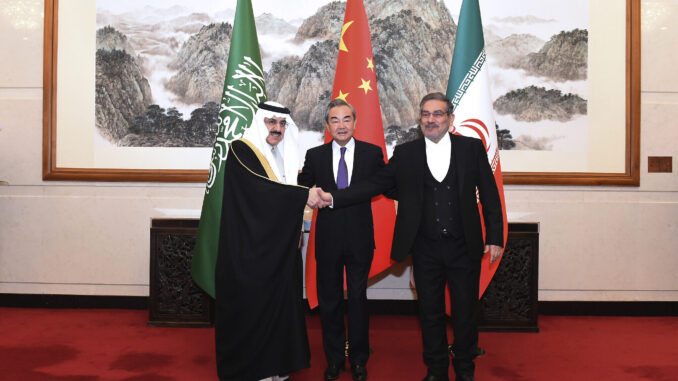
In a surprising turn of events, Iran and Saudi Arabia have conducted a joint naval exercise in the Sea of Oman, marking a significant step in improving relations between the two historically rival nations. This collaborative effort highlights the shifting dynamics in the Middle East, where geopolitical interests are increasingly leading to unexpected alliances.
1. Overview of the Naval Exercise
The joint naval exercise took place in the strategically important Sea of Oman, a vital waterway for global trade and energy transportation. The exercise aimed to enhance cooperation between the two naval forces, focusing on maritime security and combating common threats.
- Objectives: The primary goals of the exercise included improving operational readiness, enhancing communication between the two navies, and showcasing a unified front against piracy and maritime terrorism. Both nations emphasized their commitment to ensuring the security of vital shipping lanes in the region.
- Participation: The exercise involved various naval assets from both countries, including surface ships, submarines, and support vessels. Joint maneuvers included tactical operations, search and rescue missions, and drills designed to promote interoperability between the forces.
2. Significance of the Joint Exercise
The joint naval exercise represents a pivotal moment in Iran-Saudi relations, which have been marked by hostility and rivalry for decades. The collaboration indicates a shift towards dialogue and cooperation in addressing mutual concerns.
- Diplomatic Progress: This exercise follows a series of diplomatic engagements between Iran and Saudi Arabia, facilitated by regional powers such as China. The rapprochement suggests a willingness to move beyond years of animosity and seek common ground.
- Regional Stability: The collaboration is seen as a positive step toward promoting stability in the Gulf region. As both nations face similar challenges, including threats from non-state actors and maritime security issues, working together may help reduce tensions and foster a more secure environment.
3. Broader Implications for Middle Eastern Politics
The naval exercise between Iran and Saudi Arabia is reflective of broader geopolitical trends in the Middle East. As regional powers reassess their alliances and security strategies, the implications of this collaboration are significant.
- Changing Alliances: Traditional alliances in the region are evolving, with nations exploring new partnerships to address security challenges. The joint exercise may signal a broader trend of regional cooperation, even among erstwhile adversaries.
- Impact on U.S. Influence: The United States has long been a key ally of Saudi Arabia in the region, often taking a more confrontational stance toward Iran. However, this new development may challenge the traditional U.S.-Saudi dynamic, prompting a reassessment of American influence in the region.
4. Responses from the International Community
The international community is closely monitoring the developments resulting from the joint naval exercise. Reactions have varied, reflecting the complex geopolitical landscape of the region.
- Cautious Optimism: Many analysts view the collaboration as a hopeful sign of reducing tensions in the Gulf. This sentiment is particularly pronounced among countries that have sought to mediate between the two nations, emphasizing the importance of dialogue in resolving longstanding disputes.
- Skepticism: Despite the optimism, some observers remain skeptical about the durability of this newfound cooperation. Previous attempts at rapprochement have faltered, and there are concerns that underlying rivalries could resurface.
5. Future Prospects
As Iran and Saudi Arabia continue to engage in collaborative efforts like the joint naval exercise, questions arise about the potential for lasting peace and stability in the region.
- Continued Dialogue: For the partnership to flourish, sustained diplomatic engagement will be essential. Both nations must remain committed to open communication and cooperation to address mutual concerns effectively.
- Addressing Broader Issues: The naval exercise is only one aspect of a larger conversation about security in the region. Tackling issues such as the Syrian conflict, Yemen’s civil war, and broader regional security concerns will require a multifaceted approach.
6. Conclusion
The joint naval exercise between Iran and Saudi Arabia in the Sea of Oman marks a notable shift in the dynamics of Middle Eastern politics. By demonstrating a willingness to cooperate on maritime security, both nations are taking a significant step towards fostering better relations and regional stability.
As the geopolitical landscape continues to evolve, the implications of this collaboration extend beyond the immediate military context. With continued dialogue and mutual engagement, there is hope for a more peaceful and cooperative Middle East, where former adversaries can work together to address shared challenges. The world will be watching closely to see how this newfound cooperation unfolds in the months and years to come.