
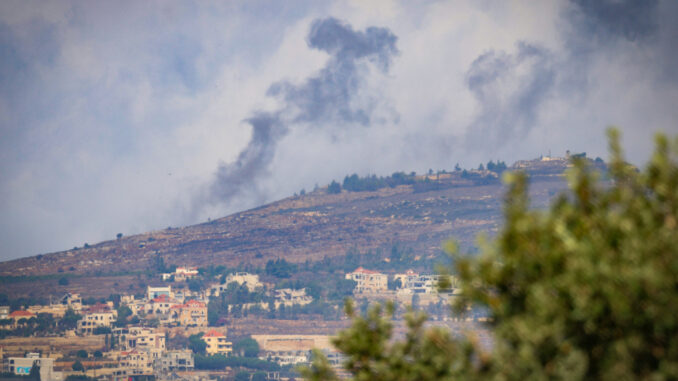
The Israeli Defense Forces (IDF) reported that around 30 rockets were launched from southern Lebanon targeting the Galilee region in northern Israel. The attacks, which took place on [insert date], mark a significant escalation in cross-border hostilities and have heightened tensions along the Israeli-Lebanese border.
Details of the Rocket Attacks
The IDF confirmed that multiple rocket alerts were activated in various communities in the Galilee, prompting residents to seek shelter as the rockets approached. While the majority of the projectiles were intercepted by the Iron Dome defense system, several rockets did manage to land in open areas, causing damage to property but fortunately resulting in no fatalities.
Local authorities have urged residents to remain vigilant and prepared for further escalations, emphasizing the importance of following safety protocols during such incidents. Emergency services have been on high alert, ready to respond to any potential casualties or damages from the attacks.
Military Response
In response to the rocket fire, the IDF conducted retaliatory strikes against positions in southern Lebanon believed to be associated with the launching of the rockets. Military spokespersons indicated that these actions were aimed at deterring further attacks and protecting Israeli citizens.
The IDF reiterated its commitment to safeguarding the northern border and maintaining security in the region. “We will respond decisively to any threat posed to our sovereignty and the safety of our citizens,” stated an IDF spokesperson.
Context of the Escalation
The recent rocket launches from Lebanon come amidst heightened tensions in the region, with ongoing hostilities between Israel and various militant groups. The situation has been exacerbated by a series of violent exchanges, increasing fears of a broader conflict that could draw in multiple parties.
Analysts suggest that the rocket attacks may be linked to regional dynamics, including the influence of Hezbollah, the Iranian-backed militant group that operates in southern Lebanon. The group has a long history of launching attacks against Israel and has been vocal in its opposition to Israeli military operations in the region.
Community Reactions
Residents of the Galilee expressed a mix of fear and resolve following the rocket strikes. Many have voiced concerns about their safety and the impact of ongoing violence on their daily lives. Local community leaders have called for unity and resilience in the face of adversity.
“The safety of our families is paramount,” one local leader stated. “We must come together as a community to support one another during these challenging times.”
International Reactions
The international community has been closely monitoring the situation, with various governments calling for restraint and urging both sides to de-escalate tensions. Diplomats have expressed concern over the potential for conflict and the need for dialogue to address underlying issues.
In a statement, the United Nations reiterated its commitment to supporting peace efforts in the region and emphasized the importance of protecting civilian lives.
Conclusion
The launch of approximately 30 rockets from Lebanon towards the Galilee represents a significant escalation in cross-border violence, raising concerns about the potential for further conflict. As the IDF responds to these threats, the situation remains fluid, and the safety of residents in northern Israel is of utmost priority.
With tensions running high, both local and international actors will be closely watching developments in the region, hoping for a swift return to stability and peace. The hope remains that dialogue and diplomacy can prevail over violence, allowing communities to coexist in safety.