
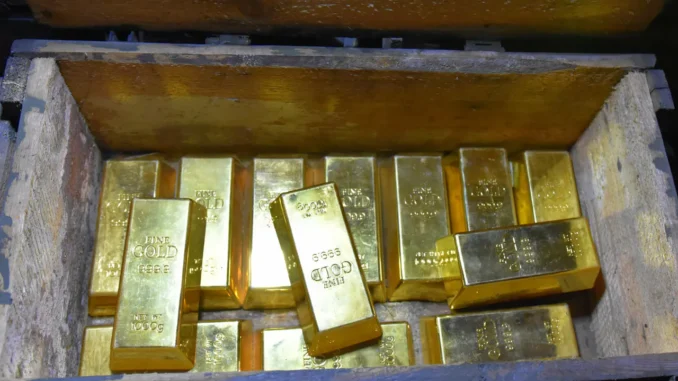
Beirut, Lebanon – A major hospital in southern Beirut was evacuated on Monday after Israeli authorities claimed that a Hezbollah cash bunker was located beneath the medical facility. The accusations come amid heightened tensions between Israel and Hezbollah as cross-border skirmishes continue to escalate in the wake of the ongoing Gaza conflict.
The hospital, located in the Hezbollah-dominated Dahiyeh suburb of Beirut, was cleared of patients, medical staff, and visitors as a precautionary measure. Lebanese officials condemned Israel’s claims as part of a broader psychological warfare campaign, while Hezbollah denied any military or financial operations were being conducted beneath the hospital.
The Israeli Allegation
In a statement, Israeli military officials accused Hezbollah of using the hospital as a cover for a financial facility used to store large amounts of cash for its operations. The Israeli Defense Forces (IDF) alleged that the militant group had embedded its financial network beneath the hospital in a deliberate attempt to shield its assets from Israeli strikes, knowing that civilian areas are often considered off-limits under international law.
“Once again, Hezbollah is using Lebanese civilians and critical infrastructure as shields for its terrorist operations,” the IDF said in a statement. “This hospital is no exception, and Hezbollah has put innocent lives at risk by building underground bunkers where they store funds and resources to finance their terror operations.”
The IDF did not provide immediate evidence to support its claims, but in recent years, it has increasingly accused Hezbollah of embedding military and logistical assets within civilian infrastructure, including residential areas, schools, and hospitals.
Lebanon’s Response
Lebanese officials quickly condemned the Israeli allegations, accusing Israel of spreading false information to justify potential attacks on civilian infrastructure. The Lebanese Health Ministry issued a statement denouncing the forced evacuation of the hospital, calling it “an unacceptable violation of international humanitarian norms.”
“This is a clear attempt by Israel to create panic and instability in Lebanon,” the ministry’s statement read. “Hospitals are places of care and healing, not battlegrounds for political conflict. The safety and health of our people must not be compromised.”
Lebanon’s government has requested international intervention to prevent any further escalations, asking for assurances that medical facilities will remain protected from military actions under international law.
Hezbollah Denies Israeli Claims
Hezbollah, the Iranian-backed militant group and political party that wields significant power in Lebanon, vehemently denied the allegations, accusing Israel of fabricating the claims to justify future strikes on Lebanese civilian infrastructure.
In a statement broadcast on Hezbollah’s Al-Manar TV, the group said: “There are no military or financial facilities beneath the hospital. These lies are part of Israel’s ongoing efforts to terrorize the Lebanese people and target civilian structures under the pretense of fighting Hezbollah.”
Hezbollah also reiterated that it would defend Lebanon against any Israeli aggression, warning that any attack on the hospital or other civilian sites would lead to a harsh retaliation.
Rising Tensions in the Region
The incident comes as tensions between Israel and Hezbollah continue to rise, particularly along Israel’s northern border with Lebanon. Since the outbreak of the Gaza conflict, there has been a notable uptick in cross-border fire, with Hezbollah launching rockets and mortars into Israel, and Israel responding with artillery and airstrikes.
The growing violence has raised concerns that the war between Israel and Hamas in Gaza could expand into a broader regional conflict, involving Hezbollah and potentially other Iranian-backed groups. Hezbollah’s leader, Hassan Nasrallah, has previously indicated that the group may take more direct action in solidarity with Hamas if the situation in Gaza worsens.
International Reactions
The hospital evacuation in Beirut has drawn international attention, with humanitarian organizations expressing concern about the potential misuse of civilian sites in conflict zones, but also urging all sides to protect healthcare facilities from becoming targets.
The World Health Organization (WHO) reiterated its call for the protection of medical facilities under international law, regardless of the circumstances. “Attacks on hospitals and health workers are a violation of international humanitarian law,” a WHO spokesperson said. “We urge all parties to the conflict to ensure the safety of medical facilities and personnel, so they can continue their life-saving work.”
Meanwhile, international diplomats, particularly those from the United Nations, are working to de-escalate the situation between Israel and Hezbollah. The UN has stationed peacekeepers along the Israel-Lebanon border as part of its UNIFIL mission, tasked with maintaining peace and preventing any escalation that could lead to full-scale war.
A Dangerous Precedent?
The allegations that Hezbollah is storing financial assets under civilian infrastructure like hospitals, if proven, could set a dangerous precedent for future conflicts. Israel has long accused Hezbollah of using human shields to protect its military and financial resources, but these claims are difficult to independently verify.
If attacks on such sites occur, they could lead to widespread casualties and further inflame an already tense situation in Lebanon, where the population is still reeling from the 2020 Beirut port explosion, the ongoing economic crisis, and political instability.
As Lebanon and Israel remain locked in a delicate balance of deterrence, the evacuation of the Beirut hospital is a stark reminder of how civilian infrastructure can become embroiled in geopolitical conflicts, putting innocent lives at risk. Both Israel and Hezbollah now face the challenge of navigating a volatile situation where further escalations could have devastating consequences for the region.