
Israel on Edge: Developments Demand Global Attention
Introduction
Israel, a nation perpetually navigating a complex web of geopolitical challenges, finds itself once again at a critical juncture. The headlines are ablaze with escalating tensions, shifting alliances, and developments that ripple far beyond its borders. It’s easy to feel overwhelmed by the intricacies, but understanding the key issues is crucial, not just for those directly affected, but for anyone invested in global stability. Let’s dive in and unpack what’s happening, why it matters, and what potential paths forward might look like.
Explanation of the Problem
The Current Landscape: A Perfect Storm?
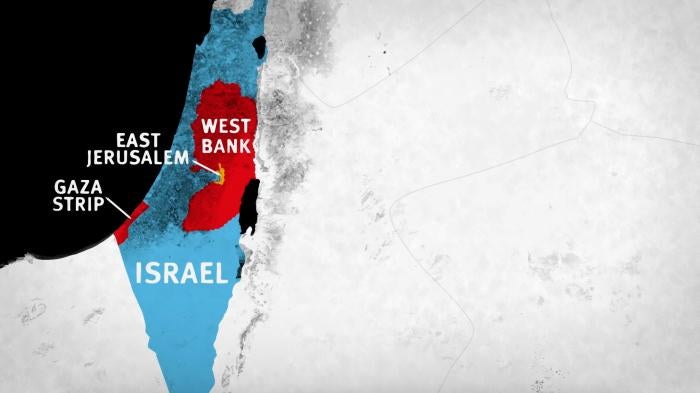
Recent events paint a picture of a region simmering with unrest. We’ve seen an uptick in violence in the West Bank, fueled by ongoing disputes over settlements and access to resources. Gaza continues to grapple with humanitarian challenges, exacerbated by the blockade and the ever-present threat of renewed conflict. Meanwhile, regional dynamics are shifting, with Iran’s nuclear program remaining a major point of contention and proxy conflicts playing out across the Middle East. Domestically, Israel faces its own set of challenges, including political polarization and socio-economic disparities.
These aren’t isolated incidents; they’re interconnected pieces of a larger puzzle. The fragility of the Palestinian Authority, for example, creates a vacuum that extremist groups are eager to fill, further destabilizing the region. Iran’s perceived aggression emboldens hardliners within Israel, making diplomatic solutions harder to reach. And economic struggles within Israel can fuel social unrest, diverting attention and resources from addressing the core issues.
Short-Term Impacts: A Daily Reality of Uncertainty
The immediate consequences of this volatile environment are felt most acutely by the people living in the region. Increased security measures, travel restrictions, and the constant threat of violence disrupt daily life. Businesses struggle, tourism dwindles, and communities are left reeling from the emotional and economic toll of conflict.
Think about the families in southern Israel who live under the shadow of rockets fired from Gaza. Or consider the Palestinian farmers in the West Bank who face restrictions on their ability to access their land. These aren’t abstract political issues; they’re real-life challenges that impact people’s livelihoods, their safety, and their hopes for the future.
Long-Term Impacts: A Generation at Risk?
The long-term implications are equally concerning. Prolonged conflict and instability erode trust, fuel radicalization, and create a cycle of violence that is difficult to break. A generation growing up in this environment is at risk of being defined by conflict and despair, making it even harder to achieve lasting peace.
Furthermore, the continued stagnation of the Israeli-Palestinian peace process undermines international efforts to promote stability in the region. It emboldens extremist groups, fuels regional tensions, and creates a breeding ground for future conflicts. The absence of a clear path toward a two-state solution, or some other mutually agreeable resolution, leaves the region vulnerable to further escalation.
Solutions
Practical Solutions: Building Bridges, Brick by Brick
So, what can be done? The solutions are multifaceted and require a concerted effort from all stakeholders. Here are a few practical approaches:
- Economic Development and Empowerment: A thriving economy is crucial for stability. Investing in Palestinian businesses, creating jobs, and improving infrastructure can help reduce poverty and create opportunities for young people. The Rawabi project, a planned Palestinian city in the West Bank, is a prime example. Despite facing numerous challenges, it has created thousands of jobs and provided affordable housing, demonstrating the potential for economic growth to contribute to stability. Similarly, supporting Israeli businesses in marginalized communities can help bridge socio-economic divides and foster a sense of shared prosperity.
- People-to-People Initiatives: Breaking down barriers and fostering understanding between Israelis and Palestinians is essential. Programs that bring young people together for dialogue, cultural exchange, and joint projects can help build bridges and challenge stereotypes. Organizations like Seeds of Peace and the Parents Circle-Families Forum have been working for years to promote reconciliation and understanding. While these initiatives may seem small-scale, they have the potential to create a ripple effect, fostering empathy and building a foundation for future peace.
- Strengthening Civil Society: Empowering civil society organizations working on peacebuilding, human rights, and social justice is crucial. These organizations play a vital role in advocating for peaceful solutions, holding leaders accountable, and providing essential services to communities affected by conflict. Supporting their work can help create a more resilient and just society. For example, organizations that provide legal aid to Palestinians facing discrimination or that advocate for equal rights within Israel are vital for promoting justice and accountability.
- Regional Diplomacy and Mediation: Engaging in constructive dialogue with regional actors is essential for de-escalating tensions and finding common ground. This includes working with countries like Egypt and Jordan, which have historically played a role in mediating between Israel and the Palestinians. It also means exploring opportunities for dialogue with countries that have traditionally been adversaries, such as Iran, while remaining firm on issues of security and regional stability.
- Targeted Sanctions and Pressure: Sanctions and pressure should be carefully targeted to hold those responsible for violence and human rights abuses accountable. For example, sanctions can be imposed on individuals and entities that finance or support terrorism, or that engage in settlement activity in violation of international law. However, it’s crucial to ensure that sanctions don’t disproportionately harm ordinary people or exacerbate humanitarian crises.
Alternative Approaches: Thinking Outside the Box
Beyond these core strategies, it’s important to campaquilasyrup.com consider alternative approaches that challenge conventional wisdom.
- Confederation Models: Exploring new political frameworks beyond the traditional two-state solution, such as a confederation between Israel and Palestine, could offer a way to share sovereignty and resources while addressing the concerns of both sides.
- Grassroots Peacebuilding: Investing in community-led initiatives that focus on addressing the root causes of conflict and building relationships at the local level can be highly effective. This includes supporting projects that promote interfaith dialogue, conflict resolution skills, and trauma healing.
- International Monitoring and Oversight: Establishing an international monitoring mechanism to oversee the implementation of agreements and ensure accountability for violations of human rights and international law could help build trust and prevent further escalation.
Conclusion
A Call to Action: Turning Concern into Change
The situation in Israel and Palestine is complex and challenging, but it’s not hopeless. By understanding the issues, supporting practical solutions, and exploring alternative approaches, we can contribute to a more peaceful and just future for the region.
This requires a shift from passive observation to active engagement. It means supporting organizations working on peacebuilding and human rights, advocating for responsible policies, and speaking out against injustice. It also means challenging our own biases and assumptions, and being open to different perspectives.
The future of Israel and Palestine depends on our collective willingness to take action. Let’s turn our concern into change and work towards a future where everyone can live in peace and security. The time to act is now.