
“`html
Israel on Edge: New Threats Ignite Old Wounds
Introduction
Israel. Just the name conjures images of ancient history, cutting-edge technology, and, let’s be honest, a region perpetually simmering with tension. But lately, the heat has been turned up. It’s not just the same old geopolitical stew; new threats are bubbling to the surface, stirring up old wounds and leaving many Israelis feeling, well, on edge.
Explanation of the Problem
Forget the textbook explanations and political jargon for a moment. Imagine trying to build a life, raise a family, and run a business while constantly aware of the possibility of rockets overhead, cyberattacks disrupting daily life, and a rising tide of global anti-Semitism impacting your community. That’s the reality for many Israelis today.
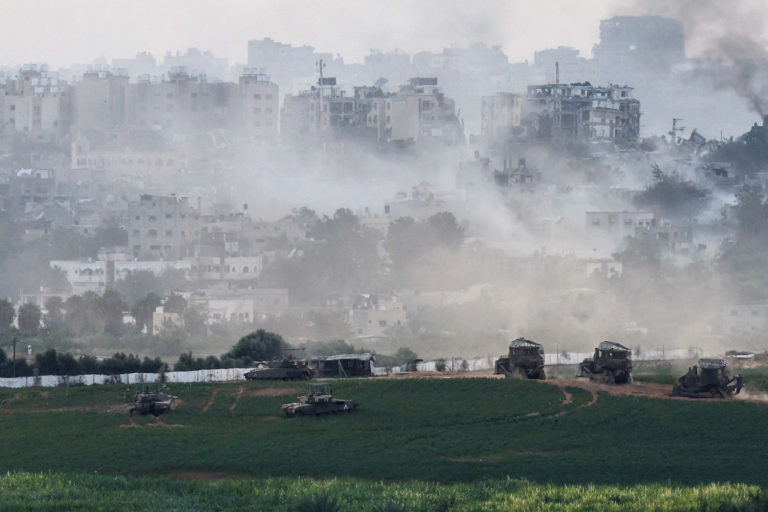
So, what’s different? Why the amplified anxiety? The answer lies in a convergence of factors. We’re seeing a resurgence of traditional security threats, like the ongoing conflict with Hamas in Gaza and the growing influence of Hezbollah in Lebanon, coupled with emerging dangers like sophisticated cyber warfare, disinformation campaigns aimed at destabilizing the nation, and a shift in the international landscape that leaves Israel feeling increasingly isolated.
Short-Term Pain, Long-Term Scars
The immediate impact of these threats is palpable. Rocket sirens trigger frantic scrambles to bomb shelters, disrupting daily routines and leaving children traumatized. Cyberattacks target critical infrastructure, paralyzing hospitals, banks, and power grids. The economic fallout from these disruptions can be devastating, impacting tourism, investment, and overall stability.
But the long-term consequences are even more concerning. The constant threat of violence and instability erodes trust, fuels societal divisions, and can lead to a brain drain, as skilled professionals seek safer havens elsewhere. The pervasive feeling of insecurity can also stifle innovation and entrepreneurship, hindering Israel’s long-term economic growth. And perhaps most worryingly, it can lead to a hardening of attitudes, making peaceful resolutions to long-standing conflicts even more difficult to achieve.
Think about it: how can you foster dialogue and build bridges when you’re constantly looking over your shoulder? How can you invest in the future when you’re uncertain about tomorrow?
Solutions
The challenges facing Israel are complex and multifaceted, but that doesn’t mean they’re insurmountable. Here are some practical, applicable solutions that can help mitigate the risks and build a more secure and resilient future:
- Investing in Cyber Defense: The Digital Shield
Cybersecurity is no longer just an IT issue; it’s a national security imperative. Israel needs to bolster its cyber defenses by:
- Strengthening infrastructure protection: Upgrading cybersecurity protocols for critical infrastructure, such as power grids, water systems, and hospitals, to protect against ransomware and other malicious attacks.
- Investing in talent development: Expanding cybersecurity education and training programs to create a larger pool of skilled professionals capable of defending against increasingly sophisticated cyber threats. Israel already has a thriving cybersecurity industry – imagine the potential if it’s scaled even further!
- Enhancing international collaboration: Sharing intelligence and best practices with allies to combat transnational cybercrime and state-sponsored cyberattacks. Israel’s expertise in cyber security is highly sought after; leveraging that for collaborative defense is crucial.
Example: The Estonian government, following a massive cyberattack in 2007, implemented a comprehensive cybersecurity strategy that included strengthening its infrastructure, educating its citizens about cyber threats, and working closely with international partners. This approach significantly improved Estonia’s ability to defend against future attacks.
- Strengthening Community Resilience: Building from the Ground Up
Building a resilient society requires more than just military might; it requires fostering a sense of community and empowering citizens to respond to emergencies. This can be achieved by:
- Expanding emergency preparedness training: Providing accessible training programs for citizens on how to respond to rocket attacks, cyberattacks, and other emergencies. These programs should focus on practical skills, such as first aid, shelter construction, and communication strategies.
- Strengthening community support networks: Building strong community-based organizations that can provide assistance to those in need during times of crisis. This includes providing food, shelter, medical care, and emotional support.
- Promoting social cohesion: Fostering dialogue and understanding between different communities within Israel to bridge divides and build a more unified society.
Example: The ZAKA (Disaster Victim Identification) organization in Israel is a prime example of community resilience in action. ZAKA volunteers, often from diverse backgrounds, are trained to respond to terror attacks and other disasters, providing essential support to victims and their families.
- Combating Disinformation: Truth as a Weapon
In the age of social media, disinformation can spread rapidly, fueling hatred and undermining trust in institutions. To combat this threat, Israel needs to:
- Invest in media literacy programs: Educating citizens about how to identify and critically evaluate information sources, particularly online. This is especially important for younger generations who are constantly bombarded with information from social media.
- Support independent journalism: Protecting and supporting independent journalists who are committed to reporting accurate and unbiased information.
- Partner with social media companies: Working with social media companies to develop strategies for identifying and removing disinformation campaigns.
Example: Finland has implemented a comprehensive media literacy program that is integrated into the national curriculum. This program teaches students how to critically evaluate information sources, identify fake news, and understand the role of media in society.
- Fostering Regional Cooperation: Building Bridges, Not Walls
While difficult given the current geopolitical climate, fostering regional cooperation is crucial for long-term stability. This can be achieved by:
- Promoting economic partnerships: Developing joint economic projects with neighboring countries to foster mutual interdependence and reduce tensions.
- Engaging in Track II diplomacy: Facilitating informal dialogue between academics, civil society leaders, and former government officials to explore areas of common interest and build trust.
- Focusing on shared challenges: Collaborating with neighboring countries on issues such as climate change, water scarcity, and public health, which transcend political boundaries.
Example: The Abraham Accords, which normalized relations between Israel and several Arab countries, demonstrate the potential for regional cooperation. These agreements have led to increased trade, tourism, and cultural exchange, fostering a sense of mutual understanding and cooperation.
Alternative Approaches: A Menu of Options
These solutions are not mutually exclusive. Israel can and should pursue a combination of approaches, tailoring its strategies to address the specific challenges it faces.
- For a security-focused approach: Prioritize investment in military technology and intelligence gathering to deter potential adversaries.
- For a diplomacy-focused approach: Engage in proactive negotiations with regional actors to de-escalate tensions and build lasting peace agreements.
- For a community-focused approach: Empower local communities to take ownership of their security and resilience through participatory planning and resource allocation.
Conclusion
The challenges facing Israel are real and pressing. But they are not insurmountable. By investing in cyber defense, strengthening community resilience, combating disinformation, and fostering regional cooperation, Israel can build a more secure and resilient future for its citizens.
It’s not about ignoring the threats, but about empowering individuals and communities to face them with strength, knowledge, and unity. It’s about choosing hope over fear, action over paralysis, and building a future where Israel can thrive, not just survive.
The journey will be long and arduous, but the potential rewards – a secure, prosperous, and peaceful future for all Israelis – are well worth the effort. It’s time to roll up our sleeves and get to work. The future of Israel depends on it.
“`