
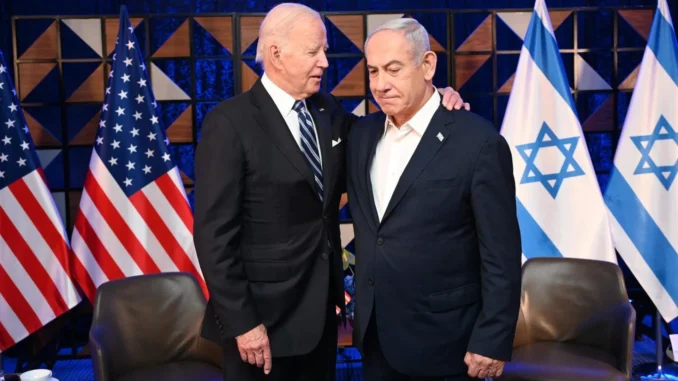
As the aftermath of the recent U.S. elections settles, analysts are forecasting a significant shift in American foreign policy regarding the ongoing Gaza conflict. With heightened international scrutiny and growing public concern about the humanitarian crisis in Gaza, U.S. officials are anticipated to ramp up pressure on Israel to pursue a ceasefire and explore diplomatic avenues for ending the war.
The Context of the Conflict
The Gaza conflict has escalated dramatically over recent months, with intense fighting leading to significant civilian casualties and widespread destruction. As the humanitarian situation deteriorates, calls for a ceasefire have intensified both domestically within the U.S. and from the international community. Advocates argue that the prolonged military engagement is exacerbating the humanitarian crisis and undermining prospects for a long-term resolution to the Israeli-Palestinian conflict.
Shift in U.S. Political Landscape
The recent U.S. elections have reshaped the political landscape, particularly regarding foreign policy. With a new congressional session set to begin, Democratic leaders are signaling a potential shift towards a more balanced approach to the Israel-Palestine situation. Several lawmakers, especially from the progressive wing of the Democratic Party, have been vocal in their calls for the Biden administration to take a firmer stance against Israel’s military actions in Gaza.
In contrast, traditionally pro-Israel lawmakers and factions may push back against any significant policy changes. This dynamic sets the stage for intense negotiations within the U.S. government as it seeks to formulate a unified response to the conflict.
Increasing Humanitarian Concerns
Humanitarian organizations report catastrophic conditions in Gaza, with hospitals overwhelmed, shortages of food and medical supplies, and a rising death toll. The growing outrage among Americans regarding the humanitarian impact of the conflict is prompting calls for action from advocacy groups, including those focused on human rights and international law.
As public sentiment shifts, pressure is mounting on the Biden administration to respond. Recent polling indicates that a significant portion of the American electorate supports a more assertive role in advocating for a ceasefire and humanitarian aid in Gaza. This shift in public opinion is likely to influence how the administration approaches its discussions with Israeli leadership.
Potential Diplomatic Solutions
As the U.S. prepares to apply increased pressure on Israel, several diplomatic avenues could emerge as potential pathways to ending the conflict. Key strategies may include:
- Facilitating Ceasefire Negotiations: The U.S. could work with regional partners, including Egypt and Qatar, to broker a ceasefire agreement that addresses both Israeli security concerns and the humanitarian needs of Gazans.
- Expanding Humanitarian Aid: The Biden administration may increase its support for humanitarian efforts in Gaza, ensuring that aid reaches those in need while simultaneously addressing the political complexities involved in the distribution of assistance.
- Revisiting Two-State Solution Framework: There may be renewed efforts to promote dialogue around a two-state solution as a viable long-term strategy for peace, encouraging both sides to consider compromises that could lead to a more stable and peaceful coexistence.
Conclusion
As the U.S. government reassesses its approach to the Gaza conflict in the wake of the elections, the balance between supporting Israel and addressing humanitarian concerns will be pivotal. With mounting pressure from lawmakers and the public, the Biden administration is expected to navigate a complex landscape that balances strategic alliances with moral imperatives.
The outcome of these efforts will not only impact the immediate situation in Gaza but will also have lasting implications for U.S.-Israel relations and the broader Middle East peace process. The coming months will be critical in determining whether a new chapter in U.S. foreign policy can contribute to a more peaceful resolution to the long-standing Israeli-Palestinian conflict.