
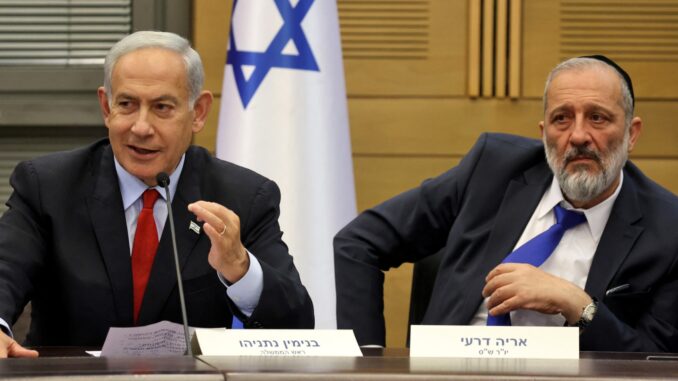
In a surprising turn of events, several lawmakers from Israeli Prime Minister Benjamin Netanyahu’s government have distanced themselves from the controversial ultra-Orthodox ‘Daycare Bill.’ This bill, aimed at increasing funding for ultra-Orthodox childcare services, has sparked significant debate and backlash among various political factions and the public, highlighting tensions within Netanyahu’s coalition government.
Overview of the Daycare Bill
The ‘Daycare Bill’ was introduced as part of the Netanyahu administration’s broader agenda to secure support from ultra-Orthodox parties within his coalition. The legislation proposed substantial funding increases for daycare facilities catering to ultra-Orthodox families, which have seen a significant rise in birth rates and a growing demand for childcare services.
Supporters of the bill argue that it is a necessary step to accommodate the needs of ultra-Orthodox families, ensuring that they have access to affordable and quality childcare. However, critics have raised concerns about the implications of such funding on Israel’s secular educational system and the potential for increased segregation within the childcare sector.
Lawmakers Abandoning the Bill
Despite initial support for the legislation, recent developments have seen key members of the ruling coalition backing away from the bill. Lawmakers from various parties, including those within Netanyahu’s Likud party, have expressed concerns regarding the bill’s impact on national education standards and the equitable distribution of resources among different demographic groups.
Several lawmakers have voiced their frustrations over the lack of transparency in the bill’s provisions and the speed with which it was pushed through the legislative process. As discussions around the bill intensified, dissenting voices within the coalition began to grow louder, leading to fears that the legislation could further divide the government and alienate moderate constituents.
Political Implications
The fallout from the ‘Daycare Bill’ has significant implications for Netanyahu’s government, which relies on a fragile coalition composed of right-wing, ultra-Orthodox, and centrist parties. The abandonment of support for this contentious bill could signal deeper rifts within the coalition, jeopardizing future legislative initiatives and potentially undermining the stability of Netanyahu’s administration.
Political analysts suggest that the backlash against the bill reflects broader societal tensions in Israel, particularly concerning the relationship between secular and religious communities. The growing discontent among lawmakers indicates that the government may need to tread carefully when addressing issues related to ultra-Orthodox funding and services.
Public Response
The public reaction to the Daycare Bill has been mixed. Many ultra-Orthodox families support increased funding for childcare services, viewing it as essential for their community’s growth and development. Conversely, secular groups have mobilized to protest against the bill, arguing that it represents an unfair allocation of public funds that favors one demographic over others.
As the debate continues, civil society organizations have called for a more equitable approach to childcare funding that considers the needs of all Israeli families, regardless of their religious affiliation. This sentiment resonates with a significant portion of the population that seeks to promote unity and inclusivity in Israeli society.
Conclusion
The recent shift among lawmakers regarding the ultra-Orthodox ‘Daycare Bill’ underscores the complex dynamics within Netanyahu’s coalition government and the broader societal tensions in Israel. As key figures step back from the controversial legislation, the future of the bill remains uncertain. The situation serves as a reminder of the challenges faced by the Netanyahu administration in navigating the diverse needs and perspectives of the Israeli populace, particularly as it relates to funding and services for different communities. The coming weeks will be crucial as the government seeks to address these challenges while maintaining coalition unity and public support.