
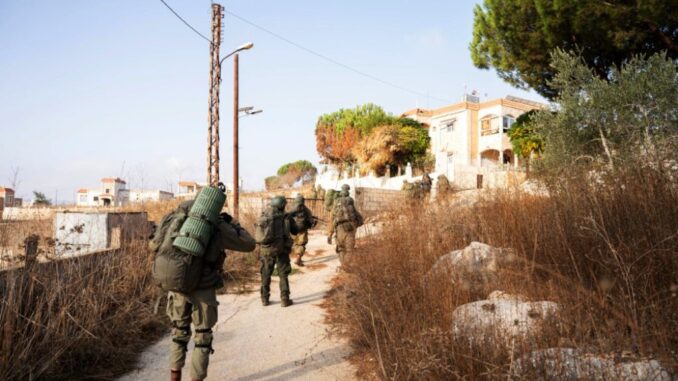
In a significant escalation of hostilities in the region, recent reports indicate that approximately 30% of villages in southern Lebanon have been severely impacted, described as “wiped out” following extensive bombardment by the Israel Defense Forces (IDF). This destructive military action has coincided with a barrage of rockets fired from Lebanon toward northern Israel, with local authorities confirming that around 70 rockets were launched in a single day.
Escalating Tensions
The situation along the Israel-Lebanon border has been increasingly tense, particularly following the ongoing conflict involving Israel and Hamas. The latest military actions have led to widespread destruction in southern Lebanese villages, displacing residents and creating a humanitarian crisis. Eyewitness accounts from the affected areas depict scenes of devastation, with homes, schools, and infrastructure reduced to rubble.
Residents who managed to flee reported chaotic conditions as airstrikes targeted various locations. “We heard the bombs falling all around us. It was terrifying,” said [Resident’s Name], a local villager who fled to a safer area. “There’s nothing left of my home; it’s all gone.”
Humanitarian Impact
The bombardment has raised significant concerns regarding the humanitarian situation in southern Lebanon. Reports indicate that thousands of people have been displaced, seeking refuge in makeshift shelters or moving further inland to escape the violence. Access to essential services, including clean water, food, and medical care, has been severely disrupted, exacerbating the plight of vulnerable communities.
Organizations such as the United Nations and various humanitarian NGOs are scrambling to respond to the urgent needs of those affected. “The scale of destruction is staggering, and the needs are immense,” stated [Spokesperson’s Name] from [Humanitarian Organization]. “We are calling for immediate access to deliver aid to those who are suffering.”
The Rocket Barrage
In addition to the airstrikes, the rocket fire from Lebanon represents a significant military escalation. The Israel Defense Forces confirmed that approximately 70 rockets were launched from southern Lebanon towards northern Israel, prompting widespread alarm and emergency alerts in affected areas. While many rockets were intercepted by the Iron Dome defense system, some projectiles did manage to hit populated areas, resulting in property damage and civilian injuries.
The Israeli government has condemned the rocket attacks, holding Hezbollah responsible for the escalation. “We will not tolerate attacks on our sovereignty,” stated [Official’s Name], a spokesperson for the Israeli government. “We will take all necessary measures to ensure the safety of our citizens.”
Regional and International Reactions
The escalating violence has prompted reactions from various regional and international actors. Countries in the region have called for restraint and de-escalation, emphasizing the need for dialogue to resolve ongoing tensions. The United Nations has expressed deep concern over the humanitarian impact of the conflict and the potential for further escalation.
In light of these developments, there are growing fears that the situation could spiral out of control, drawing in additional parties and exacerbating an already volatile environment. Diplomatic efforts are underway to address the crisis and encourage a return to negotiations aimed at achieving a lasting peace.
Conclusion
As the situation in southern Lebanon deteriorates, the humanitarian crisis deepens, and the threat of further military confrontation looms. With significant portions of villages affected and thousands displaced, the need for immediate international attention and support is critical. The recent rocket fire into northern Israel underscores the fragility of security in the region, highlighting the urgent need for a comprehensive resolution to the ongoing conflicts that have plagued both Lebanon and Israel for decades. As the world watches, the hope for peace remains tenuous, overshadowed by the specter of violence and suffering.