
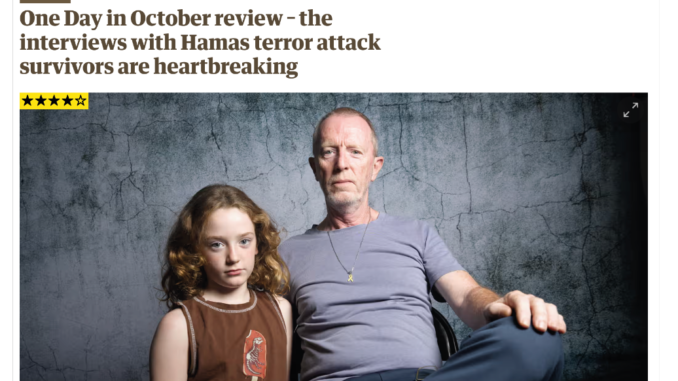
In a recent controversy, The Guardian has come under fire for deleting an online review that critiqued the media’s portrayal of Hamas, sparking discussions about freedom of expression and the responsibilities of media outlets in reporting sensitive geopolitical issues. The deleted review, authored by journalist and author Murtaza Hussain, highlighted what he described as the “demonization” of Hamas in the coverage of the Israeli-Palestinian conflict.
The Deleted Review
Murtaza Hussain’s review was part of a broader commentary on how Western media tends to characterize Hamas, particularly in light of the recent escalation of violence in the region. In the review, Hussain argued that the media’s framing often strips the organization of its complex historical and political context, reducing it to a mere symbol of terrorism. This, he suggested, contributes to a one-dimensional narrative that overlooks the underlying factors of the conflict.
Hussain expressed concern that such portrayals could inhibit meaningful discourse about the Palestinian plight and the socio-political dynamics at play. He urged for a more nuanced understanding that considers the historical grievances and realities faced by those in Gaza, rather than simply labeling Hamas as a terrorist organization without context.
Media Reaction and Backlash
The deletion of Hussain’s review ignited a backlash among journalists and media critics who viewed the action as an infringement on free speech and an example of censorship. Critics argued that deleting content that engages critically with dominant narratives undermines the principles of journalism, particularly the importance of fostering open dialogue around complex issues.
Supporters of the deletion, on the other hand, contended that the review perpetuated dangerous rhetoric at a time when tensions are extremely high. They argued that Hamas’ designation as a terrorist organization by several countries, including the United States and the European Union, reflects its violent actions and ideology, which should not be downplayed.
The Role of Media in Conflict Coverage
This incident raises broader questions about the role of media in conflict coverage and the ethical responsibilities of journalists and publications. The Israeli-Palestinian conflict is a deeply polarizing issue, and how media outlets choose to frame their reporting can significantly impact public perception and discourse.
Critics of mainstream media often highlight the need for balanced reporting that reflects diverse perspectives, particularly those of marginalized communities. The deletion of Hussain’s review has prompted discussions about the need for greater transparency and accountability in how media outlets navigate sensitive subjects.
Calls for Accountability
Following the deletion, various advocacy groups and media watchdogs have called for The Guardian to clarify its policies regarding content moderation and censorship. They emphasize the importance of maintaining a platform where diverse viewpoints can be expressed, particularly on contentious issues.
In a statement, The Guardian reaffirmed its commitment to journalistic integrity and explained that content moderation decisions are made with consideration for the potential impact of published material. However, many remain skeptical, calling for clearer guidelines that protect against arbitrary censorship.
Conclusion
The deletion of Murtaza Hussain’s review by The Guardian has sparked a significant debate about media representation, censorship, and the complexities of the Israeli-Palestinian conflict. As discussions around freedom of speech and responsible journalism continue, this incident serves as a reminder of the delicate balance media outlets must strike in covering sensitive geopolitical issues. The need for nuanced dialogue and understanding remains paramount, as societies grapple with the realities of conflict and the narratives that shape public perception.