
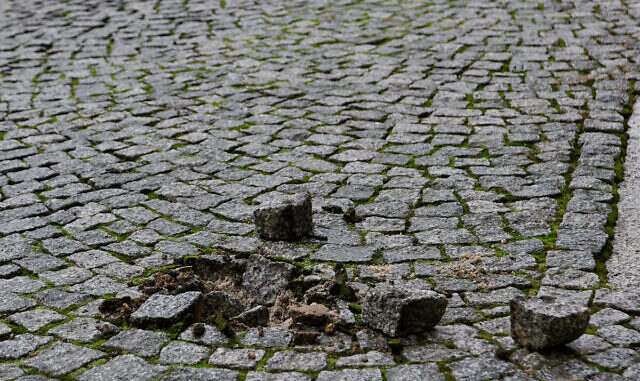
On October 7, 2023, a wave of outrage swept through Germany as reports emerged of desecration targeting Stolpersteine, or “stumbling stones,” a poignant memorial dedicated to the victims of the Holocaust. These small brass plaques, embedded into the sidewalks of cities across Germany and Europe, commemorate individuals who were persecuted and murdered by the Nazi regime. The act of vandalism has ignited discussions about historical memory, respect for victims, and the ongoing fight against anti-Semitism.
What Are Stolpersteine?
Stolpersteine were conceived by German artist Gunter Demnig in the early 1990s as a means to remember the victims of the Holocaust. Each stone is inscribed with the name, birth date, and fate of a victim, serving as a personal reminder of the individuals who suffered under the Nazi regime. More than 75,000 Stolpersteine have been laid in over 1,200 cities, making it the largest decentralized memorial in the world.
The term “stumbling stones” reflects the concept that these memorials invite passersby to “stumble” upon the memory of those who were lost, encouraging reflection and remembrance in daily life. Each stone stands as a silent witness to the atrocities of the past, emphasizing the importance of acknowledging history to prevent future atrocities.
The Vandalism Incident
On the morning of October 7, residents of several cities across Germany discovered that many Stolpersteine had been desecrated. Reports indicate that stones were removed, damaged, or covered in graffiti. The act was met with swift condemnation from various sectors of society, including local governments, Jewish organizations, and civil rights groups.
The vandalism has been characterized as not just an attack on physical objects but an assault on collective memory and dignity. Authorities are currently investigating the incidents, with calls for increased security measures to protect these significant memorials.
Community Response
In the wake of the desecration, community members rallied to restore the Stolpersteine and reaffirm their commitment to remembering the victims. Many took to social media to express their outrage and solidarity, emphasizing that acts of hatred would not be tolerated. Local memorial services were organized, highlighting the importance of remembering history and the necessity of combating anti-Semitism.
Prominent figures in German politics have also spoken out, labeling the desecration as an attack on democracy and a reminder of the persistent threats posed by hatred and intolerance. Politicians from various parties have urged citizens to remain vigilant and active in the fight against anti-Semitism and discrimination.
The Importance of Remembrance
The desecration of the Stolpersteine has sparked a renewed discussion on the importance of memorialization and historical awareness. The stones serve as a reminder of the atrocities committed during the Holocaust and the lives that were cut short. In a world where history is sometimes forgotten or misrepresented, the Stolpersteine play a crucial role in ensuring that the stories of victims are not lost.
Moreover, the incident underscores the ongoing relevance of Holocaust education and awareness. As anti-Semitism continues to rise in various parts of the world, it is essential to remember the lessons of history. Education about the Holocaust is vital in fostering empathy, understanding, and respect for all individuals, regardless of their background.
Looking Forward
As Germany grapples with the implications of the recent desecration, the focus must remain on healing and restoration. While the physical stones can be repaired, the emotional and historical significance of these memorials cannot be overstated. Communities must come together to safeguard the memory of Holocaust victims and promote dialogue around tolerance and acceptance.
Efforts to raise awareness about the Stolpersteine and the importance of remembering the Holocaust are more crucial than ever. Through education, activism, and community engagement, the message must be clear: history must not repeat itself. The desecration of the Stolpersteine serves as a stark reminder that the fight against anti-Semitism and hatred continues, and that remembrance is a vital part of this struggle.
In conclusion, the vandalism of Stolpersteine on October 7 is a significant event that highlights the ongoing challenges of historical memory and the fight against intolerance. As communities come together to restore these memorials, they reaffirm their commitment to remembering the past and ensuring that such atrocities are never forgotten. The resilience of communities in the face of hate demonstrates that while stones may be desecrated, the spirit of remembrance and respect for those lost will continue to prevail.